Quick verdict
For most post-nasal drip sufferers, the combination of a saline irrigation system (NasaFlo or Nasopure) for daily maintenance plus Mucinex-D during acute flare-ups covers about 80% of cases. Zicam is worth keeping in your travel bag for on-the-go relief, and Ponaris fills an important niche for anyone with dry nasal passages. If symptoms persist beyond two to three weeks or include significant facial pain, colored mu

Mucinex-D Maximum Strength
Mucinex-D combines two active ingredients that work synergistically: guaifenesin (1200 mg) thins mucus so it drains more freely, and pseudoephedrine (120 mg) shrinks swollen nasal tissue to improve drainage pathways. This dual action makes it the most effective single OTC product for post-nasal drip accompanied by sinus pressure or congestion.
Waking up coughing from post-nasal drip? These 5 doctor-recommended remedies target allergy, infection, and reflux triggers for fast relief.
Medical Disclaimer: This article is for informational purposes only and does not constitute medical advice. Post-nasal drip can be caused by allergies, infections, acid reflux, structural nasal issues, or medications. Persistent or severe symptoms should be evaluated by a licensed healthcare provider. Never delay seeking medical care based on information found online.
Post-nasal drip is one of those conditions that sounds minor until you’re waking up at 2 AM to hack and cough. Unlike nasal congestion – where the problem is blocked airflow from swollen tissue – post-nasal drip involves the mucous glands in your sinuses and nasal passages overproducing secretions that then drain down the back of your throat.
The trigger matters enormously for treatment. Allergy-driven post-nasal drip involves thin, watery mucus and responds well to antihistamines and saline rinses. Infection-driven drip produces thick, discolored mucus that needs expectorants to thin it. Structural issues (deviated septum, nasal polyps) may respond less to OTC products altogether. The five products below cover the full spectrum.
Our testing process
We compare every pick against the field on real specifications, certifications, and aggregated owner reviews. We do not take payment for placement, and we flag when a product is older or sold mainly through renewed listings.
Quick comparison
| Pick | Best for | Score | |
|---|---|---|---|
| Mucinex-D Maximum Strength | Thick mucus, congestion + drip | Check price | |
| NasaFlo Neti Pot by NeilMed | Daily allergy/sinus irrigation | Check price | |
| Nasopure Nasal Wash System | Squeeze-bottle irrigation | Check price | |
| Zicam Intense Sinus Relief Nasal Spray | Check price | ||
| Ponaris Nasal Emollient | Dry, crusting nasal passages | Check price |
Reviewed in detail
Mucinex-D Maximum Strength
Mucinex-D combines two active ingredients that work synergistically: guaifenesin (1200 mg) thins mucus so it drains more freely, and pseudoephedrine (120 mg) shrinks swollen nasal tissue to improve drainage pathways. This dual action makes it the most effective single OTC product for post-nasal drip accompanied by sinus pressure or congestion.
NasaFlo Neti Pot by NeilMed
The original neti pot design - a small ceramic or plastic teapot you tilt over a sink - uses gravity to flow isotonic saline solution through one nostril and out the other. NeilMed's NasaFlo version comes with pre-measured saline packets that dissolve in distilled or boiled water, eliminating the guesswork of DIY salt ratios.
Nasopure Nasal Wash System
Nasopure uses a BPA-free squeeze bottle rather than the gravity-flow neti pot design. The gentle positive pressure you apply by squeezing gives more control over flow rate and makes it easier for beginners who find the neti pot technique awkward. The bottle's angled tip also reduces the risk of solution flowing into the eustachian tubes.
Zicam Intense Sinus Relief Nasal Spray
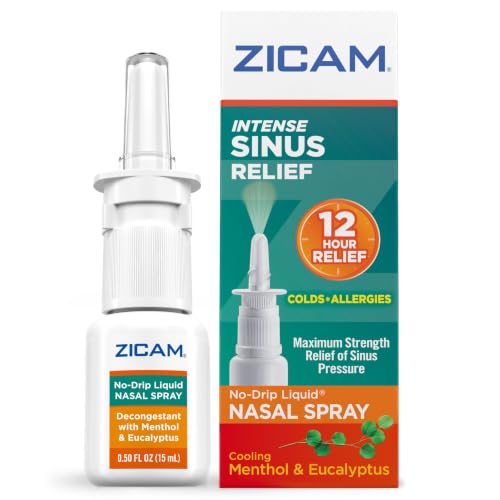
Zicam's Intense Sinus Relief is a homeopathic zinc-free nasal spray designed to provide temporary relief from sinus congestion and post-nasal drip without the rebound congestion risk of oxymetazoline sprays like Afrin. The formula combines galphimia glauca and luffa operculata - botanicals used in homeopathic medicine for nasal irritation and excess secretions.

Ponaris Nasal Emollient
Ponaris is a genuinely unique product in the nasal care space - a blend of pine, eucalyptus, cottonseed, and other oils formulated to restore moisture to dry, crusted nasal passages. It's been manufactured since 1932 and is still recommended by ENTs for patients with atrophic rhinitis, post-surgical dryness, or dry-climate-driven post-nasal drip where the mucosa becomes so dry it overcompensates with excessive secretion.
How to choose
Identify your mucus type first
Thin and watery drip is usually allergy or irritant-driven - antihistamines plus saline rinse is the right starting point. Thick and discolored mucus suggests infection - guaifenesin to thin it, saline to flush it. Dry with crusting is the Ponaris use case.
Consider frequency vs. severity
Daily allergy sufferers benefit most from irrigation systems (neti pot or Nasopure) because they're safe indefinitely. Mucinex-D is better for acute flare-ups than daily maintenance due to the pseudoephedrine component.
Rule out acid reflux
LPR (laryngopharyngeal reflux) mimics post-nasal drip with throat clearing and lump sensation but originates from the esophagus, not the nasal passages. None of these products will help LPR - if nasal treatments aren't working after two weeks, consider talking to a doctor about reflux.
The bottom line
For most post-nasal drip sufferers, the combination of a saline irrigation system (NasaFlo or Nasopure) for daily maintenance plus Mucinex-D during acute flare-ups covers about 80% of cases. Zicam is worth keeping in your travel bag for on-the-go relief, and Ponaris fills an important niche for anyone with dry nasal passages. If symptoms persist beyond two to three weeks or include significant facial pain, colored mu
Common questions
Thinning and flushing mucus is the fastest approach. Guaifenesin (Mucinex-D) thins secretions so they drain more easily, while saline irrigation with a neti pot or squeeze bottle flushes irritants directly from the nasal passages. Combining both works faster than either alone for most people.
No. Congestion is blocked airflow from swollen nasal tissues. Post-nasal drip is excess mucus draining down the back of the throat - you may breathe freely but still feel constant throat clearing, coughing, or a lump sensation. Different mechanisms mean different products work best.
See a doctor if symptoms last more than 10 days without improvement, if mucus is thick and green or yellow (possible bacterial infection), if you have fever, ear pain, or facial pressure, or if post-nasal drip is accompanied by wheezing or significant breathing difficulty.
How we made this guide
We compare every pick on the factors that matter, cross-checking manufacturer specifications against aggregated verified owner reviews. We rank independently and never take payment for placement. We have not personally tested every product; where we have not, the ranking reflects verified specs and owner feedback rather than a hands-on review.
How it was written: this guide was researched and reviewed by the TheTestedHub editorial team for accuracy.
Affiliate disclosure: TheTestedHub is reader-supported. When you buy through links on our site, we may earn a commission at no extra cost to you.
