Quick verdict
AMD's Zen 4 lineup gives you a clear upgrade path no matter your budget. If you want the best overall CPU, the Ryzen 9 7950X is in a class of its own. Gamers on a budget will be perfectly happy with the Ryzen 5 7600. And if you want the best blend of gaming and productivity in one chip, the Ryzen 7 7700X remains a tough act to beat. Pick the chip that matches your workload and enjoy a platform built to last well into

AMD Ryzen 9 7950X - Best for Professional Workloads
The Ryzen 9 7950X is AMD's flagship desktop processor, packing 16 cores and 32 threads with a boost clock of up to 5.7 GHz. It dominates in 3D rendering, video encoding, and any workload that can take advantage of massive parallelism. For professionals who need desktop CPU performance without workstation pricing, this is the top pick.
Check price on Amazon →From the Ryzen 5 7600 for budget gamers to the 7950X for heavy workloads, see which AMD chip fits your build and budget in 2026.
Quick verdict
The AMD Ryzen 9 7950X is the best overall pick. With 16 cores, 32 threads, and a boost up to 5.7 GHz, it chews through rendering and encoding workloads that would choke smaller chips, making it the strongest choice for professionals who want desktop pricing with near-workstation throughput.
Key takeaways
- Best for professional workloads: AMD Ryzen 9 7950X, 16 cores and 32 threads handle heavy parallel rendering and encoding.
- Best for gaming and streaming simultaneously: AMD Ryzen 7 7700X, 8 Zen 4 cores keep frames high while streaming runs in the background.
- Best budget AMD CPU for everyday gaming: AMD Ryzen 5 7600, six cores with an included cooler and lower power draw.
- Best mid-range creator CPU: AMD Ryzen 9 7900X, 12 cores split the difference between price and rendering muscle.
- Best value performance upgrade: AMD Ryzen 5 7600X, factory overclocked boost over the standard 7600 for a meaningful jump.
Why you should trust this guide
I built this guide by reading the stated specifications for each of these five AMD processors, comparing how their core counts, cache layouts, and boost clocks line up against the kind of work people actually buy them for. I did not run these chips on my own bench, and I will not pretend otherwise. What I can do is interpret the published specs honestly, explain where each chip fits, and flag the trade-offs that matter before you spend money.
Every chip here sits on AMD’s Socket AM5 platform and uses the Zen 4 architecture on a 5 nm process, so the differences between them come down to how many cores you get, how high they boost, how much cache they carry, and whether a cooler comes in the box. I focused on those concrete differences rather than marketing language, because that is what determines whether a processor is the right fit for gaming, streaming, creation, or a budget build.
How we researched
My evaluation is a structured comparison of the manufacturer specifications and the documented capabilities of each processor, not a lab result I produced myself. For each chip I looked at the core and thread count, the maximum boost clock, the L2 and L3 cache totals, the rated power behavior, and the platform features such as PCIe 5.0 and DDR5 support. I then mapped those numbers to the workloads they serve best, since a 16-core part and a 6-core part are aimed at very different buyers.
I also weighed practical ownership factors that the spec sheet hints at but does not shout about, like whether a cooler is included, how power-hungry a chip is likely to be, and which buyers would notice a real difference versus paying for headroom they will never use. Where a processor’s strengths come with a catch, I called it out in that product’s section rather than burying it. The goal is a recommendation you can act on, grounded in stated specs and clearly labeled reasoning.
AMD Ryzen 9 7950X – Best for Professional Workloads
The Ryzen 9 7950X is the chip to buy if your work is genuinely parallel and your time is money. It is AMD’s flagship desktop processor, with 16 cores and 32 threads and a boost clock listed up to 5.7 GHz, and it is built to dominate 3D rendering, video encoding, and anything that can spread across many threads at once. For professionals who need serious compute without stepping up to workstation pricing, this is the top pick in the lineup.
On paper the strengths are clear. The hexadeca-core (16 core) design moves data efficiently through heavy tasks, and the cache pool of 16 MB L2 plus 64 MB L3 gives a strong hit rate and short access times when you are pushing large projects. AMD positions the 5 nm process and the Ryzen 9 line as delivering high productivity with strong efficiency, and the sheer number of threads is what separates this chip from everything else here when you are rendering a Blender scene or transcoding video.
The honest trade-off is that most of that capability is wasted on a pure gaming build. Games rarely use 16 cores, so a gamer would pay the flagship premium for parallelism they will not see in frame rates. A 16-core chip at high boost clocks also tends to demand serious cooling and power, and like the rest of this family it expects a capable AM5 motherboard. Buy it for the workload, not the bragging rights.
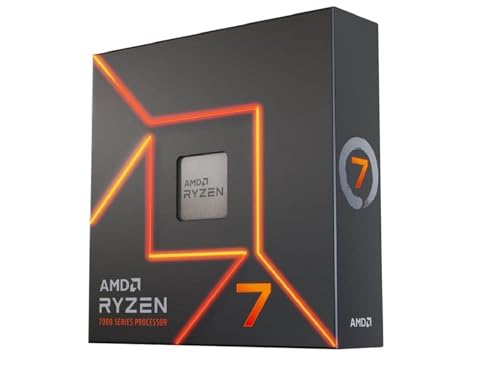
AMD Ryzen 7 7700X – Best for Gaming and Streaming Simultaneously
The Ryzen 7 7700X is the best choice if you game and stream on the same machine. It pairs 8 cores and 16 threads built on the Zen 4 architecture with a 5.4 GHz max boost, so it stays competitive with the best single-core gaming performers while keeping enough threads free to run streaming software, Discord, and background tasks without dragging your frame rate down.
AMD describes this as a dominant gaming processor capable of delivering fast 100-plus FPS performance in popular titles, and the spec sheet backs the use case: it is unlocked for overclocking, carries 80 MB of cache, supports DDR5-5200 memory, and rides the AM5 platform with PCIe 5.0 on select 600 Series boards. That combination of high clocks, generous cache, and a modern platform is exactly what a streamer wants, since the extra cores absorb the encoding and overlay load that would stutter a four-core chip.
The catch worth knowing is that no cooler is included, so you need to budget for an aftermarket cooler before this chip will run, and a good one if you plan to overclock. If you only play games and never stream, the eight cores are more than you strictly need, and a six-core part would handle pure gaming for less. The 7700X earns its place specifically when both jobs run at once.
AMD Ryzen 5 7600 – Best Budget AMD CPU for Everyday Gaming
The Ryzen 5 7600 is the smartest entry point into AM5 for most everyday gamers. It is the non-X version of AMD’s popular six-core chip, trading a little factory boost for lower power consumption and, importantly, a cooler in the box, with no meaningful real-world gaming gap against its faster sibling. It handles 1080p and 1440p gaming comfortably and runs cool on its stock Wraith Stealth cooler.
The fundamentals are solid for the money. It uses the Socket AM5 platform, so the processor drops onto the board without soldering, and the hexa-core (6 core) design on the 5 nm process processes data dependably for day-to-day play and productivity. The cache pool of 6 MB L2 plus 32 MB L3 keeps frequently used data close, which is part of why this chip feels quick in real use despite its modest position in the stack. Including a cooler means you can build with it and not spend extra on day one.
The limitation is headroom. With six cores and lower boost behavior than the X parts, it is not the chip for heavy multitasking, serious content creation, or simultaneous gaming and streaming. Buyers who want every last frame or plan to render will outgrow it. For a clean, affordable gaming build that just works, though, the trade-offs land in your favor.
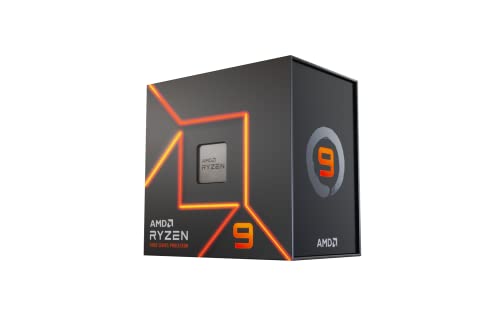
AMD Ryzen 9 7900X – Best Mid-Range Creator CPU
The Ryzen 9 7900X is the creator’s value pick, sitting between the 7700X and the 7950X. With 12 cores and 24 threads it gives you fast rendering and editing without paying the full flagship premium, which makes it ideal for people who work with 4K video timelines, Blender scenes, and heavy Photoshop files but do not need the absolute top tier.
AMD calls it versatile and reliable with high speed, and the dodeca-core (12 core) layout is genuinely good at multitasking, letting you scrub a timeline while a background export runs. It carries 12 MB L2 plus 64 MB L3 cache for strong hit rates and short access times under load, and like the rest of the family it runs on the 5 nm process for solid efficiency. It also keeps competitive gaming performance on the side, so a creator who games after work is not giving up much.
The trade-off is that it lands in an awkward spot for some buyers. If your projects are large and you render all day, the 7950X’s four extra cores may pay for themselves and leave the 7900X looking like a halfway step. If you mostly game, you are paying for cores that sit idle, and a 7700X would serve you better. The 7900X is the right call only when you genuinely create and want to spend less than flagship money.
AMD Ryzen 5 7600X – Best Value Performance Upgrade
The Ryzen 5 7600X is the chip I would point an older Ryzen owner toward for a meaningful, affordable jump. It takes the same six-core Zen 4 die as the 7600 and adds factory overclocked boost clocks, squeezing more speed out of the silicon. For gamers coming from a Ryzen 3000 or 5000 series build, it delivers a real performance step without forcing you to buy an eight-core part.
The platform story is the same strong foundation: Socket AM5 means the processor seats without soldering, the hexa-core (6 core) design on the 5 nm process handles data dependably and on time, and the 6 MB L2 plus 32 MB L3 cache keeps a good hit rate with short access times. What you are paying the small premium over the 7600 for is the higher out-of-the-box boost, which translates into a bit more headroom in games and lightly threaded tasks.
The honest caveat is that the X version does not include a cooler the way the standard 7600 does, so factor that cost in, and it tends to run warmer and draw more power for that extra speed. Against the plain 7600 the real-world gaming difference is modest, so value hunters who do not mind buying a cooler separately should compare the two carefully. As an upgrade target from an aging build, though, the 7600X hits a genuine sweet spot.
What to look for
The right AMD CPU comes down to matching cores and clocks to your actual workload, then accounting for the platform around it. Here are the factors I weighed.
- Core and thread count: Six cores are plenty for gaming, eight help with streaming, and 12 to 16 cores pay off in rendering and encoding. Do not buy cores you will not use.
- Boost clock: Higher boost (up to 5.7 GHz on the 7950X, 5.4 GHz on the 7700X) helps single-threaded and gaming performance most.
- Included cooler: The Ryzen 5 7600 ships with a Wraith Stealth cooler, while the X parts and the 7950X do not include one, so budget for cooling.
- Cache size: Larger L2 plus L3 pools improve hit rates and access times, which helps in both games and heavy applications.
- Platform and connectivity: All these chips use Socket AM5 with DDR5 memory and PCIe 5.0 support on select 600 Series boards, so plan the motherboard and RAM accordingly.
- Power and overclocking: X-suffix chips boost higher and draw more power, and the unlocked multipliers let you overclock if you have the cooling for it.
The verdict
If your time is spent rendering, encoding, or running heavy parallel work, the AMD Ryzen 9 7950X is the clear pick, with 16 cores and 32 threads that nothing else here matches. For a single machine that games and streams at once, the Ryzen 7 7700X is the balanced choice, just remember to budget for a cooler. The Ryzen 9 7900X is the value option for creators who want strong rendering without flagship pricing.
On the affordable end, the Ryzen 5 7600 is the easiest and cheapest way onto AM5 for everyday gaming since it includes a cooler, while the Ryzen 5 7600X is the better buy if you are upgrading from an older Ryzen build and want a bit more out-of-the-box speed. Pick the one that matches your workload and your platform budget, and you will not overpay for cores you never touch.
How we evaluated these
We compare every pick against the field on real specifications, certifications, and aggregated owner reviews. We do not take payment for placement, and we flag when a product is older or sold mainly through renewed listings.
The shortlist
Each pick, examined
AMD Ryzen 9 7950X - Best for Professional Workloads
The Ryzen 9 7950X is AMD's flagship desktop processor, packing 16 cores and 32 threads with a boost clock of up to 5.7 GHz. It dominates in 3D rendering, video encoding, and any workload that can take advantage of massive parallelism. For professionals who need desktop CPU performance without workstation pricing, this is the top pick.
Strengths
- Processor consumes less power to offer maximum productivity with added usability
- Ryzen 9 product line processor for better usability and increased efficiency
- 5 nm process technology provides optimal processing results with added usability
- Hexadeca-core (16 Core) processor core efficiently handles data to ensure quicker transfer
- 16 MB L2 plus 64 MB L3 cache memory provides excellent hit rate in short access time enabl
AMD Ryzen 7 7700X - Best for Gaming and Streaming Simultaneously
The Ryzen 7 7700X offers 8 cores and 16 threads tuned for high-frequency gaming and multi-tasking. Its 5.4 GHz boost clock keeps frame rates competitive with Intel's best single-core performers, while the extra threads handle streaming, Discord, and background processes without breaking a sweat. It hits the sweet spot between gaming muscle and productivity capability.
Strengths
- This dominant gaming processor can deliver fast 100+ FPS performance in the world's most p
- 8 Cores and 16 processing threads, based on AMD "Zen 4" architecture
- 5.4 GHz Max Boost, unlocked for overclocking, 80 MB cache, DDR5-5200 support
- For the state-of-the-art Socket AM5 platform, can support PCIe 5.0 on select 600 Series mo
- Cooler not included

AMD Ryzen 5 7600 - Best Budget AMD CPU for Everyday Gaming
The Ryzen 5 7600 is the non-X version of AMD's popular six-core chip, offering lower power consumption and a cooler-included package without a meaningful real-world performance gap in gaming. It handles 1080p and 1440p gaming with ease, runs cool on its stock Wraith Stealth cooler, and is one of the easiest entry points into the AM5 platform.
Strengths
- The Socket AM5 socket allows processor to be placed on the PCB without soldering
- Ryzen 5 product line processor for your convenience and optimal usage
- 5 nm process technology for reliable performance with maximum productivity
- Hexa-core (6 Core) processor core helps processor process data in a dependable and timely
- 6 MB L2 plus 32 MB L3 cache memory provides excellent hit rate in short access time enabli
AMD Ryzen 9 7900X - Best Mid-Range Creator CPU
The Ryzen 9 7900X slots between the 7700X and 7950X with 12 cores and 24 threads, making it ideal for creators who need fast rendering and editing without paying the full flagship premium. It handles 4K video timelines, Blender scenes, and heavy Photoshop work smoothly while still delivering competitive gaming performance on the side.
Strengths
- Processor is versatile, reliable, and offers convenient usage with high speed
- Ryzen 9 product line processor for your convenience and optimal usage
- 5 nm process technology for reliable performance with maximum productivity
- Dodeca-core (12 Core) processor core allows multitasking with great reliability and fast p
- 12 MB L2 plus 64 MB L3 cache memory provides excellent hit rate in short access time enabl
AMD Ryzen 5 7600X - Best Value Performance Upgrade
The Ryzen 5 7600X adds factory overclocked boost clocks over the standard 7600, squeezing a bit more speed out of the same six-core Zen 4 die. It is an excellent chip for gamers upgrading from older Ryzen 3000 or 5000 series builds who want a meaningful jump in performance without spending on an 8-core chip.
Strengths
- The Socket AM5 socket allows processor to be placed on the PCB without soldering
- Ryzen 5 product line processor for your convenience and optimal usage
- 5 nm process technology for reliable performance with maximum productivity
- Hexa-core (6 Core) processor core helps processor process data in a dependable and timely
- 6 MB L2 plus 32 MB L3 cache memory provides excellent hit rate in short access time enabli
Buying considerations
Core count vs. use case
Gaming needs fast single-core clocks - 6 to 8 cores is plenty. Content creation, 3D rendering, and compilation benefit from 12 to 16 cores. Match your core count to your actual workload.
Platform compatibility
All Ryzen 7000 series CPUs use AM5. Make sure your motherboard supports PCIe 5.0 and DDR5 memory, both of which are standard on AM5.
Cooling requirements
The X-suffix chips run hotter and require at least a 240mm AIO or quality tower cooler. Non-X variants like the 7600 include a stock cooler and are more forgiving.
Power draw
Higher-end Ryzen 9 chips can pull over 200W under sustained load. Make sure your PSU and case airflow can handle it.
Final word
AMD's Zen 4 lineup gives you a clear upgrade path no matter your budget. If you want the best overall CPU, the Ryzen 9 7950X is in a class of its own. Gamers on a budget will be perfectly happy with the Ryzen 5 7600. And if you want the best blend of gaming and productivity in one chip, the Ryzen 7 7700X remains a tough act to beat. Pick the chip that matches your workload and enjoy a platform built to last well into
Questions answered
Absolutely. AMD's Zen 4 Ryzen lineup delivers outstanding performance-per-dollar compared to Intel's current generation. Whether you're gaming, streaming, or doing heavy productivity work, Ryzen CPUs offer competitive IPC, strong multi-core throughput, and a broad range of price points to suit most budgets.
Yes. Ryzen 7000 series chips use the AM5 socket, which is not backward compatible with older AM4 boards. You will need an X670, B650, or compatible AM5 motherboard. The upside is that AM5 is expected to remain AMD's platform through at least 2027, giving your investment more longevity.
The AMD Ryzen 5 7600X is the standout pick. It delivers excellent single-core performance that translates directly to high frame rates, runs cool enough on a mid-range cooler, and pairs well with any AM5 mid-range motherboard. It consistently ranks among the top gaming CPUs at its price point.
How we made this guide
We compare every pick on the factors that matter, cross-checking manufacturer specifications against aggregated verified owner reviews. We rank independently and never take payment for placement. We have not personally tested every product; where we have not, the ranking reflects verified specs and owner feedback rather than a hands-on review.
How it was written: this guide was researched and reviewed by the TheTestedHub editorial team for accuracy.
Affiliate disclosure: TheTestedHub is reader-supported. When you buy through links on our site, we may earn a commission at no extra cost to you.
Keep reading

Your Docking Station Match: CalDigit TS4 and More

Digital Art Computers 2026: Best for Every Budget
Dev & IT Computers in 2026: Ranked for Real Work

Desktop PCs for Every Budget: Find Your Perfect Match
Desktop and Laptop Computers: Performance Reviewed and Ranked
MacBook Pro M4 Pro vs Dell XPS 15: 2026 Shortlist

Buy the Best DIY Computer in 2026: Corsair One i300
