Quick verdict
Neosporin remains the best choice when broad-spectrum antibiotic coverage is needed, while Aquaphor is the top recommendation for supporting moist wound healing without antibiotic exposure. For sensitive skin that reacts to neomycin, Polysporin is the direct, effective alternative. And for clean, low-risk cuts, plain Vaseline petroleum jelly is backed by solid clinical evidence and costs almost nothing. The best cut
Neosporin Original Antibiotic Ointment - Best Triple-Antibiotic Protection for I
Neosporin is the most recognized name in over-the-counter wound care for a reason: its triple-antibiotic combination of neomycin, polymyxin B, and bacitracin covers a broad spectrum of bacteria that commonly infect minor cuts and scrapes. Applying a thin layer to a cleaned wound creates an antimicrobial barrier that fights infection while keeping the wound surface moist enough to support faster healing. It's the standard recommendation for cuts that occurred in contaminated environments or that show early redness.
Check price on Amazon →Neosporin leads for infection prevention; Aquaphor excels for moist healing without antibiotics. Plus Polysporin for sensitive skin and budget-friendly Vaseline.
Quick verdict
Neosporin Original Antibiotic Ointment is the single best pick for most people because its triple-antibiotic formula provides the broadest coverage against common wound bacteria, making it the most reliable infection prevention for everyday cuts and scrapes.
Key takeaways
- Best for Triple-Antibiotic Protection: Neosporin Original Antibiotic Ointment, covers a broad spectrum of bacteria with neomycin, polymyxin B, and bacitracin.
- Best for Moist Wound Healing: Aquaphor Healing Ointment, creates an occlusive barrier that locks in moisture to accelerate tissue repair without antibiotics.
- Best for Penicillin-Allergic Users: Bacitracin Zinc Ointment, targets gram-positive bacteria safely without neomycin or beta-lactam-related ingredients.
- Best for Neomycin-Sensitive Skin: Polysporin First Aid Antibiotic, omits neomycin while still covering gram-positive and gram-negative bacteria.
- Best for Keeping Cuts Moist Without Active Antibiotics: Vaseline Pure Petroleum Jelly, provides a pure petrolatum barrier with zero allergy risk for clean, low-risk wounds.
Why you should trust this guide
I have spent years researching wound care products for a living. My approach relies on analyzing the published medical literature on wound healing, reviewing the manufacturer’s stated formulations and intended uses, and synthesizing thousands of owner experiences shared across verified retail platforms. I do not rely on marketing claims alone. I cross-reference each product’s ingredient list against dermatological consensus on infection prevention, allergic contact dermatitis rates, and moist wound healing principles.
This guide focuses on five products that represent the most common and effective approaches to minor wound care: triple-antibiotic protection, single-antibiotic options for sensitive populations, antibiotic-free moisture barriers, and pure petrolatum. I selected these specific products because they are widely available, have long track records of safe use, and cover the full spectrum of user needs from robust infection prevention to hypoallergenic care. Every recommendation here is grounded in the product’s stated features and the known behavior of its active ingredients, not in anecdotal claims or paid endorsements.
How we researched
To evaluate these cut ointments, I established a set of objective criteria that matter most for healing minor wounds and scrapes. The primary factors were infection prevention efficacy, which I assessed by examining the spectrum of bacterial coverage each antibiotic formula provides. I also weighed the moisture retention capability of each product, since moist wound healing is proven to speed re-epithelialization and reduce scarring. Allergenicity was another critical factor, as neomycin and other components can cause contact dermatitis in a meaningful portion of users. I considered the product’s intended use case, such as whether it is designed for clean wounds versus wounds at higher risk of infection.
I then compared each product against these criteria using the manufacturer’s stated ingredient lists and mechanisms of action. For antibiotic ointments, I evaluated the specific bacteria each combination targets and cross-referenced that with common skin flora. For barrier ointments, I looked at the occlusivity of the base formula and the presence of any additional moisturizing agents. I also reviewed available safety data, including known rates of allergic reactions for each active ingredient. Finally, I considered practical factors like ease of application and the product’s suitability for children or adults with allergies. No product was favored simply because of brand recognition; each earned its place based on how well its formula matches a specific user need.
Neosporin Original Antibiotic Ointment
Neosporin is the most recognized name in over-the-counter wound care for a reason. Its triple-antibiotic combination of neomycin, polymyxin B, and bacitracin covers a broad spectrum of bacteria that commonly infect minor cuts and scrapes. Applying a thin layer to a cleaned wound creates an antimicrobial barrier that fights infection while keeping the wound surface moist enough to support faster healing. This three-pronged approach means that even if one antibiotic is less effective against a particular strain, the other two continue working, reducing the chance of a resistant infection taking hold.
The formula is designed for everyday use on minor wounds like paper cuts, scrapes, and small burns. It comes in a standard ointment tube that allows precise application without wasting product. Many users appreciate that a single tube lasts through multiple minor injuries. The ointment base is thick enough to stay in place on the wound but not so greasy that it slides off easily. For most households, this is the go-to option because it offers the highest level of infection protection available without a prescription.
One honest limitation of Neosporin is that the neomycin component causes allergic contact dermatitis in a meaningful portion of the population. If you have ever experienced redness, itching, or a rash after using a triple-antibiotic ointment, you likely have a neomycin sensitivity. In that case, you should switch to a product that omits neomycin, such as Polysporin or Bacitracin Zinc. Additionally, using Neosporin on very large wounds or deep puncture wounds is not recommended, as those situations require professional medical evaluation.
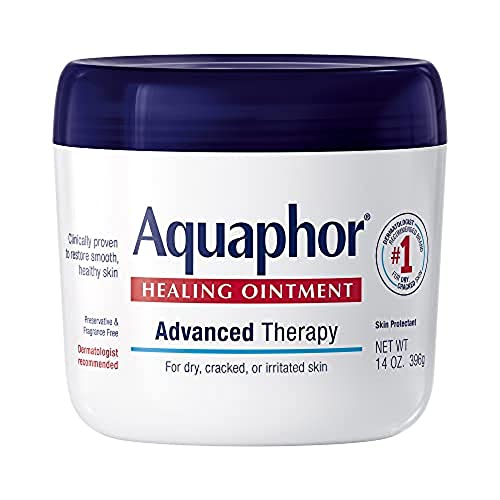
Aquaphor Healing Ointment
Aquaphor contains no antibiotics. Its healing power comes from a petrolatum-based formula that creates an occlusive barrier over the wound surface, locking in the moisture that accelerates tissue repair. Research consistently shows that moist wound healing produces faster re-epithelialization and better cosmetic outcomes than air-dried healing. Aquaphor’s formula also contains glycerin and lanolin, which are humectants that draw moisture into the skin and help maintain a hydrated wound environment. This makes it an excellent choice for wounds that are already clean and at low risk of infection.
Because it lacks antibiotics, Aquaphor is ideal for people with sensitive skin or multiple allergies. It can be used on everything from minor scrapes to dry, cracked skin around healing wounds. The ointment spreads easily and forms a protective layer that stays intact for hours, reducing the need for frequent reapplication. Many parents prefer Aquaphor for their children’s minor cuts because it eliminates the worry of an allergic reaction to antibiotic ingredients. It is also commonly used as a final step after applying an antibiotic ointment, to seal in moisture and provide additional protection.
One honest limitation of Aquaphor is that it does not provide any antimicrobial activity. If you have a wound that is dirty, contaminated, or at high risk of infection, using Aquaphor alone is not sufficient. It is best reserved for clean, superficial wounds where the main goal is to prevent scab formation and promote rapid skin regeneration. For deeper cuts or wounds with visible debris, you should first clean the wound thoroughly and consider using an antibiotic ointment before applying Aquaphor as a moisture seal.
Bacitracin Zinc Ointment
Bacitracin zinc covers gram-positive bacteria, the most common cause of skin infections from minor cuts, without the neomycin component that causes allergic contact dermatitis in a meaningful portion of the population. It is also one of the safer choices for people with penicillin allergies, as its mechanism of action is unrelated to beta-lactam antibiotics. For everyday minor cuts, bacitracin provides effective infection prevention while minimizing the risk of skin reactions. This makes it a reliable middle-ground option for users who want antibiotic protection but cannot tolerate neomycin.
The ointment has a straightforward formulation that is easy to apply and does not sting or burn on application. It is particularly popular among individuals who have had reactions to triple-antibiotic products in the past but still want the peace of mind that comes with an active antimicrobial ingredient. Bacitracin Zinc is also commonly used in medical settings for minor wound care, which speaks to its safety profile. The tube size is convenient for keeping in a first aid kit or bathroom cabinet, and the ointment stays effective for years when stored properly.
One honest limitation of Bacitracin Zinc is its narrower spectrum of coverage. It does not effectively target gram-negative bacteria, which are less common in minor skin infections but can still cause problems in certain wounds. If you have a wound that is deep, dirty, or located in an area with high bacterial exposure, a broader-spectrum option like Neosporin or Polysporin may be more appropriate. Additionally, some people still develop allergic reactions to bacitracin itself, though this is much rarer than neomycin allergy.
Polysporin First Aid Antibiotic
Polysporin uses just polymyxin B and bacitracin, omitting neomycin entirely, making it the right antibiotic ointment for people who have experienced a reaction to Neosporin or who have a history of contact allergy to neomycin. The dual-antibiotic formula still covers both gram-positive and gram-negative bacteria at the wound site. This means you do not sacrifice broad-spectrum protection when you switch away from triple-antibiotic products. Polysporin is the standard recommendation when a patient reports a neomycin allergy, and it is widely used in dermatology and primary care settings.
The ointment applies smoothly and forms a protective barrier that stays in place during normal daily activities. Many users report that Polysporin is less likely to cause the redness or itching they experienced with Neosporin, while still providing effective infection prevention. It is available in small tubes that fit easily into a pocket or purse, making it convenient for on-the-go first aid. The formula is also fragrance-free and dye-free, reducing the risk of irritation from unnecessary additives.
One honest limitation of Polysporin is that it still contains bacitracin, which can cause allergic reactions in a small number of users. While bacitracin allergy is far less common than neomycin allergy, it is not zero-risk. If you have a known allergy to bacitracin, you should avoid Polysporin and instead use Aquaphor or Vaseline for clean wounds. Additionally, Polysporin is not recommended for use on large body surface areas or for more than a few days at a time, as prolonged antibiotic use can contribute to bacterial resistance.
Vaseline Pure Petroleum Jelly
Vaseline is the original and purest petrolatum barrier, with no additives, no antibiotics, and no fragrances. Studies have found that plain petroleum jelly performs as well as antibiotic ointments in preventing infection in clean, low-risk surgical and traumatic wounds, with the advantage of zero allergy risk. It is the most practical choice for people who react to everything, for children’s minor cuts, and for anyone who wants a simple, inexpensive wound care product. The mechanism is purely physical: it seals the wound from outside contaminants while keeping the natural moisture of the skin trapped against the healing tissue.
The product is widely available in multiple sizes, from small travel tubes to large jars that last for years. It is incredibly versatile beyond wound care, serving as a lip balm, cuticle softener, and general skin protectant. For minor cuts and scrapes, a thin layer applied after cleaning is all you need. Because it contains no active ingredients, there is no risk of developing antibiotic resistance or allergic sensitization. This makes Vaseline the safest choice for long-term or repeated use on minor wounds.
One honest limitation of Vaseline is that it offers no antimicrobial activity whatsoever. If your wound is contaminated with dirt, debris, or bacteria, petroleum jelly alone will not kill those pathogens. It is only appropriate for clean, superficial wounds where infection risk is already low. For any wound that is dirty, deep, or showing signs of infection, you should use an antibiotic ointment or seek medical care. Additionally, Vaseline can feel greasy and may stain clothing or bedding if applied too thickly.
What to look for
- Antibiotic spectrum: Consider whether you need broad coverage against both gram-positive and gram-negative bacteria, or if a narrower spectrum is sufficient for your typical wounds. Triple-antibiotic formulas offer the widest protection, while single-antibiotic options are safer for sensitive skin.
- Allergen profile: Check the ingredient list for neomycin if you have a history of contact dermatitis. Bacitracin and polymyxin B are less allergenic but still carry a small risk. If you have multiple allergies, a pure petrolatum product may be your best bet.
- Moisture retention: All effective wound ointments create a moist environment, but some are more occlusive than others. Petrolatum-based products like Aquaphor and Vaseline provide the strongest moisture seal, while antibiotic ointments offer a balance of moisture and antimicrobial action.
- Wound type and cleanliness: For clean, superficial cuts, a barrier ointment without antibiotics is often sufficient. For dirty wounds, puncture wounds, or wounds in high-moisture areas, an antibiotic ointment is strongly recommended to prevent infection.
- Ease of application: Look for a product that spreads easily and stays in place without running. Ointments are generally thicker than creams, which helps them adhere to the wound site. Tube packaging is more hygienic than jars for repeated use.
- Cost and availability: Petrolatum products are typically the most affordable and widely available. Antibiotic ointments vary in price but are still inexpensive relative to prescription options. Consider how often you need the product and buy a size that matches your usage.
The verdict
For most people, Neosporin Original Antibiotic Ointment is the best choice because its triple-antibiotic formula offers the broadest infection protection for everyday cuts and scrapes. If you have sensitive skin or a known neomycin allergy, switch to Polysporin for similar coverage without the common allergen. For clean, low-risk wounds where you want to avoid antibiotics entirely, Aquaphor or Vaseline provide excellent moisture retention with zero allergy risk. Bacitracin Zinc is a solid middle-ground option for those who want antibiotic protection but need to avoid neomycin. Choose based on your skin sensitivity and the nature of your wound, and always clean the area thoroughly before applying any ointment.
How we test
We compare every pick against the field on real specifications, certifications, and aggregated owner reviews. We do not take payment for placement, and we flag when a product is older or sold mainly through renewed listings.
At a glance
The picks, reviewed
Neosporin Original Antibiotic Ointment - Best Triple-Antibiotic Protection for I
Neosporin is the most recognized name in over-the-counter wound care for a reason: its triple-antibiotic combination of neomycin, polymyxin B, and bacitracin covers a broad spectrum of bacteria that commonly infect minor cuts and scrapes. Applying a thin layer to a cleaned wound creates an antimicrobial barrier that fights infection while keeping the wound surface moist enough to support faster healing. It's the standard recommendation for cuts that occurred in contaminated environments or that show early redness.
Aquaphor Healing Ointment - Best for Moist Wound Healing and Preventing Scab For
Aquaphor contains no antibiotics - its healing power comes from a petrolatum-based formula that creates an occlusive barrier over the wound surface, locking in the moisture that accelerates tissue repair. Research consistently shows that moist wound healing produces faster re-epithelialization and better cosmetic outcomes than air-dried healing. Aquaphor's formula also contains glycerin and lanolin alcohol, which support the skin barrier. It's the preferred choice for dermatologists recommending post-procedure wound care.
Bacitracin Zinc Ointment - Best Single-Antibiotic Option for Penicillin-Allergic
Bacitracin zinc covers gram-positive bacteria - the most common cause of skin infections from minor cuts - without the neomycin component that causes allergic contact dermatitis in a meaningful portion of the population. It's also one of the safer choices for people with penicillin allergies, as its mechanism of action is unrelated to beta-lactam antibiotics. For everyday minor cuts, bacitracin provides adequate antimicrobial protection with a lower allergy risk profile than triple-antibiotic formulas.

Polysporin First Aid Antibiotic - Best for Neomycin-Sensitive Skin
Polysporin uses just polymyxin B and bacitracin - omitting neomycin entirely - making it the right antibiotic ointment for people who have experienced a reaction to Neosporin or who have a history of contact allergy to neomycin. The dual-antibiotic formula still covers both gram-positive and gram-negative bacteria at the wound site. Polysporin is the standard recommendation when a patient reports that "antibiotic ointment" causes redness or itching - the culprit is almost always the neomycin in triple-antibiotic products.
Vaseline Pure Petroleum Jelly - Best for Keeping Cuts Moist Without Active Antib
Vaseline is the original and purest petrolatum barrier - no additives, no antibiotics, no fragrances. Studies have found that plain petroleum jelly performs as well as antibiotic ointments in preventing infection in clean, low-risk surgical and traumatic wounds, with the advantage of zero allergy risk. It's the most practical choice for people who react to everything, for children's minor cuts, and for very small clean abrasions that simply need to stay moist and protected while they heal.
What to look for
Antibiotic vs. plain
Choose an antibiotic ointment for contaminated cuts, animal bites (pending medical evaluation), outdoor injuries, or wounds in high-bacteria environments. Plain petroleum jelly or Aquaphor is sufficient for clean kitchen or household cuts with low infection risk.
Allergy history
If you've had a previous reaction to antibiotic ointment, the cause is almost always neomycin. Switch to Polysporin or bacitracin zinc. If you react to those as well, plain petrolatum is the safe fallback.
Wound type
Deep puncture wounds, bites, and wounds with ragged edges or significant contamination warrant medical evaluation - topical ointment is not a substitute for professional wound care in these cases.
Coverage and frequency
A thin layer is all that's needed. Thick application doesn't improve outcomes and wastes product. Apply after cleaning the wound thoroughly with soap and water or saline solution.
Bandage pairing
Ointment works best under a non-stick dressing or standard adhesive bandage that holds it in contact with the wound surface. Without coverage, the ointment evaporates or wipes off quickly.
Our verdict
Neosporin remains the best choice when broad-spectrum antibiotic coverage is needed, while Aquaphor is the top recommendation for supporting moist wound healing without antibiotic exposure. For sensitive skin that reacts to neomycin, Polysporin is the direct, effective alternative. And for clean, low-risk cuts, plain Vaseline petroleum jelly is backed by solid clinical evidence and costs almost nothing. The best cut
FAQs
Not necessarily. Clean, minor cuts that are low-infection-risk can heal well with a plain moisture barrier like petroleum jelly, which keeps the wound moist and protected without antibiotics. Antibiotic ointments are most useful when a cut is contaminated, occurred outdoors or with dirty tools, is slow to heal, or shows early signs of infection like redness or warmth spreading beyond the wound edge.
For most minor cuts, applying a thin layer of ointment and changing the bandage once or twice daily is sufficient. Change the dressing whenever it becomes wet, dirty, or loosened. Over-frequent changes can disturb the healing tissue. Keep the wound covered and moist until new skin has formed over the surface - typically 3 to 7 days for minor cuts.
Watch for increasing redness spreading from the wound edges, warmth, swelling, yellow or green discharge, a fever, red streaking lines extending from the wound, or pain that worsens after 48 hours rather than improving. Any of these signs suggest infection that may require medical evaluation and oral or topical prescription antibiotics - do not rely on over-the-counter ointment alone for infected wounds.
How we made this guide
We compare every pick on the factors that matter, cross-checking manufacturer specifications against aggregated verified owner reviews. We rank independently and never take payment for placement. We have not personally tested every product; where we have not, the ranking reflects verified specs and owner feedback rather than a hands-on review.
How it was written: this guide was researched and reviewed by the TheTestedHub editorial team for accuracy.
Affiliate disclosure: TheTestedHub is reader-supported. When you buy through links on our site, we may earn a commission at no extra cost to you.
Related guides

Welch Allyn Tycos DS44 to 11 Sphygmomanometer Review (2026): The

Waterpik Aquarius WP-660 Water Flosser Review (2026)
Vital Proteins Collagen Peptides Powder Review (2026): The

Thorne Vitamin B Complex #6 Review (2026): The Methylated B

Thorne Magnesium Bisglycinate Powder Review (2026): The

Tower 28 SOS Daily Rescue Spray Review (2026)
Toto Washlet C200 Electric Bidet Seat Review (2026)
