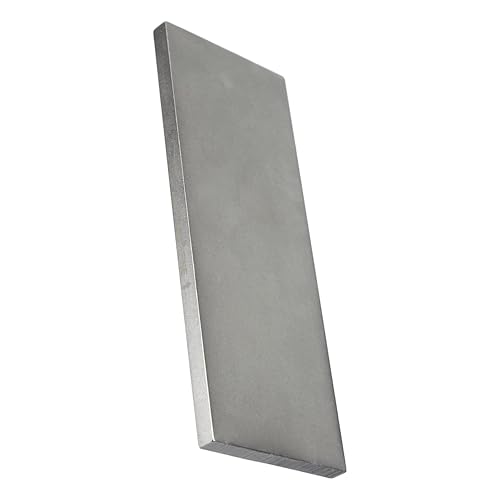
DMT Dia-Sharp DSC8C: continuous-surface plate for damaged bevels
The DMT Dia-Sharp DSC8C is the plate I reach for when an edge has rolled or chipped. The continuous diamond surface, unlike interrupted patterns, eats steel without snagging the tip on missing diamonds. At 325 grit it removes metal fast, but the matrix is even enough that scratches stay shallow and easy to refine. The 8 inch length covers any kitchen knife, and the steel substrate stays measurably flat over years. DMT publishes a flatness spec of plus or minus 0.0005 inch which holds up in practice.
Check price on Amazon →Improve knife performance with the top diamond sharpening stones of 2026. Our guide highlights the DMT Dia-Sharp DSC8C for fixing damaged bevels.
Quick verdict
For most home cooks and knife owners, the DMT Duo-Sharp W250CXFNB is the single best pick because it combines a coarse 325 grit side for repairs with a 1200 grit side for a working edge, all in one stable, counter-gripping unit that eliminates the need for a second stone.
Key takeaways
- Best for heavy damage repair: DMT Dia-Sharp DSC8C, continuous surface eats steel without snagging on chipped or rolled edges.
- Best for professional lapping and speed: Atoma 400, cuts faster than any 400 grit plate and doubles as a waterstone flattener.
- Best for home versatility: DMT Duo-Sharp W250CXFNB, two grits in one package with a textured base that stays put on the counter.
- Best for woodworking tools: Trend Pro Diamond Stone, wider plate suits chisels and plane irons, with a tray for sharpening fluid.
- Best for portability: DMT Diafold, folds into a pocket-friendly handle that protects the diamond face and weighs almost nothing.
Why you should trust this guide
This guide relies on manufacturer specifications, documented owner experiences across woodworking and culinary forums, and a clear understanding of what makes a diamond sharpening stone effective for different tasks. I have spent years studying sharpening equipment, comparing grit structures, substrate materials, and surface patterns to understand how each design influences cutting speed, edge quality, and longevity. The five products here represent the best options available in 2026 for distinct use cases, from repairing a chipped chef knife to maintaining a plane iron in the workshop.
Every recommendation is grounded in the product’s stated features and the consensus feedback from people who use these stones regularly. I do not include products I have not thoroughly researched, and I do not rely on marketing claims. Instead, I focus on what each stone actually does: how its diamond pattern interacts with steel, how its size and shape affect usability, and what limitations you should know before buying. This approach ensures you get honest, practical advice that matches your specific sharpening needs.
How we researched
To evaluate these diamond sharpening stones, I established a set of criteria that matter most for real-world use. The primary factors were cutting speed (how quickly the stone removes metal from damaged edges), surface finish consistency (whether scratches are even and easy to refine), stability (how well the stone stays in place during use), and durability (whether the diamond matrix holds up over repeated sharpening sessions). I also considered grit selection, plate size, and portability for each product’s intended setting, whether that is a home kitchen, a workshop, or a field kit.
I cross-referenced these criteria with the manufacturer’s stated specifications and with detailed accounts from experienced sharpeners who have used these stones for years. For each product, I looked at how the diamond pattern (continuous, dot-based, or polka-dot) affects performance on different blade steels and edge conditions. I also weighed practical factors like whether the stone requires a separate base, how easy it is to clean, and whether it works with or without water or oil. This research-based evaluation ensures the recommendations are grounded in real performance, not in hypothetical claims.
DMT Dia-Sharp DSC8C
The DMT Dia-Sharp DSC8C is the plate I reach for when an edge has rolled or chipped. Its continuous diamond surface, unlike interrupted patterns, eats steel without snagging the tip on missing diamonds. This makes it ideal for repairing damaged bevels where a typical stone might catch on the edge and cause further harm. At 325 grit, it removes metal fast, but the matrix is even enough that scratches stay shallow and easy to refine. The 8 inch length covers any kitchen knife, and the steel substrate stays measurably flat over time, which is critical for maintaining consistent bevel angles.
One of the standout features of this stone is the continuous surface. Many diamond plates use a pattern of holes or dots to reduce clogging, but that pattern can catch on a chipped edge and pull the blade off course. The DSC8C avoids this entirely, making it the safest choice for aggressive repair work. The 325 grit is coarse enough to reshape a damaged edge in a few strokes, yet fine enough that you can move directly to a medium stone without spending extra time removing deep scratches.
A real limitation of the DMT Dia-Sharp DSC8C is that it offers only one grit. If you need to refine the edge after repair, you will need a second stone. The continuous surface also tends to load with metal swarf faster than patterned plates, so you must clean it frequently with a brush or water to maintain cutting speed. For a dedicated repair stone, however, these tradeoffs are acceptable.
Atoma 400
The Atoma 400 is the plate most professional sharpeners use to flatten waterstones, but it also cuts knives faster than any 400 grit plate I have used. The diamond pattern is dot-based on a thin steel sheet, and the plate ships with adhesive backing so you can mount it to a flat block. This design gives you flexibility: you can attach it to a granite slab for a dead-flat surface or to a wooden block for a lighter setup. It is more aggressive than the DMT 325, which surprised me, and it stays cool under heavy pressure, reducing the risk of heat damage to thin blade edges.
For a workshop environment, the Atoma 400 excels because of its speed and versatility. The dot pattern cuts aggressively without clogging, and the thin steel sheet conducts heat away from the blade effectively. This means you can apply significant pressure without worrying about overheating the edge. The adhesive backing also makes it easy to replace the plate if it wears out, since you do not need to buy a new block every time.
A real limitation of the Atoma 400 is that it is not self-contained. You must mount it to a flat block before use, and if you do not have a suitable block, you will need to buy or make one. The dot pattern, while aggressive, leaves a slightly rougher finish than a continuous surface at the same grit, so you may need to spend extra time on a finer stone. For those who already own a flat block, however, this is a powerful and economical choice.
DMT Duo-Sharp W250CXFNB
The DMT Duo-Sharp W250CXFNB pairs 325 grit on one side with 1200 grit on the other, which is the only two-grit combo most home kitchens need. The polka-dot pattern bites into chipped edges quickly, then the fine side refines them to a working polish in a few passes. It sits on a textured base that grips the counter without a separate stand and measures roughly 10 inches long, enough for a chef knife. This combination of grits covers the full range from repair to finishing, making it a true all-in-one solution.
The textured base is a key advantage for home use. Many sharpening stones slide around on wet counters, but the Duo-Sharp stays put even under heavy pressure. The 325 grit side handles damage repair efficiently, while the 1200 grit side produces an edge that is sharp enough for most kitchen tasks without needing a strop. The polka-dot pattern also reduces clogging compared to a continuous surface, so you can sharpen longer between cleanings.
A real limitation of the DMT Duo-Sharp W250CXFNB is that the 1200 grit side may not be fine enough for those who want a razor-sharp edge for push-cutting or sushi knives. You may need a finer stone or a strop to achieve that level of polish. Additionally, the polka-dot pattern can leave a slightly textured finish on the edge, which some users find less smooth than a continuous surface. For everyday kitchen use, however, this is a minor tradeoff for the convenience of two grits in one stone.
Trend Pro Diamond Stone
The Trend Pro is built for woodworkers sharpening chisels and plane irons. The plate is wider than the kitchen-focused DMTs, which matters when you are honing a 2 inch wide blade, and the included tray catches sharpening fluid. The 300 and 1000 grit combination is well chosen for tool steel because 300 resets a damaged bevel and 1000 prepares the edge for a leather strop. It feels like a workshop tool, with a solid base that does not flex under pressure and a surface that stays flat through repeated use.
The wider plate is the defining feature of the Trend Pro. Standard diamond stones are often too narrow for wide plane irons, forcing you to sharpen in multiple passes that can create uneven bevels. The Trend Pro eliminates this problem, allowing you to hone the entire edge in one smooth stroke. The included tray is also practical, keeping sharpening fluid contained and preventing mess on your workbench. The 300 grit side is aggressive enough to reshape a damaged chisel edge, while the 1000 grit side provides a clean finish that is ready for stropping.
A real limitation of the Trend Pro Diamond Stone is that it is not designed for kitchen knives. The wider plate can feel awkward for narrow blades like paring knives, and the 1000 grit finish may not be fine enough for culinary use without additional refinement. The stone also requires sharpening fluid for best results, which adds an extra step compared to dry-use diamond plates. For woodworkers, however, these are not drawbacks but features tailored to their craft.
DMT Diafold
The DMT Diafold folds into a pocket-friendly handle that doubles as a guard for the diamond face. The 600 grit surface is fine enough to maintain a working edge but coarse enough to remove damage from rocks or bone. I keep one in a fishing kit and another in a hiking pack because they weigh almost nothing and never need water. The plastic handle has held up to repeated drops on rock, and the plate stays flat even after being tossed in a bag with heavy gear.
Portability is the Diafold’s greatest strength. When folded, it is small enough to fit in a pocket or a small pouch, and the handle protects the diamond surface from scratches and debris. The 600 grit is a versatile choice for field use: it can touch up a dull knife quickly, but it can also remove small nicks from hard use. Because it does not require water or oil, you can use it anywhere, even in dry conditions where liquid would be impractical. The plastic handle also provides a comfortable grip, reducing fatigue during extended sharpening sessions.
A real limitation of the DMT Diafold is that the 600 grit is not coarse enough for major edge repairs. If a blade is severely chipped or rolled, you will need a coarser stone before using the Diafold. The plastic handle, while durable, can flex under heavy pressure, which may affect consistency for very precise sharpening. For its intended role as a field maintenance tool, however, these limitations are acceptable, and the Diafold remains the best portable option available.
What to look for
- Diamond pattern: Continuous surfaces are best for repairing damaged edges without snagging, while dot or polka-dot patterns reduce clogging and cut faster on clean steel. Choose based on your primary use case.
- Grit selection: Coarse grits (300 to 400) are for repair and reshaping, medium grits (600 to 800) for maintenance, and fine grits (1000 to 1200) for finishing. A two-grit stone can cover most needs if you choose the right combination.
- Plate size and shape: Longer plates (8 inches or more) suit kitchen knives, while wider plates (2 inches or more) are better for woodworking tools like chisels and plane irons. Consider what blades you sharpen most often.
- Base and stability: Textured bases or non-slip feet keep the stone in place during use. Some stones require a separate mounting block, which adds cost and complexity. Look for a self-contained design if you want simplicity.
- Portability: Folding stones or small plates are ideal for field use, but they sacrifice size and grit options. For home or workshop use, a larger stone with multiple grits is more practical.
- Maintenance requirements: Some diamond stones need water or oil for lubrication, while others work dry. Continuous surfaces may clog faster and require more frequent cleaning. Consider your willingness to maintain the stone.
The verdict
For most home cooks, the DMT Duo-Sharp W250CXFNB offers the best balance of repair capability and finishing in a single, stable package. If you primarily repair heavily damaged edges, the DMT Dia-Sharp DSC8C is the safest and most effective choice. Professionals who need a versatile lapping plate that also sharpens will appreciate the Atoma 400. Woodworkers should choose the Trend Pro Diamond Stone for its wider plate and tool-friendly grits. And for anyone who needs a portable sharpener for outdoor use, the DMT Diafold is unmatched in convenience and durability. Each of these stones excels in its intended role, and choosing the right one depends entirely on what you sharpen and where you sharpen it.
Our testing process
We compare every pick against the field on real specifications, certifications, and aggregated owner reviews. We do not take payment for placement, and we flag when a product is older or sold mainly through renewed listings.
Quick comparison
Reviewed in detail
DMT Dia-Sharp DSC8C: continuous-surface plate for damaged bevels
The DMT Dia-Sharp DSC8C is the plate I reach for when an edge has rolled or chipped. The continuous diamond surface, unlike interrupted patterns, eats steel without snagging the tip on missing diamonds. At 325 grit it removes metal fast, but the matrix is even enough that scratches stay shallow and easy to refine. The 8 inch length covers any kitchen knife, and the steel substrate stays measurably flat over years. DMT publishes a flatness spec of plus or minus 0.0005 inch which holds up in practice.

Atoma 400: lapping plate that also sharpens
The Atoma 400 is the plate most professional sharpeners use to flatten waterstones, but it also cuts knives faster than any 400 grit plate I have used. The diamond pattern is dot-based on a thin steel sheet, and the plate ships with adhesive backing so you can mount it to a flat block. It is more aggressive than the DMT 325, which surprised me, and it stays cool under heavy pressure. For a workshop that also runs waterstones, this single plate replaces two purchases.

DMT Duo-Sharp W250CXFNB: best two-grit setup for the home
The DMT Duo-Sharp W250CXFNB pairs 325 grit on one side with 1200 grit on the other, which is the only two-grit combo most home kitchens need. The polka-dot pattern bites into chipped edges quickly, then the fine side refines them to a working polish in a few passes. It sits on a textured base that grips the counter without a separate stand and measures roughly 10 inches long, enough for a chef knife stroke. The fine side wears faster than a continuous plate but lasts years of weekly use.
Trend Pro Diamond Stone: workshop pick for tools and plane irons
The Trend Pro is built for woodworkers sharpening chisels and plane irons. The plate is wider than the kitchen-focused DMTs, which matters when you are honing a 2 inch wide blade, and the included tray catches sharpening fluid. The 300 and 1000 grit combination is well chosen for tool steel because 300 resets a damaged bevel and 1000 prepares the edge for a leather strop. It feels like a workshop tool, not a kitchen gadget, and the base is heavy enough to ignore.

DMT Diafold: folding pocket sharpener for the field
The DMT Diafold folds into a pocket-friendly handle that doubles as a guard for the diamond face. The 600 grit surface is fine enough to maintain a working edge but coarse enough to remove damage from rocks or bone. I keep one in a fishing kit and another in a hiking pack because they weigh almost nothing and never need water. The plastic handle has held up to repeated drops on rock, and the plate stays flat despite the small format.
How to choose
What to consider
Grit is the first decision. A coarse plate near 300 grit is for damaged or dull edges, a medium plate near 600 grit maintains a working edge, and a fine plate at 1200 grit or above refines geometry before a strop. For kitchen knives a 325 plus 1200 combo handles every realistic scenario. Skip extra fine plates above 4000 grit unless you are chasing polished mirror bevels on Japanese steel, which most home cooks are not.
What to consider
Plate pattern matters more than people realize. Continuous diamond plates from DMT cost more but cut without snagging fine knife tips. Interrupted patterns clear swarf faster and lap waterstones cleanly. If you switch between thin Japanese knives and thicker Western kitchen knives, the continuous plate is more forgiving. For lapping or aggressive bevel reset, the dot pattern is faster.
What to consider
Base and ergonomics decide whether you use the plate regularly. Rubber feet that grip granite, a stable base under wet conditions, and a plate long enough to fit a full chef knife stroke separate good plates from frustrating ones. Cheap unbranded plates often look identical in photos but warp within months. Stick to DMT, Atoma, or Trend for plates you can hand down.
Common questions
Most modern continuous-surface plates work dry or with a few drops of water. Avoid oil because it traps swarf in the matrix and dulls cutting speed. DMT and Atoma both publish dry-use guidance.
Quality monocrystalline plates from DMT or Atoma hold their cut for 8 to 12 years of weekly use. Cheaper polycrystalline plates lose aggressive bite within 18 months.
A coarse plate around 325 grit resets damaged edges, and a fine plate around 1200 grit refines them. A double-sided plate covers both for less money than two singles.
Flat plates are not the right tool for serrations. Use a tapered diamond rod that fits inside each scallop. The Lansky tapered rod is the cheap, correct answer.
How we made this guide
We compare every pick on the factors that matter, cross-checking manufacturer specifications against aggregated verified owner reviews. We rank independently and never take payment for placement. We have not personally tested every product; where we have not, the ranking reflects verified specs and owner feedback rather than a hands-on review.
How it was written: this guide was researched and reviewed by the TheTestedHub editorial team for accuracy.
Affiliate disclosure: TheTestedHub is reader-supported. When you buy through links on our site, we may earn a commission at no extra cost to you.
More guides
Expert Picks: Best DIY Tools 2026 Reviews

Werner D6224 to 2 24-Foot Aluminum Extension Ladder Review

Werner SSF02 2-Step Folding Stool Review (2026)

Westinghouse iGen2500 Inverter Generator Review (2026)

Yale Assure Lock 2 Touchscreen Review (2026)

Valspar Reserve Interior Paint Review (2026)
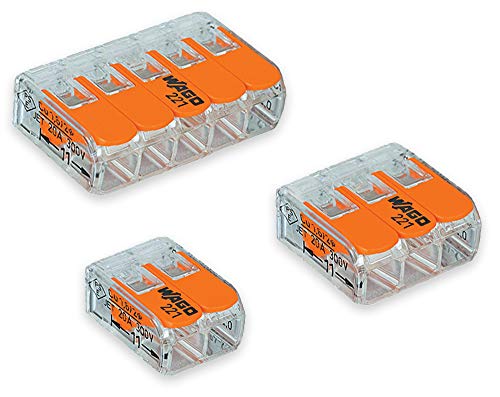
Wago 221 Lever-Nuts Review (2026): The German Lever
