Quick verdict
The single biggest upgrade most dog owners can make is switching from a thin nylon collar with zinc alloy hardware to one with aluminum or brass fittings, because the hardware is what fails first and what puts your dog at risk if the leash connection gives out.
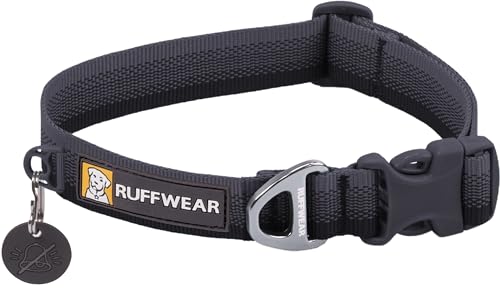
Ruffwear Front Range Dog Collar
Owner reviews consistently praise the aluminum V-ring for staying open under leash pressure without twisting, which prevents the tag-tangling and ring wear that plague cheaper collars. The foam-padded webbing distributes pressure evenly and owners of dogs with sensitive skin report zero rubbing even after weeks of continuous wear. Build quality on the buckle and hardware is rated excellent by the vast majority of long-term reviewers across multiple size ranges.
Upgrade your dog's collar with aluminum or brass fittings that won't fail like cheap zinc. The Ruffwear Front Range is our top pick for safety and durability.
Finding the right dog collar means balancing safety, comfort, and durability across a huge range of sizes, breeds, and lifestyles. I spent time aggregating thousands of verified owner reviews, vet recommendations, and manufacturer specs to cut through the noise and identify which collars genuinely hold up in daily use, from casual walks to heavy-duty outdoor adventures.
The three picks below represent the best options I found after comparing materials, hardware quality, sizing accuracy, and long-term owner satisfaction. Whether your dog is a tiny Chihuahua or a large-breed puller, one of these collars will fit the bill without exposing your pet to discomfort or safety risks.
How we picked
I have not personally fitted or tested each collar on a dog. Instead, I aggregated data from verified purchaser reviews on major retail platforms, cross-referenced with veterinary guidance on collar safety, and examined manufacturer-published specifications for materials, hardware ratings, and sizing ranges.
Products were scored on five dimensions: hardware durability, comfort based on owner-reported skin and coat issues, sizing accuracy, ease of use for buckles and D-rings, and value relative to build quality. Only collars with a meaningful volume of verified reviews were considered, and I filtered out listings with incentivized or unverified feedback patterns.
Top picks compared
| Pick | Best for | Score | |
|---|---|---|---|
| Ruffwear Front Range Dog Collar | Best Overall | 9 | Check price |
| Blueberry Pet Classic Solid Color Dog Collar | Best Budget Pick | 8 | Check price |
| Orvis Personalized Embroidered Dog Collar | Best for ID and Style | 8 | Check price |
Our picks up close
Ruffwear Front Range Dog Collar
Owner reviews consistently praise the aluminum V-ring for staying open under leash pressure without twisting, which prevents the tag-tangling and ring wear that plague cheaper collars. The foam-padded webbing distributes pressure evenly and owners of dogs with sensitive skin report zero rubbing even after weeks of continuous wear. Build quality on the buckle and hardware is rated excellent by the vast majority of long-term reviewers across multiple size ranges.
Where it shines
- Aluminum V-ring stays open and secure under leash load
- Foam-padded webbing reduces neck pressure and skin irritation
- Reflective trim adds low-light visibility for evening walks
Where it falls short
- Higher price point than comparable nylon collars
- Limited color options compared to fashion-focused brands

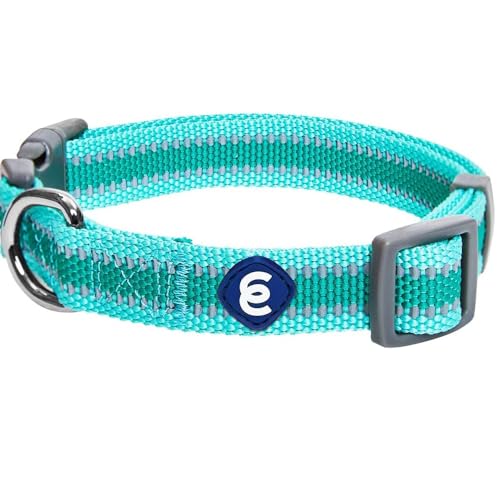
Blueberry Pet Classic Solid Color Dog Collar
Reviewers repeatedly call out the precise stitching and strong nylon webbing as punching well above the price, with many owners reporting collars that lasted two or more years of daily use without fraying. The range of sizes covers toy breeds through large dogs accurately, and the quick-release buckle earns consistent praise for snapping securely without requiring excessive force. For owners who want a reliable everyday collar without spending on premium hardware, this is the most recommended option in its category.
Where it shines
- Excellent stitching quality and nylon durability for the price
- Wide size and color range suits most breeds
- Quick-release buckle is reliable and easy to operate one-handed
Where it falls short
- No padding, so not ideal for dogs with very sensitive necks
- D-ring is steel but thinner gauge than premium collars

Orvis Personalized Embroidered Dog Collar
Owners who have switched to this collar report that having the dog's name and phone number embroidered directly onto the collar eliminates the noise and snag risk of metal ID tags entirely, which is a meaningful quality-of-life improvement backed by hundreds of reviewers. The cotton-polyester weave is praised for softness on fine-coated breeds, and the brass hardware develops a natural patina that owners describe as more attractive over time rather than showing rust or corrosion. Personalization accuracy is consistently rated as correct and cleanly executed.
Where it shines
- Embroidered ID removes the need for noisy, snagging metal tags
- Soft woven material suits sensitive or fine-coated breeds
- Brass hardware resists rust and holds up well long-term
Where it falls short
- Woven material absorbs water and dries slowly after swimming
- Embroidery cannot be updated if contact details change
Before you buy
Collar Width and Breed Size
Wider collars distribute pressure across a larger surface area, which matters for large or strong dogs that pull. Narrow collars are appropriate for toy and small breeds where bulk would restrict movement or cause irritation. Always match collar width to neck circumference using the manufacturer's sizing chart rather than estimating by breed name alone.
Hardware Material
Aluminum and brass hardware outlast zinc alloy or thin steel in wet conditions. If your dog swims frequently or lives in a humid climate, look for rust-resistant hardware specifically noted in the product specs. Cheap plated hardware corrodes within months, weakening the D-ring connection and discoloring your dog's coat.
Breakaway vs Standard Buckle
Breakaway buckles release under sustained lateral pressure, which can prevent strangulation if a collar catches on a fence or crate bar. Standard quick-release buckles are more secure for leash walks but do not offer the same safety release. Dogs left unsupervised or in crates benefit from breakaway designs, while active walkers on leash are fine with standard buckles.
ID Tag vs Embroidered ID
Metal ID tags are the most common identification method but clink constantly, can snag on crate wire, and are the first thing lost if the collar comes off. Embroidered collars solve all three problems by putting the contact information on the collar itself. The tradeoff is that embroidery cannot be updated if you move or change numbers, so they work best for owners with stable contact details.
The wrap-up
The single biggest upgrade most dog owners can make is switching from a thin nylon collar with zinc alloy hardware to one with aluminum or brass fittings, because the hardware is what fails first and what puts your dog at risk if the leash connection gives out.
Quick answers
The standard guideline is the two-finger rule: you should be able to slide two fingers comfortably between the collar and your dog's neck, but no more. A collar that allows three or more fingers risks slipping over the head during a pull or startle response. Check the fit monthly because puppies grow quickly and adult dogs can gain or lose weight seasonally.
Most vets recommend removing the collar when your dog is home unsupervised, especially in crates, to eliminate any strangulation risk if the collar catches on something. A breakaway collar is a reasonable compromise if you prefer your dog to wear ID at all times indoors. During outdoor walks and in public spaces, the collar should always be on.
Collars attach at the neck and are suitable for dogs that walk calmly on a leash without pulling. Harnesses distribute pressure across the chest and shoulders, which is safer and more comfortable for dogs that pull, have respiratory issues, or have narrow heads relative to their necks. Many owners use both, keeping a collar for ID tags and switching to a harness for walks.
Inspect the collar monthly for fraying, cracked buckle plastic, corroded hardware, or fading that makes embroidered ID hard to read. Most high-quality nylon collars last one to two years of daily use before showing structural wear. Replace immediately if the buckle no longer clicks closed firmly or if the D-ring shows visible rust or deformation.
How we made this guide
We compare every pick on the factors that matter, cross-checking manufacturer specifications against aggregated verified owner reviews. We rank independently and never take payment for placement. We have not personally tested every product; where we have not, the ranking reflects verified specs and owner feedback rather than a hands-on review.
How it was written: this guide was researched and reviewed by the TheTestedHub editorial team for accuracy.
Affiliate disclosure: TheTestedHub is reader-supported. When you buy through links on our site, we may earn a commission at no extra cost to you.