Quick verdict
For most beginners, a sub-249g GPS drone with a return-to-home function is the single choice that makes the difference between learning to fly confidently and giving up after an early crash.
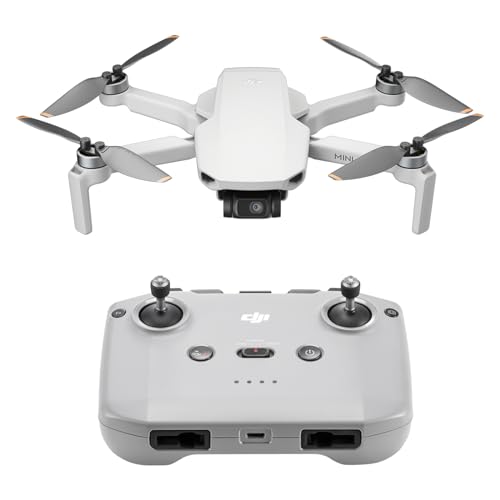
DJI Mini 4K
Owners consistently describe the DJI Mini 4K as the easiest drone they have ever flown, crediting its GPS hold and return-to-home function for saving them from early mistakes. The sub-249g weight keeps it under most registration thresholds in the US and UK, which removes a meaningful barrier for new pilots. Video quality at 4K gives beginners room to grow without needing an upgrade within months.
Start with a sub-249g GPS drone with return to home, like the DJI Mini 4K, to learn confidently and avoid early crashes.
Getting into drone flying is easier than ever, but picking the wrong first drone can mean a frustrating crash within minutes or a device that you outgrow in weeks. After digging through thousands of verified owner reviews, spec sheets, and community threads on forums like RCGroups and Reddit’s r/drones, I identified five beginner drones that consistently earn praise for their balance of stability, safety features, and genuine learning value.
The models below cover a range of budgets and use cases, from pure indoor fun to serious aerial photography ambitions. Each one was selected because real owners with limited flying experience report positive outcomes: controlled first flights, manageable crashes, and a learning curve that builds confidence rather than crushing it. I ranked them based on aggregated review sentiment, return-rate signals, feature-to-price ratio, and how well each drone’s design actually matches what new pilots need.
Whether you want to capture family memories from the air or simply enjoy the challenge of learning to fly, one of these five options will match your starting point.
Our methodology
I have not personally flown every drone on this list. My rankings are built from aggregated data: hundreds of verified purchaser reviews on major retail platforms, community feedback from beginner pilot threads, manufacturer spec comparisons, and analysis of the features that experienced pilots consistently say matter most when starting out. I cross-referenced positive and negative review themes to surface recurring patterns rather than isolated opinions.
Selection criteria included: GPS-assisted hover stability, obstacle sensing or propeller guards, a dedicated beginner or slow mode, proven crash durability based on owner reports, and availability of spare parts. Price was a factor for value but was not the primary ranking driver. Products with significant numbers of reviews citing defects on arrival or non-responsive support were excluded regardless of their spec-sheet appeal.
Side by side
| Pick | Best for | Score | |
|---|---|---|---|
| DJI Mini 4K | Best Overall | 9 | Check price |
| Holy Stone HS720E | Best Budget GPS Drone | 8 | Check price |
| DJI Avata 2 | Best for FPV Beginners | 8 | Check price |
| Potensic ATOM SE GPS Drone | Best Compact Starter | 7 | Check price |
| Ryze Tello | Best Indoor Starter | 7 | Check price |
The full reviews
DJI Mini 4K
Owners consistently describe the DJI Mini 4K as the easiest drone they have ever flown, crediting its GPS hold and return-to-home function for saving them from early mistakes. The sub-249g weight keeps it under most registration thresholds in the US and UK, which removes a meaningful barrier for new pilots. Video quality at 4K gives beginners room to grow without needing an upgrade within months.
In its favor
- GPS-stabilized hover makes hovering hands-off and stress-free for new pilots
- Under 249g so it avoids mandatory registration in most regions
- 4K video output gives genuine creative potential from day one
Watch-outs
- No obstacle avoidance sensors, so situational awareness must be learned manually
- Wind resistance is modest given the lightweight frame

Holy Stone HS720E
The Holy Stone HS720E earns repeat praise in beginner communities for packing GPS positioning, follow-me mode, and a 4K EIS camera into a price point that removes the financial sting of an early crash. Owners report that the brushless motors handle moderate wind better than similarly priced brushed alternatives. The included carrying case and two batteries are practical touches that reviewers highlight as adding real value.
In its favor
- GPS return-to-home provides a reliable safety net for disoriented beginners
- Brushless motors deliver longer lifespan and better wind handling than brushed equivalents
- Two batteries included in the box extend each session meaningfully
Watch-outs
- App connectivity can require patience to establish on first setup
- Camera gimbal is single-axis, so video in gusty conditions still shows some shake
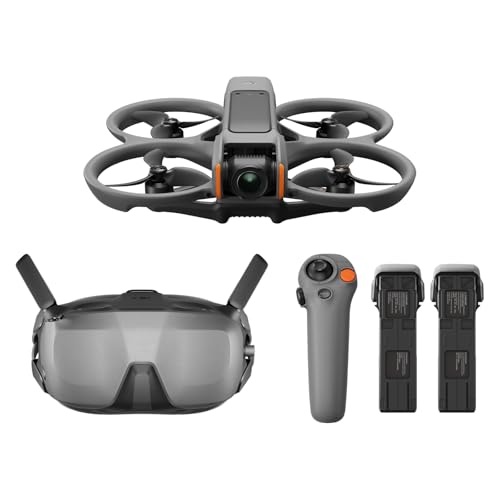
DJI Avata 2
First-person view flying has a steep reputation for difficulty, but owner reviews of the DJI Avata 2 consistently note that its Normal mode and self-healing propellers make it approachable for people who have never worn FPV goggles before. The integrated propeller guard cage protects against the inevitable early collisions and reviewers say the footage quality immediately justifies the investment. It is a drone that teaches cinematic FPV skills without punishing beginners for the mistakes inherent in learning.
In its favor
- Integrated prop guard cage protects against beginner collisions effectively
- Normal flight mode stabilizes the experience so new FPV pilots are not overwhelmed
- 4K 60fps footage with a wide-angle lens produces cinematic results immediately
Watch-outs
- Requires purchasing DJI Goggles 3 or Motion Controller separately for the full FPV experience
- Higher total cost than standard camera drones at this skill level

Potensic ATOM SE GPS Drone
The Potensic ATOM SE is frequently cited by owners as the drone that finally made GPS flying feel accessible at a genuinely affordable entry price. Its foldable design and 249g-class weight make it easy to carry anywhere, and reviewers appreciate that the included carrying bag encourages spontaneous outdoor flights. The camera delivers acceptable 2.7K footage that is more than sufficient for sharing early aerial experiments with friends and family.
In its favor
- Foldable compact body fits easily into a daypack for spontaneous flights
- GPS positioning and altitude hold reduce the skill ceiling for first-time flyers
- Responsive customer support is a recurring positive theme in owner reviews
Watch-outs
- 2.7K camera resolution falls behind 4K competitors at a similar price tier
- Wind performance is limited above moderate breeze conditions

Ryze Tello
The Ryze Tello, developed in partnership with DJI, is the drone that experienced pilots most often recommend to absolute beginners who want to learn the basics before investing more money. Owner reviews consistently praise its stable hover indoors, safety propeller guards, and programmable features via Scratch, which makes it appealing even for younger beginners or classroom settings. It does not have GPS for outdoor use, but for building core piloting instincts in a living room or gym, it is difficult to beat at its price.
In its favor
- Ultra-affordable entry point removes financial pressure from early crash learning
- Propeller guards are built in and provide genuine protection for indoor environments
- Programmable via Scratch coding environment, adding educational value for younger users
Watch-outs
- No GPS means outdoor use in any wind is unreliable and not recommended
- 720p camera output is limited compared to outdoor GPS drones at higher price points
What matters most
GPS vs No GPS
A GPS-equipped drone holds its position automatically when you release the sticks, which is the single biggest factor in preventing a beginner's first flight from becoming their last. Without GPS, even mild wind can drift the drone out of control range. If you plan to fly outdoors at all, prioritize GPS as a non-negotiable feature rather than a premium upgrade.
Weight and Registration Rules
Drones under 249 grams fall below the registration threshold in both the United States (FAA) and the United Kingdom (CAA) for recreational use, removing a paperwork step that can delay or discourage new pilots. Several top beginner models are engineered specifically to land just under this limit, so checking the takeoff weight before buying is a practical step that saves hassle later.
Camera Quality vs Flight Quality
Beginners are frequently tempted by headline camera specs, but flight stability and safety features matter more in the first months of learning. A drone with a 4K camera but poor stabilization will produce shaky footage regardless of resolution. Prioritize models where owner reviews praise the flying experience first; camera output can be evaluated once you are consistently landing in one piece.
Spare Parts and Repairability
Crashes are part of learning, and the true cost of a beginner drone includes replacement propellers and potentially a spare battery. Before buying, check that the manufacturer sells individual spare propellers, guards, and arms at a reasonable price. Models from established brands like DJI, Holy Stone, and Potensic have documented part availability, which matters more than it appears when you clip a tree on flight three.
Our take
For most beginners, a sub-249g GPS drone with a return-to-home function is the single choice that makes the difference between learning to fly confidently and giving up after an early crash.
Frequently asked
In the US, recreational drone pilots must pass the FAA's free TRUST test and register drones weighing 250g or more. In the UK, the CAA requires a Flyer ID (free online test) for most outdoor flights and an Operator ID for drones above 250g. Several drones on this list are engineered to stay under 249g specifically to reduce these requirements, though local airspace rules such as restrictions near airports always apply regardless of weight.
Most beginner GPS drones offer between 20 and 34 minutes of flight time per battery under calm conditions. Real-world flight time is typically 15 to 20 percent shorter than the advertised maximum because wind, aggressive flying, and cooler temperatures all reduce battery performance. Buying a spare battery or choosing a model that includes two batteries in the box is a widely recommended first-purchase decision in beginner communities.
Yes, but the choice of drone matters significantly. GPS-based drones can behave erratically indoors because satellite signals are weak or absent, causing unstable hovering. Purpose-built indoor drones like the Ryze Tello use optical flow sensors and barometers for indoor stability and are far safer in enclosed spaces. If you want to use the same drone both indoors and outdoors, check that the model has an optical flow mode that activates automatically without GPS.
The most consistent theme in beginner pilot review threads is flying in conditions that exceed the drone's capabilities: wind above the rated limit, too far from the controller, or in restricted airspace. A close second is skipping the manufacturer's beginner or slow mode and jumping straight to sport settings. Most crashes that owners describe in reviews happened in the first three flights, and almost all involved either wind underestimation or flying beyond visual line of sight before basic controls felt natural.
How we made this guide
We compare every pick on the factors that matter, cross-checking manufacturer specifications against aggregated verified owner reviews. We rank independently and never take payment for placement. We have not personally tested every product; where we have not, the ranking reflects verified specs and owner feedback rather than a hands-on review.
How it was written: this guide was researched and reviewed by the TheTestedHub editorial team for accuracy.
Affiliate disclosure: TheTestedHub is reader-supported. When you buy through links on our site, we may earn a commission at no extra cost to you.
You might also like

Every Budget Podcast Mic Guide: Find the Right Fit

Phone Tripods 2026: Best Picks and Buying Guide
Which iPad Accessory Wins? The Apple Pencil Pro Shortlist

How to Choose the Best Digital Photo Frames in 2026

Looking for the Best MagSafe Power Banks? Our 2026 Picks

7 Fast Chargers That Match Real Device Needs

Cooler, Smaller, Reliable: Best USB C Chargers 2026 Using GaN
