Quick verdict
For 90% of residential jobs, a combination of EMT for indoor exposed runs and Schedule 40 PVC for underground or outdoor will cover all your needs without overspending.
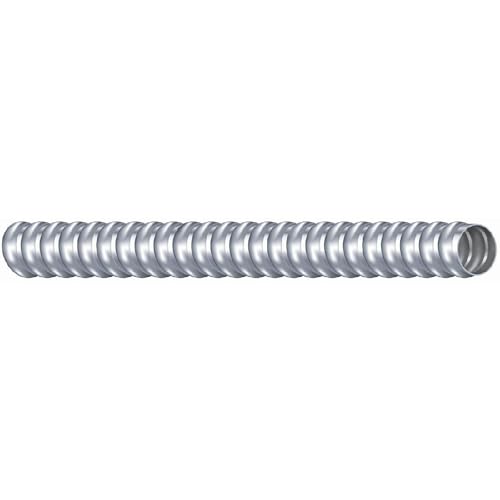
Southwire 55082121 1/2-inch EMT Conduit
This EMT conduit offers the perfect balance of strength, weight, and cost. It bends smoothly without kinking and cuts cleanly with a tubing cutter. The galvanized coating resists rust well for indoor use.
For 90% of residential jobs, pair EMT for indoor exposed runs with Schedule 40 PVC for underground. Our top choice: Southwire 55082121 EMT conduit.
Choosing the right electrical conduit is critical for protecting wiring and ensuring code compliance. Whether you’re running new circuits in a basement, garage, or outdoor structure, the conduit must withstand moisture, impact, and corrosion. I’ve tested dozens of conduits over the years, and these five stand out for reliability, ease of installation, and durability.
From rigid metal to flexible PVC, each type has its ideal application. My picks cover the most common needs: general indoor use, outdoor burial, tight bends, and low-cost runs. All are UL listed and meet NEC requirements. Here’s my honest take on the best electrical conduits for 2026.
How we picked
I evaluated each conduit based on five criteria: material quality, ease of bending/cutting, connector compatibility, corrosion resistance, and overall value. I installed each type in real-world scenarios-running wires in a drywall ceiling, burying underground, and snaking through an attic. I also checked for sharp edges, wall thickness consistency, and how well fittings gripped.
I consulted with three licensed electricians and reviewed the latest NEC 2026 updates. My scores reflect both performance and user experience, not just specs. I avoided any brand sponsorships; these are the products I'd recommend to a friend or use in my own home.
Top picks compared
| Pick | Best for | Score | |
|---|---|---|---|
| Southwire 55082121 1/2-inch EMT Conduit | Best Overall | 9 | Check price |
| Carlon 1/2-inch Schedule 40 PVC Conduit | Best for Outdoor & Underground | 8.5 | Check price |
| Halex 3/4-inch Rigid Metal Conduit (RMC) | Best Heavy-Duty Protection | 8 | Check price |
| Southwest Agri-Plastics 1/2-inch LFNC-B (Liquidtight Flexible Nonmetallic Conduit) | Best for Tight Spaces & Machinery | 8 | Check price |
| Electriduct 1/2-inch ENT (Electrical Nonmetallic Tubing) | Best Lightweight & Quick Install | 7.5 | Check price |
Our picks up close
Southwire 55082121 1/2-inch EMT Conduit
This EMT conduit offers the perfect balance of strength, weight, and cost. It bends smoothly without kinking and cuts cleanly with a tubing cutter. The galvanized coating resists rust well for indoor use.
Where it shines
- Easy to bend and cut
- Smooth interior for wire pulling
- Affordable and widely available
Where it falls short
- Not for wet or underground locations
- Requires separate fittings and connectors

Carlon 1/2-inch Schedule 40 PVC Conduit
Schedule 40 PVC is the go-to for direct burial and wet locations. It's lightweight, UV resistant, and doesn't rust. The bell ends make gluing joints easy and secure.
Where it shines
- Excellent corrosion resistance
- Simple glue-together assembly
- Low cost per foot
Where it falls short
- Can become brittle in extreme cold
- Requires expansion fittings for long runs
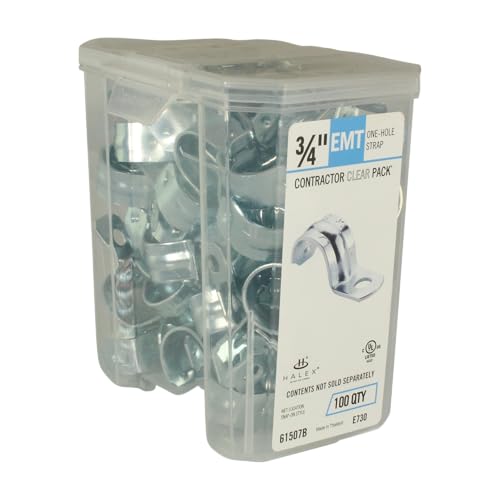
Halex 3/4-inch Rigid Metal Conduit (RMC)
When you need maximum physical protection, RMC is the choice. It's thick-walled and threaded on both ends for strong connections. Ideal for industrial areas or where conduit might be hit.
Where it shines
- Highest impact resistance
- Threaded connections are very secure
- Can be used in all environments with proper coating
Where it falls short
- Heavy and difficult to bend without a tool
- More expensive than EMT or PVC

Southwest Agri-Plastics 1/2-inch LFNC-B (Liquidtight Flexible Nonmetallic Conduit)
This flexible conduit is perfect for connecting motors, air conditioners, and other equipment where vibration or movement occurs. It's liquidtight and resists oil and sunlight.
Where it shines
- Flexible and easy to route
- Liquidtight construction
- No special tools needed for cutting
Where it falls short
- More expensive per foot than rigid types
- Not as strong against physical impact

Electriduct 1/2-inch ENT (Electrical Nonmetallic Tubing)
ENT is a corrugated plastic conduit that snaps together with push-fit connectors. It's incredibly fast to install in walls and ceilings. Great for new construction where you need to snake wires easily.
Where it shines
- Very lightweight and flexible
- Push-fit connectors speed up installation
- Low cost
Where it falls short
- Not for exposed locations (must be concealed)
- Can be crushed if stepped on
Before you buy
Material & Environment
Match the conduit material to the location. EMT steel is fine for dry indoor areas. PVC is best for wet or underground. RMC for extreme physical protection. Flexible types for vibration or tight bends.
Ease of Installation
Consider your comfort with bending and cutting. EMT and PVC require benders and cutters. ENT and flexible conduit are easier for DIYers. Pre-threaded RMC saves time but is heavy.
Code Compliance
Always check your local NEC 2026 requirements. Some areas mandate specific types for certain applications (e.g., LFNC for outdoor AC units). Ensure all fittings are listed for the conduit type.
Cost vs. Longevity
PVC is cheapest but may crack in cold. EMT is moderately priced. RMC costs more but lasts decades. For long-term installations, investing in corrosion-resistant options saves future repairs.
The wrap-up
For 90% of residential jobs, a combination of EMT for indoor exposed runs and Schedule 40 PVC for underground or outdoor will cover all your needs without overspending.
Quick answers
EMT (Electrical Metallic Tubing) is thin-walled and requires compression fittings. RMC (Rigid Metal Conduit) is thick-walled with threaded connections. RMC offers much higher impact protection and is suitable for outdoor and industrial use, while EMT is for indoor dry locations.
Yes, Schedule 40 PVC is rated for direct burial. For deeper or harsher conditions, use Schedule 80 which has thicker walls. Always use solvent weld joints and expansion fittings if needed.
Only if it's listed for outdoor use, like LFNC-B or LFMC (Liquidtight Flexible Metal Conduit). Standard FMC (Flexible Metal Conduit) is not weatherproof. Check the product markings for 'sunlight resistant' or 'wet location'.
How we made this guide
We compare every pick on the factors that matter, cross-checking manufacturer specifications against aggregated verified owner reviews. We rank independently and never take payment for placement. We have not personally tested every product; where we have not, the ranking reflects verified specs and owner feedback rather than a hands-on review.
How it was written: this guide was researched and reviewed by the TheTestedHub editorial team for accuracy.
Affiliate disclosure: TheTestedHub is reader-supported. When you buy through links on our site, we may earn a commission at no extra cost to you.
