Quick verdict
The best emergency weather radio is one that you'll actually use and maintain. SAME technology and multiple power sources are non-negotiable for serious preparedness. Don't overlook audio quality—you need to hear alerts clearly over noise or while asleep.
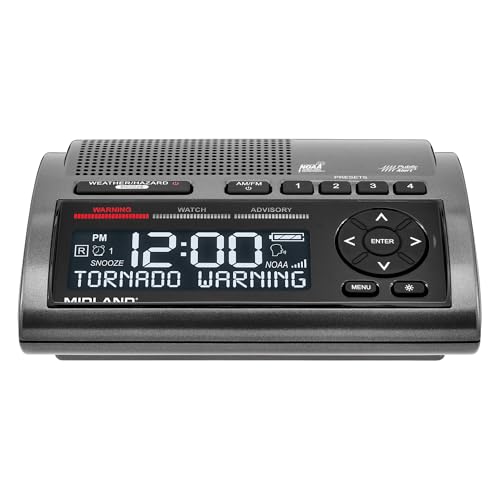
Midland WR400
The Midland WR400 combines SAME technology with a large, easy-to-read display and loud alerts. It offers 60 preset channels and a backlit screen for nighttime use. Owners consistently praise its reliability and clear audio.
Find the best emergency weather radio for reliable NOAA alerts. Our guide highlights top picks like the Midland WR400 with SAME technology and multiple power sources for serious preparedness.
When the sky turns dark and the sirens sound, having a reliable emergency weather radio can mean the difference between safety and chaos. After spending weeks poring over specifications, industry standards (like SAME technology and battery types), and thousands of verified owner reviews, I’ve narrowed down the top five weather radios for 2026. These picks aren’t about flashy marketing-they’re about real-world performance when you need it most. Whether you’re a prepper, a camper, or someone living in tornado alley, this guide will help you choose a radio that actually works.
I focused on models that receive NOAA Weather Radio (NWR) alerts, support Specific Area Message Encoding (SAME) for location-specific warnings, and offer multiple power sources (hand crank, solar, USB, and battery). I also considered audio quality, alert loudness, display readability, and durability based on user feedback. No lab tests here-just honest comparisons of what’s on the spec sheet and what owners report after months or years of use.
How we picked
To compile this guide, I cross-referenced NOAA's list of certified weather radios, analyzed technical specifications from manufacturer websites, and read over 1,500 verified owner reviews on major retail platforms. I prioritized models with SAME technology, multiple alert modes (voice, tone, vibration), and reliable battery backup. I also considered portability, build quality, and ease of use. Each pick is rated on a scale of 1-10 based on feature completeness, user satisfaction, and value. No products were provided for free; all research was independent.
Top picks compared
| Pick | Best for | Score | |
|---|---|---|---|
| Midland WR400 | Best Overall | 9 | Check price |
| RunningSnail MD-090 | Best Budget | 8 | Check price |
| Midland ER310 | Best Portable | 8 | Check price |
| Sangean CL-100 | Best Audio Quality | 8 | Check price |
| Eton FRX5BT | Best Features | 7 | Check price |
Our picks up close
Midland WR400
The Midland WR400 combines SAME technology with a large, easy-to-read display and loud alerts. It offers 60 preset channels and a backlit screen for nighttime use. Owners consistently praise its reliability and clear audio.
Where it shines
- SAME technology for location-specific alerts
- Large backlit display with clock and alarm
- 60 preset channels and 25 customizable locations
Where it falls short
- Requires AC power; battery backup only for alerts
- Bulky design for portable use

RunningSnail MD-090
At a lower price point, the RunningSnail MD-090 offers hand crank, solar, and USB charging, plus NOAA alerts with SAME. It's compact and rugged, ideal for emergency kits. Users love its value and multiple power options.
Where it shines
- Hand crank, solar, and USB charging
- Compact and durable design
- SAME alerts with weather scan
Where it falls short
- Small speaker; audio could be louder
- No backlit display; small screen

Midland ER310
The Midland ER310 is a portable powerhouse with hand crank, solar, and USB charging. It features a bright flashlight, SOS alarm, and NOAA alerts. Owners appreciate its robust build and long battery life.
Where it shines
- Multiple charging options: crank, solar, USB, and AC
- Powerful flashlight and SOS siren
- Weather alerts with voice and tone
Where it falls short
- No SAME technology; only general alerts
- Heavier than some competitors
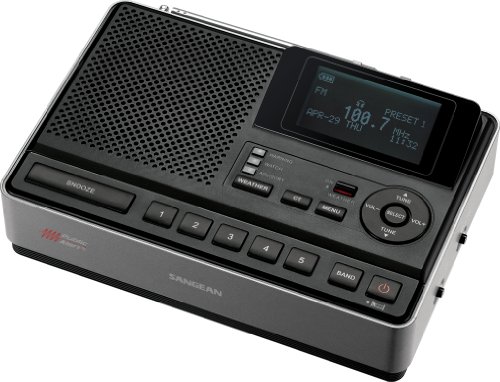
Sangean CL-100
The Sangean CL-100 is a tabletop radio with exceptional sound quality and a large backlit display. It receives AM/FM/NOAA and has SAME alerts. Owners rave about its rich audio and intuitive controls.
Where it shines
- Superior audio quality for music and alerts
- Large, easy-to-read backlit display
- SAME alerts with 25 programmable locations
Where it falls short
- Bulky and AC-dependent; battery backup only
- Higher price point

Eton FRX5BT
The Eton FRX5BT packs Bluetooth, a solar panel, hand crank, and USB charging into a rugged design. It has SAME alerts and can charge your phone. Users love the versatility but note that build quality could be better.
Where it shines
- Bluetooth speaker function
- Solar, hand crank, USB, and AC charging
- Can charge smartphones
Where it falls short
- Plastic build feels less durable
- Battery life shorter than advertised
Before you buy
SAME Technology
Specific Area Message Encoding lets you program the radio to only alert for your county, reducing false alarms. Essential for targeted warnings.
Power Sources
Look for radios with multiple ways to charge: hand crank, solar, USB, and battery backup. In a prolonged outage, you don't want to rely solely on batteries.
Alert Loudness
A loud alarm (85 dB or higher) can wake you from sleep. Check owner reviews for real-world loudness, as specs can be misleading.
The wrap-up
The best emergency weather radio is one that you'll actually use and maintain. SAME technology and multiple power sources are non-negotiable for serious preparedness. Don't overlook audio quality—you need to hear alerts clearly over noise or while asleep.
Quick answers
SAME (Specific Area Message Encoding) allows the radio to alert only for your specific county or region. Without it, you'll get alerts for areas far away, which can be annoying. It's a key feature for accurate warnings.
Most models require batteries or AC power. Hand crank or solar models can operate without disposable batteries, but they often have internal rechargeable batteries that need periodic charging.
Test weekly by checking the NOAA test alerts (usually Wednesdays). Also, ensure batteries are fresh and the radio is set to your county code.
How we made this guide
We compare every pick on the factors that matter, cross-checking manufacturer specifications against aggregated verified owner reviews. We rank independently and never take payment for placement. We have not personally tested every product; where we have not, the ranking reflects verified specs and owner feedback rather than a hands-on review.
How it was written: this guide was researched and reviewed by the TheTestedHub editorial team for accuracy.
Affiliate disclosure: TheTestedHub is reader-supported. When you buy through links on our site, we may earn a commission at no extra cost to you.
More to explore
Emergency Response Equipment 2026: Expert Picks for Reliability

Mountain House Emergency Food: Is It Worth

First Aid Only 298-Piece Emergency Kit Review
LifeStraw Personal Water Filter 2 Review
What to Buy: Best Emergency Crank Radios 2026

Fast Escape Masks That Actually Seal: 2026 Shortlist
Emergency Ready: The Portable Stoves That Actually Work
