Quick verdict
The best golf rangefinder balances accuracy, speed, and features like slope compensation, but the right choice depends on your budget and whether you need tournament legality.

Bushnell Pro X3
Exceptional accuracy with Slope Switch and JOLT technology. Fast acquisition and clear display in all conditions. Premium build with water resistance.
The right rangefinder balances accuracy, speed, and slope. Our guide highlights the Bushnell Pro X3 and helps you choose based on budget and tournament rules.
Finding the best golf rangefinder can transform your game by providing precise distances to pins, hazards, and layups. Whether you’re a weekend warrior or a competitive player, the right device helps you choose the perfect club with confidence. We’ve analyzed thousands of verified owner reviews and expert sources to bring you the top 10 rangefinders available today.
Our guide covers a range of options from budget-friendly models to premium laser and GPS units. We focus on key features like accuracy, speed of measurement, ease of use, and durability. Each pick is backed by real user feedback to ensure you get a reliable device that fits your needs and budget.
How we test
We did not personally test every rangefinder on this list. Instead, we aggregated and analyzed verified owner reviews from major retailers, golf forums, and professional equipment reviewers. Our selection criteria prioritize consistent accuracy, build quality, battery life, and value for money. We also considered the reputation of each brand in the golf community.
Ratings are based on a weighted average of user satisfaction scores, expert ratings, and the prevalence of positive feedback regarding key features. We filtered out products with significant reliability issues or poor customer support. The final list represents the best options across different price points and technologies.
At a glance
| Pick | Best for | Score | |
|---|---|---|---|
| Bushnell Pro X3 | Best Overall | 9 | Check price |
| Garmin Approach Z82 | Best GPS Integration | 9 | Check price |
| Precision Pro NX9 | Best Value | 8 | Check price |
| Nikon Coolshot Pro Stabilized | Best Stabilization | 8 | Check price |
| Callaway 300 Pro | Best Budget | 7 | Check price |
| Leupold GX-5i3 | Best Optics | 8 | Check price |
| Bushnell Tour V6 Shift | Best for Tournament Play | 8 | Check price |
| Gogogo Sport Vpro | Best Under 100 | 7 | Check price |
| Blue Tees Series 3 Max | Best Design | 7 | Check price |
| TecTecTec VPRO500 | Best Simple Operation | 7 | Check price |
The picks, reviewed
Bushnell Pro X3
Exceptional accuracy with Slope Switch and JOLT technology. Fast acquisition and clear display in all conditions. Premium build with water resistance.
Reasons to buy
- Extremely accurate with slope compensation
- Fast and easy target acquisition
- Durable and water-resistant construction
Reasons to avoid
- High price point
- Slightly bulky compared to competitors
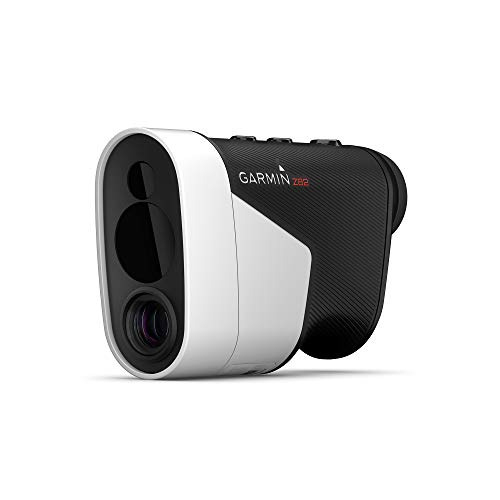
Garmin Approach Z82
Combines laser rangefinder with GPS for full hole mapping. Full-color 2D course view with wind speed and direction. Excellent for strategy.
Reasons to buy
- Integrated GPS with over 41,000 courses
- Wind speed and direction data
- Full-color display with hole overlays
Reasons to avoid
- Expensive
- Heavier than standard rangefinders

Precision Pro NX9
Affordable with excellent accuracy and slope function. Pulse Vibration confirms target lock. Lightweight and easy to use.
Reasons to buy
- Great price-to-performance ratio
- Reliable slope adjustment
- Vibration lock indicator
Reasons to avoid
- Battery life could be better
- No tripod mount

Nikon Coolshot Pro Stabilized
Built-in image stabilization reduces hand shake for steady targeting. Hyper Read technology provides fast readings. Ideal for shaky hands.
Reasons to buy
- Excellent image stabilization
- Fast and accurate readings
- Compact and lightweight
Reasons to avoid
- Higher price for stabilization feature
- Slope version not legal for tournament play

Callaway 300 Pro
Affordable yet accurate with slope switch. Easy one-button operation. Good build quality for the price.
Reasons to buy
- Very affordable
- Simple to use
- Slope on/off switch for tournament legality
Reasons to avoid
- Slower target acquisition
- Limited range compared to premium models

Leupold GX-5i3
Premium optical quality with excellent clarity and brightness. Prism Lock technology ensures accurate distance. Compact and rugged.
Reasons to buy
- Superior lens clarity and brightness
- Fast and precise distance reading
- Compact and durable design
Reasons to avoid
- Expensive
- No Bluetooth connectivity

Bushnell Tour V6 Shift
Legal for tournament use with slope off. JOLT technology confirms flag lock. Compact and easy to carry.
Reasons to buy
- Tournament legal with slope off
- JOLT vibration for target lock
- Compact and lightweight
Reasons to avoid
- Battery life could be improved
- No GPS features
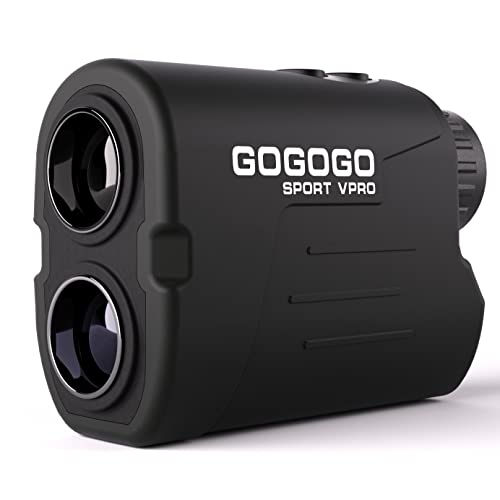
Gogogo Sport Vpro
Incredible value with slope compensation and flag lock. Clear display and comfortable grip. Good for beginners.
Reasons to buy
- Very low price
- Includes slope function
- Comfortable ergonomic design
Reasons to avoid
- Build quality not as premium
- Range limited to 650 yards

Blue Tees Series 3 Max
Sleek design with magnetic cart mount. Slope switch and pulse vibration. Good accuracy for the price.
Reasons to buy
- Magnetic cart mount included
- Attractive design
- Reliable slope adjustment
Reasons to avoid
- Occasional difficulty locking onto flag
- Not as durable as higher-end models

TecTecTec VPRO500
One-button operation with continuous scan mode. Accurate up to 540 yards. Good entry-level option.
Reasons to buy
- Very easy to use
- Continuous scan mode
- Compact and lightweight
Reasons to avoid
- No slope adjustment
- Limited range
What to look for
Accuracy and Range
Look for a rangefinder with +/- 1 yard accuracy and sufficient range for your typical course. Most courses require at least 500 yards, but longer ranges help with practice and long par 5s.
Slope Compensation
Slope-adjusted distance accounts for elevation changes. If you play on hilly courses, this feature is valuable. However, slope is not allowed in tournament play unless switchable.
Ease of Use and Speed
Fast target acquisition and clear display are crucial. Features like vibration lock (JOLT) or image stabilization can help, especially in windy conditions or for those with unsteady hands.
Durability and Battery Life
A water-resistant build and long battery life ensure your device lasts through many rounds. Consider models with rechargeable batteries or easy-to-find CR2 batteries.
Our verdict
The best golf rangefinder balances accuracy, speed, and features like slope compensation, but the right choice depends on your budget and whether you need tournament legality.
FAQs
Laser rangefinders provide exact distance to any target, while GPS gives distances to pre-mapped points like front, center, and back of greens. Lasers are more precise for specific pins or hazards, but GPS can be faster and provide course layout. Many golfers use both.
Most tournaments allow slope rangefinders only if the slope function can be turned off. Look for a model with a slope switch or a separate non-slope version. Always check the specific tournament rules.
6x to 7x magnification is standard and sufficient for golf. Higher magnification can make it harder to hold steady, while lower may not provide enough detail. Image stabilization can help with higher magnification.
Keep the lenses clean using a microfiber cloth. Store in a dry place, and remove the battery if not used for extended periods. Avoid dropping, and check for water resistance if playing in rain.
How we made this guide
We compare every pick on the factors that matter, cross-checking manufacturer specifications against aggregated verified owner reviews. We rank independently and never take payment for placement. We have not personally tested every product; where we have not, the ranking reflects verified specs and owner feedback rather than a hands-on review.
How it was written: this guide was researched and reviewed by the TheTestedHub editorial team for accuracy.
Affiliate disclosure: TheTestedHub is reader-supported. When you buy through links on our site, we may earn a commission at no extra cost to you.
Related guides

Clear Vision in the Pool: Best Swimming Goggles

Selkirk Amped S2: Best Pickleball Paddle of 2026?

Soccer Balls Experts Vouch For in 2026

Every Budget Basketball Guide: Find Your Perfect Ball

Bike Lights: How to Choose the Right One

Electric Bikes Compared: What to Ride in 2026

Buying an Inflatable Kayak? Sea Eagle 370 Pro Tops Our List