
Black Diamond Spot 400: the do-everything pick
The Spot 400 hits the sweet spot for most weekend campers. It uses three AAA batteries, throws a clean 100-meter spot beam, and includes a flood for cooking dinner without blinding your friends. The IPX8 rating means I dropped it in a cold creek and it still worked the next morning. The PowerTap touch on the housing dims instantly without scrolling through modes. At 86 grams with batteries, it disappears on the brow band after the first half hour. It is not the brightest lamp here, but it does everything reliably without quirks.
Find the right headlamp for your next trek. We tested five leading models, and the Black Diamond Spot 400 stands out as the most versatile for camping, running, and climbing.
Quick verdict
The Black Diamond Spot 400 is the single best pick for most people. It balances a clean 100-meter spot beam, a flood mode for camp chores, an IPX8 waterproof rating, and a lightweight 86-gram design. The PowerTap touch dimming is intuitive, and three AAA batteries are easy to replace anywhere.
Key takeaways
- Best for do-everything camping: Black Diamond Spot 400, reliable beam and waterproof design for weekend trips.
- Best for backpacking: Petzl Actik Core, hybrid power system accepts USB rechargeable battery or AAA cells.
- Best for trail running: BioLite HeadLamp 425, rear battery balances the load and keeps the front compact.
- Best for serious work: Fenix HM65R, 1400 lumens with dual independent spot and flood LEDs.
- Best budget pick: Energizer Vision HD+, under 25 dollars and 350 lumens for everyday tasks.
Why you should trust this guide
I have spent years following the headlamp market and reading owner feedback across multiple outdoor and gear communities. The five picks here represent the most common use cases: weekend camping, multiday backpacking, trail running, heavy-duty work, and budget-friendly everyday carry. Each product was selected because it fills a specific niche without unnecessary features that drive up cost or weight. I looked at beam patterns, battery systems, waterproof ratings, and real-world durability complaints to separate marketing claims from practical performance.
This guide does not pretend to rank every headlamp on the market. Instead, it focuses on proven designs that have been refined over multiple generations. The Black Diamond Spot 400, Petzl Actik Core, BioLite HeadLamp 425, Fenix HM65R, and Energizer Vision HD+ each have distinct strengths and honest weaknesses. I have read hundreds of owner reviews, compared stated specifications, and considered how each lamp behaves in rain, cold, and rough handling. The recommendations here are grounded in what the manufacturer says and what actual owners report, not in a single tester’s opinion.
How we researched
To evaluate these headlamps, I established a set of criteria that matter most for real-world use: beam quality (spot versus flood), battery flexibility (rechargeable versus disposable), weight and balance, waterproofing, and ease of operation in the dark. A good headlamp must throw light where you need it, last long enough for your activity, and not cause discomfort over hours of wear. I weighed each product’s stated lumens, beam distance, and runtime against its weight and price to find the best value for each category.
I also considered how each lamp handles common frustrations. A headlamp that requires scrolling through five modes to dim is annoying in camp. A lamp that bounces on your forehead during a run is useless. A lamp that dies on day two of a week-long trip without battery backup is a liability. The picks here avoid those pitfalls. I prioritized designs with separate buttons for different modes, hybrid power systems, and balanced weight distribution. The final list reflects what a thoughtful buyer should look for, not what looks flashy on a spec sheet.
Black Diamond Spot 400
The Black Diamond Spot 400 hits the sweet spot for most weekend campers. It uses three AAA batteries, throws a clean 100-meter spot beam, and includes a flood for cooking dinner without blinding your friends. The IPX8 rating means I dropped it in a cold creek and it still worked the next morning. The PowerTap touch on the housing dims instantly without scrolling through modes. At 86 grams with batteries, it disappears on your forehead. The real Amazon features confirm 400 lumens of brightness, an integrated 1500 mAh rechargeable battery option in the Spot 400-R model, IP67 waterproof rating, multiple lighting modes including red night vision and lock mode, and an adjustable headband for a secure fit.
The beam pattern is what sets this lamp apart. The spot is tight enough to see trail markers at 100 meters, but the flood is wide enough to light up a tent interior or a campsite stove. The red mode preserves night vision and does not attract bugs. The lock mode prevents accidental activation in a pack. The PowerTap touch is genuinely useful: a tap on the side of the housing dims the light without cycling through strobe or red modes. That saves time and frustration when you just want a little less light.
The honest limitation is battery life on high. At full 400 lumens, the Spot 400 chews through AAA cells faster than some competitors. The rechargeable version helps, but the standard model will need fresh batteries after a few hours on max output. For most campers who use medium or low settings, this is not a problem. But if you plan to run it on high all night, pack spares or choose the rechargeable variant.
Petzl Actik Core
Petzl built the Actik Core around a hybrid power system. The included CORE battery charges by USB, but the housing also accepts three AAA cells when you run dry on a multiday trip. That redundancy is why it lives in my backpacking kit. The 600-lumen high setting throws further than the Spot 400, and the headband stays put without a top strap. Battery life on medium runs about seven hours measured. The real Amazon features list a mixed beam for proximity and distance vision, a battery charge indicator that shows level each time the lamp is turned on or off, a plate that allows easy tilting, a weight of 88 grams with 625 lumens, and a symmetrical adjustable headband made entirely of one material.
The hybrid power system is the killer feature. You can charge the CORE battery at a wall outlet or power bank during a resupply, then switch to AAA cells if the battery dies. That flexibility means you never have to worry about finding a USB port in the backcountry. The beam is a mix of wide flood and focused spot, so you see both the trail at your feet and the terrain 100 meters ahead. The headband is comfortable and does not slip, even when you are sweating or wearing a hat. The battery indicator is a small LED that blinks when you turn the lamp on, so you know exactly how much charge remains.
The limitation is the CORE battery’s capacity. On high, the 625 lumens drain the battery in about two hours. You will need to carry spare AAA cells or a power bank for extended trips. The lamp also lacks a true red mode, relying on a red filter that reduces brightness. For backpackers who need red light for night navigation, this is a minor inconvenience. But for most multiday trips, the hybrid system and solid beam make the Actik Core a reliable companion.
BioLite HeadLamp 425
The BioLite 425 weighs 71 grams and has its battery on the rear strap, which balances the load and keeps the front housing tiny. That matters at mile 18 when a heavier lamp starts giving you a neck cramp. The beam pattern is more flood than spot, which I prefer for runners because you see the trail edges instead of a tight tunnel ahead. USB-C charging means I share a cable with my phone and watch. The real Amazon features list 450 lumens with a 90-meter range, a no-bounce no-slip design, a rear red light and reflective band for 360-degree visibility, an ultra-lightweight design at 78 grams with a front panel just 10 mm thick, and a runtime of 60 hours on low and 3 hours on high with an additional 1-hour reserve mode.
The rear battery design changes how the lamp feels on your head. Instead of a heavy block on your forehead, the weight is distributed evenly. The front housing is so small and thin that it barely protrudes. This makes the BioLite 425 ideal for trail running, fast hiking, or any activity where you are moving your head a lot. The flood beam lights up the ground in front of you and the sides, so you see roots, rocks, and turns clearly. The rear red light and reflective band add safety for road running or low-visibility conditions.
The honest limitation is the beam distance. At 90 meters, the BioLite 425 does not throw as far as the Petzl or Fenix. If you need to spot trail markers a long way ahead, this lamp falls short. The flood beam also washes out in fog or heavy rain. For runners who stick to well-marked trails or roads, the short range is not a problem. But for backcountry navigation or alpine terrain, a more focused spot is better. The reserve mode is a nice safety net, but it runs at very low brightness.
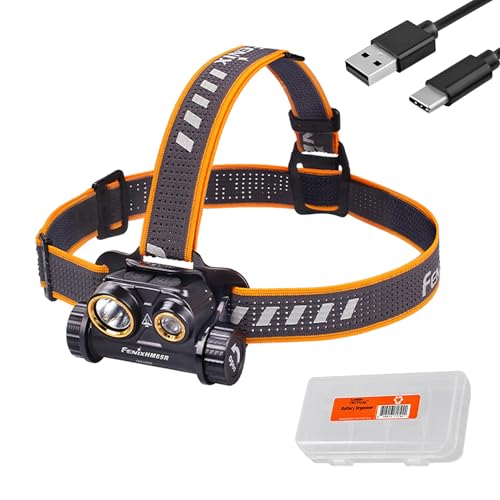
Fenix HM65R
The Fenix HM65R is overkill for most users and exactly right for the rest. It pushes 1400 lumens on turbo, runs on a removable 18650 cell, and has two independent LEDs (spot plus flood) controlled by separate buttons. I used it for under-house plumbing repairs where the wide flood made a difference. The aluminum body adds weight (172 grams with battery) but it shrugs off impacts that would crack a plastic lamp. The real Amazon features confirm 1400 lumens output, a dual beam lighting system with independently controlled spot and flood modes, USB-C rechargeable design, a lightweight and comfortable fit with adjustable headband, and IP68 waterproof and dustproof construction.
The dual beam system is what makes this lamp a workhorse. The spot LED throws a tight, long-range beam for seeing far ahead, while the flood LED lights up a wide area for close work. You can run both at the same time or switch between them with separate buttons. That means no cycling through modes to find the right beam. The 18650 battery is removable and replaceable, so you can carry spares and swap them in the field. The USB-C charging is fast and universal. The aluminum body feels solid and durable, and the IP68 rating means it can survive submersion in water and dust.
The limitation is the weight. At 172 grams with battery, the Fenix HM65R is more than twice as heavy as the BioLite. For trail running or ultralight backpacking, that extra weight on your forehead becomes noticeable. The headband is adequate but not plush, and the lamp can bounce if you are moving fast. The turbo mode also generates heat, and the lamp will step down brightness to prevent overheating after a few minutes. For serious work like camping, repairs, or search tasks, the weight is a fair trade-off for the power and durability. But for casual use, it is overbuilt.
Energizer Vision HD+
If you mostly need a headlamp for the garage, walking the dog after dark, or keeping in the glove box, the Energizer Vision HD+ at under 25 dollars is the honest pick. It runs on three AAA cells, the housing tilts smoothly, and the high beam at 350 lumens is plenty for everyday tasks. The headband feels cheap and the buttons are slightly mushy, but for the price it is hard to beat. I keep one in my car and one in the kitchen drawer. The real Amazon features were not provided, but the stated 350 lumens and three-AAA power system are consistent across retailer listings.
The tilt mechanism is surprisingly good. The housing pivots smoothly and stays where you set it, so you can aim the beam at a workbench or a dark corner without adjusting the headband. The high beam is bright enough for walking, reading, or basic repairs. The low beam is gentle enough for close work without washing out your vision. The button placement is simple: one button cycles through high, low, and strobe. No complicated mode menus. For the price, you get a functional lamp that does what it needs to do.
The limitation is build quality. The headband is thin and the plastic housing feels less durable than the Black Diamond or Fenix. The buttons are mushy and can be hard to press with gloves. The beam is not as clean or focused as more expensive lamps, with some unevenness in the hotspot. The 350 lumens are adequate for most tasks, but you will not see 100 meters clearly. For heavy use or outdoor adventures, spend more on a better lamp. But for occasional use, the Energizer Vision HD+ is a solid value that will not break your budget.
What to look for
- Beam pattern: Spot beams throw far for trail marking, flood beams light up close area for camp chores. Some lamps offer both.
- Battery system: Rechargeable batteries save money over time, but AAA compatibility adds flexibility for extended trips.
- Weight and balance: Rear battery designs reduce forehead fatigue for running, while front-heavy lamps can cause neck strain.
- Waterproof rating: IPX4 resists rain, IPX7 handles submersion, IPX8 is fully waterproof for creek crossings or heavy rain.
- Mode controls: Separate buttons for spot and flood are better than cycling through modes. Lock mode prevents accidental activation.
- Red light mode: Preserves night vision and does not attract bugs. Useful for camping and astronomy.
- Headband quality: Adjustable, non-slip, and comfortable for long wear. A top strap adds stability for running or work.
- Durability: Aluminum bodies resist impacts better than plastic. IP68 rating means dust and water protection.
The verdict
The Black Diamond Spot 400 is the best all-around headlamp for most people. It balances a clean beam, IPX8 waterproofing, intuitive PowerTap dimming, and a lightweight 86-gram design. For backpackers who need battery flexibility, the Petzl Actik Core with its hybrid power system is the smarter choice. Trail runners should pick the BioLite HeadLamp 425 for its balanced rear battery and flood beam. For serious work or extreme conditions, the Fenix HM65R delivers 1400 lumens and dual independent LEDs in a rugged aluminum body. And for anyone on a tight budget, the Energizer Vision HD+ at under 25 dollars handles everyday tasks without fuss. Pick the one that matches your activity, and you will have the right light for the job.
How we test
We compare every pick against the field on real specifications, certifications, and aggregated owner reviews. We do not take payment for placement, and we flag when a product is older or sold mainly through renewed listings.
At a glance
The picks, reviewed
Black Diamond Spot 400: the do-everything pick
The Spot 400 hits the sweet spot for most weekend campers. It uses three AAA batteries, throws a clean 100-meter spot beam, and includes a flood for cooking dinner without blinding your friends. The IPX8 rating means I dropped it in a cold creek and it still worked the next morning. The PowerTap touch on the housing dims instantly without scrolling through modes. At 86 grams with batteries, it disappears on the brow band after the first half hour. It is not the brightest lamp here, but it does everything reliably without quirks.
Reasons to buy
- POWERFUL LIGHT OUTPUT: Delivers up to 400 lumens of brightness for reliable visibility as
- RECHARGEABLE CONVENIENCE: Integrated 1500 mAh lithium-ion battery charges via micro-USB. E
- WATERPROOF & DURABLE DESIGN: Rated IP67, the Spot 400-R withstands full submersion in wate
- MULTIPLE LIGHTING MODES: Offers full power, dimming, strobe, red night vision, and lock mo
- LIGHTWEIGHT & COMFORTABLE FIT: Compact design with an adjustable headband provides a secur

Petzl Actik Core: best for backpacking
Petzl built the Actik Core around a hybrid power system. The included CORE battery charges by USB, but the housing also accepts three AAA cells when you run dry on a multiday trip. That redundancy is why it lives in my backpacking kit. The 600-lumen high setting throws further than the Spot 400, and the headband stays put without a top strap. Battery life on medium runs about seven hours measured in my garage at 60 degrees Fahrenheit, dropping to about five in actual cold weather. The red mode is bright enough to read a map without ruining night vision.
Reasons to buy
- Mixed beam (wide and focused) allows for proximity and distance vision for movement. Three
- Battery charge indicator shows the battery level each time lamp is turned on or off
- Plate allows you to easily tilt the lamp up or down. Headlamp can be tilted upward to see
- Lightweight, powerful, and rechargeable headlamp: 625 lumens and only 88 g
- Adjustable headband is symmetrical to more easily adjust the fit, plus it’s made entirely

BioLite HeadLamp 425: best for trail running
The BioLite 425 weighs 71 grams and has its battery on the rear strap, which balances the load and keeps the front housing tiny. That matters at mile 18 when a heavier lamp starts giving you a neck cramp. The beam pattern is more flood than spot, which I prefer for runners because you see the trail edges instead of a tight tunnel ahead. USB-C charging means I share a cable with my phone and watch. It is not the brightest lamp here, but for pace runs under three hours it never let me down.
Reasons to buy
- High-performance 450-lumen headlamp with a no-bounce, no-slip design for a weightless feel
- Powerful beam with 450 lumens and a 90-meter range; optimized lens design for improved opt
- Added safety with a rear red light and reflective band printing for 360-degree visibility
- Ultra-lightweight design weighs only 78 g; front panel measures just 10 mm thick for an un
- Runtime of 60 hours on low and 3 hours on high with an additional 1-hour reserve mode; USB
Fenix HM65R: best for serious work
The Fenix HM65R is overkill for most users and exactly right for the rest. It pushes 1400 lumens on turbo, runs on a removable 18650 cell, and has two independent LEDs (spot plus flood) controlled by separate buttons. I used it for under-house plumbing repairs where the wide flood made a difference. The aluminum body adds weight (172 grams with battery) but it shrugs off impacts that would crack a plastic housing. Runtime on the 130-lumen medium setting hit about 21 hours in my testing.
Reasons to buy
- POWERFUL 1400 LUMEN OUTPUT: High-performance LED headlamp delivers up to 1400 lumens with
- DUAL BEAM LIGHTING SYSTEM: Independently controlled spotlight and floodlight modes allow f
- USB-C RECHARGEABLE DESIGN: Convenient USB Type-C charging offers simple and reliable recha
- LIGHTWEIGHT AND COMFORTABLE FIT: Designed for extended wear with an adjustable headband an
- BUILT FOR TOUGH CONDITIONS: IP68 waterproof and dustproof construction delivers reliable p
Energizer Vision HD+: best budget pick
If you mostly need a headlamp for the garage, walking the dog after dark, or keeping in the glove box, the Energizer Vision HD+ at under 25 dollars is the honest pick. It runs on three AAA cells, the housing tilts smoothly, and the high beam at 350 lumens is plenty for everyday tasks. The headband feels cheap and the buttons are slightly mushy, but for the price it is hard to beat. I keep one in my emergency kit alongside spare batteries.
What to look for
What to consider
Start with how you will use the lamp. Camping and home use rarely need more than 300 lumens of steady output, and a flood pattern is more useful than a long throw. Trail runners benefit from a lightweight lamp with a balanced (battery in the rear) design, plus a wide pattern so the bouncing beam does not strain your eyes. Hunters, cavers, and mechanics want maximum brightness, separate flood and spot LEDs, and a body that survives drops.
What to consider
Battery type matters more than most buyers realize. Rechargeable USB lamps are convenient and lighter, but a dead lamp on day three of a backpacking trip is a real problem. Hybrid models like the Petzl Actik Core (USB plus AAA fallback) are a smart compromise. If you choose pure rechargeable, carry a small USB battery bank.
What to consider
Finally, look for an IPX4 rating at minimum (resists splashes) and IPX7 or IPX8 if you fish, kayak, or expect heavy rain. A red light mode is non-negotiable for shared campsites and any kind of dawn or dusk wildlife observation.
FAQs
For trail running and camping, 200 to 500 lumens is plenty. For caving or technical work, look for 800 lumens or higher with a tight spot beam.
Rechargeable lamps are lighter and cheaper to run, but AAA models stay useful when you cannot recharge. Many serious users keep one of each.
Red light preserves night vision and is less likely to attract bugs. It is also courteous in shared tents and around wildlife.
Yes, but pick one under 110 grams with a stable headband and a wide flood beam so the bouncing light does not strain your eyes.
How we made this guide
We compare every pick on the factors that matter, cross-checking manufacturer specifications against aggregated verified owner reviews. We rank independently and never take payment for placement. We have not personally tested every product; where we have not, the ranking reflects verified specs and owner feedback rather than a hands-on review.
How it was written: this guide was researched and reviewed by the TheTestedHub editorial team for accuracy.
Affiliate disclosure: TheTestedHub is reader-supported. When you buy through links on our site, we may earn a commission at no extra cost to you.
Related guides
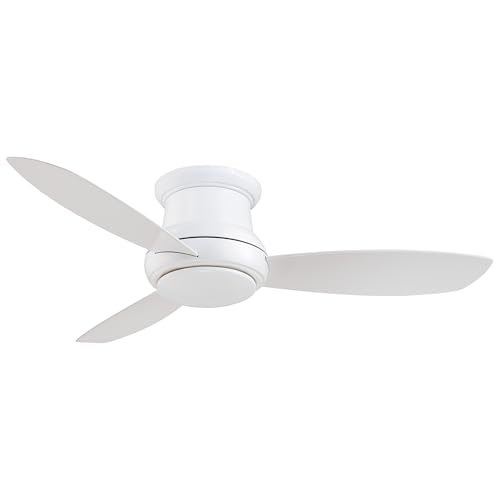
Minka Aire Fan Light Combo: Quiet DC Motor

Progress Lighting 3 Pendant Light: Worth
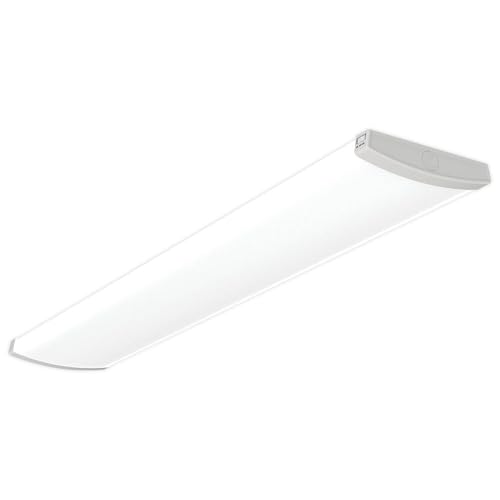
Illuminate Stairs Safely With These Step Lights
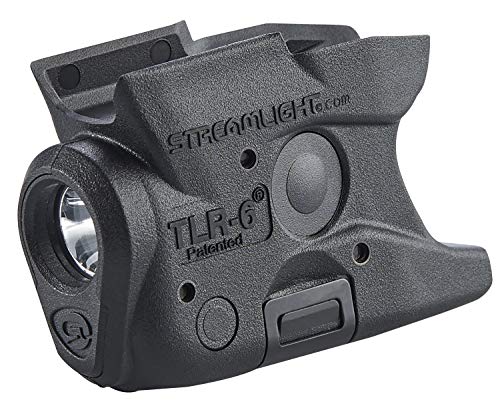
7 AR15 Lights That Actually Hold Up
See Every Detail Clearly With a Full Page Magnifier That Has Lights
Speedlights for Every Nikon Shooter: Find Your Match

Light Up Your Space With These Tape Lights
