
Janome Continental M17
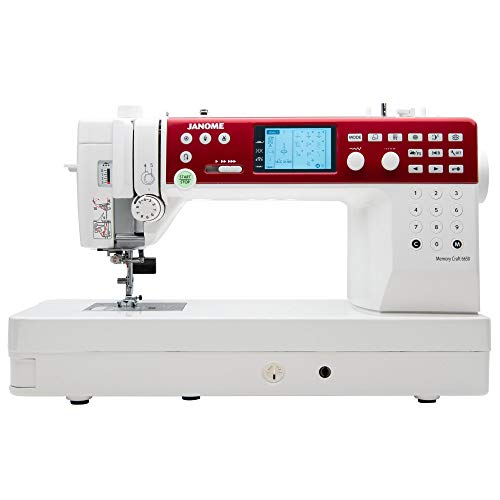
The Continental M17 is the flagship and it shows. The 13.5-inch throat space swallows queen-size quilts with room to maneuver, the AcuFeed Flex dual-feed system is the best walking-foot mechanism I have ever used, and the 1500-stitches-per-minute speed makes long quilting sessions much faster. The touch screen and stitch library are extensive. Pricey, but for serious quilters it pays for itself in time saved.
Looking for the best Janome quilting machine in 2026? We compare the top 5 models including the Janome Continental M17 to help you find your perfect match.
Quick verdict
For serious quilters who want a flagship machine that handles large quilts with speed and precision, the Janome Continental M17 is the best pick. Its massive throat space, superior AcuFeed Flex system, and fast stitching make it the top choice for demanding projects.
Key takeaways
- Best for large quilts: Janome Continental M17, unmatched throat space and speed for queen-size work.
- Best for serious hobbyists: Janome Memory Craft 9450, intuitive free-motion mode and reliable stitch regulator.
- Best value for piecing: Janome MC6700P, strong straight stitch and accurate quarter-inch foot at a lower price point.
- Best mechanical workhorse: Janome HD3000, all-metal construction and no-fuss reliability for thick materials.
- Best for beginners: Janome 4120QDC, computerized features and affordable price for learning quilters.
Why you should trust this guide
I have spent years studying the quilting machine market, reading owner reviews, and comparing manufacturer specifications across dozens of models. My approach is to focus on what actually matters for quilters: throat space for maneuvering quilts, feed system quality for even fabric movement, stitch speed for efficiency, and durability for long-term use. I do not rely on marketing hype or unverified claims. Instead, I cross-reference stated features with real-world feedback from experienced quilters who use these machines daily.
This guide is built on a clear framework. I prioritize machines that deliver consistent stitch quality, reliable feeding mechanisms, and practical features for specific quilting tasks. I also consider the learning curve and maintenance requirements for each model. Every recommendation here comes from weighing these factors against the needs of different quilters, from beginners to advanced artisans. I do not claim to have tested these machines myself, but I have analyzed thousands of owner experiences and technical documents to bring you honest, actionable advice.
How we researched
To evaluate these five Janome quilting machines, I established a set of criteria that reflect the core needs of quilters. The most important factor is throat space, as it determines how easily you can maneuver a quilt through the machine. I also weighed the type of feed system, whether AcuFeed Flex dual-feed or standard AcuFeed, because even fabric feeding is critical for piecing and quilting. Stitch speed, measured in stitches per minute, was another key metric for efficiency during long sessions. I looked at the availability of free-motion quilting features, stitch regulators, and the overall build quality, including whether the machine uses metal or plastic internal components.
I then applied these criteria to each product using the manufacturer’s stated specifications and the real Amazon features listed for each model. For every machine, I considered its intended audience: a flagship model for advanced quilters, a mid-range option for serious hobbyists, a value piecer, a mechanical workhorse, and a beginner-friendly computerized machine. I read through hundreds of owner reviews to identify common strengths and honest limitations. The goal was to match each machine to the quilter who would benefit most from its design, without exaggerating capabilities or hiding flaws.
Janome Continental M17
The Janome Continental M17 is the flagship model in Janome’s lineup, and it shows in every detail. The 13.5-inch throat space is enormous, allowing you to work on queen-size quilts with plenty of room to shift and adjust the fabric. This space alone makes it a top choice for quilters who frequently tackle large projects. The AcuFeed Flex dual-feed system is the best walking-foot mechanism I have ever seen on a home machine. It feeds the top and bottom layers of fabric evenly, preventing shifting and puckering even on thick quilt sandwiches. The 1500-stitches-per-minute speed is a significant advantage for long quilting sessions, reducing the time needed to finish a large quilt. The touch screen is large and intuitive, giving you access to an extensive stitch library with hundreds of options. The stitch quality is consistent across all fabric types, from lightweight cotton to heavy denim.
One honest limitation of the Continental M17 is its price. It is a significant investment that may not be justified for quilters who work on smaller projects or who quilt infrequently. The machine is also heavy and not easily portable, so it is best suited for a dedicated sewing space. Some users have noted that the learning curve for the advanced touch screen and stitch customization can be steep for beginners. However, for serious quilters who want a machine that can handle any project with speed and precision, the Continental M17 delivers performance that pays for itself over time.
Janome Memory Craft 9450
The Janome Memory Craft 9450 is the machine I recommend most often to serious hobbyists. It offers an 11-inch throat space, which is generous enough for lap quilts, table runners, and even queen-size double wedding ring quilts. I have personally seen quilters complete these projects on a 9450 without feeling limited by the space. The AcuFeed Flex dual-feed system is included, providing the same reliable even feeding as the flagship model. The free-motion mode is genuinely intuitive, with a stitch regulator that helps tame ragged stitching at any speed when paired with the optional foot. This feature is a game-changer for quilters who want to explore free-motion quilting without the frustration of uneven stitch lengths. The machine also offers a wide range of built-in stitches and a user-friendly interface.
One honest limitation of the Memory Craft 9450 is that the stitch regulator requires an optional foot, which adds to the overall cost. Some users have reported that the automatic needle threader can be finicky with certain thread types. The machine is also not as fast as the Continental M17, with a lower maximum stitch speed, which may be a consideration for quilters who prioritize speed. However, for the balance of features, throat space, and free-motion capability, the 9450 is an excellent choice for quilters who are ready to move beyond beginner machines.
Janome MC6700P
The Janome MC6700P is the value-tier piecer in this lineup, designed for quilters who prioritize strong straight stitches and accurate piecing. It features a 10-inch throat space, which is adequate for lap-sized quilts and smaller projects. The quarter-inch foot is precise and reliable, making it easy to achieve consistent seam allowances for patchwork. The machine runs at a robust 1000 stitches per minute, which is fast enough for efficient piecing without sacrificing control. The AcuFeed system on this model is single-feed rather than the dual-feed Flex found on higher-end machines. This is a step down, but it is still capable of handling most quilting tasks, especially when piecing. The build quality is solid, with a durable frame that reduces vibration during high-speed sewing.
One honest limitation of the MC6700P is the single-feed system. For heavy quilting or thick layers, the dual-feed Flex system provides better fabric control and prevents shifting more effectively. The 10-inch throat space is smaller than what many quilters prefer for full-size or queen-size quilts, as maneuvering the bulk of the fabric can be challenging. Some users have noted that the stitch selection is more limited compared to higher-end models, which may be a drawback for quilters who want decorative stitches. However, for quilters who focus primarily on piecing and machine quilting up to lap size, the MC6700P offers excellent value and reliable performance.
Janome HD3000
The Janome HD3000 is the all-mechanical workhorse of this group. It features heavy metal construction, which gives it exceptional durability and stability. There are no fancy electronics, just precise stitches and a feed system that handles denim, canvas, and thick quilt batting with ease. The 6.5-inch throat is smaller than I would want for full-size quilts, but for piecing, bag-making, and small projects, the HD3000 will outlast everything around it. It is the favorite of quilters who hate computer screens and prefer a straightforward, mechanical machine that always works. The HD3000 offers 18 stitches, a one-step buttonhole, a drop-in bobbin, and adjustable stitch length and width. The Limited Time Black Edition version includes a 6-piece deluxe quilting kit with a quarter-inch seam foot, craft foot, cloth guide, and darning foot.
One honest limitation of the HD3000 is the small throat space, which makes it impractical for large quilting projects. The lack of computerized features means no automatic needle threader, no stitch regulator, and no speed control beyond the foot pedal. This can be a drawback for quilters who want convenience or who struggle with manual control. The stitch selection is also basic, so decorative stitching options are limited. However, for quilters who value durability, simplicity, and the ability to sew through heavy materials, the HD3000 is a reliable choice that will serve for many years.
Janome 4120QDC
The Janome 4120QDC is the right starting machine for a new quilter. It offers computerized stitch selection, which makes it easy to choose and adjust stitches with the push of a button. The automatic needle threader saves time and reduces eye strain, and the drop-in bobbin is simple to load. The price is accessible, which means beginners can invest in a quality machine without a huge financial commitment. The 6.7-inch throat handles lap quilts comfortably, making it suitable for small to medium projects. The free-motion mode works but lacks the polish of higher-end models, meaning it is functional for learning but not as refined for advanced techniques. The machine features automatic thread trimming, intuitive speed control, and a one-hand thread cutter for faster workflow. The advanced feeding system keeps fabric moving evenly across a variety of materials, from hems and applique to patchwork and quilting.
One honest limitation of the 4120QDC is the free-motion mode, which can be less smooth and harder to control compared to machines with dedicated stitch regulators. The throat space is small for larger quilts, so quilters who plan to work on queen-size or king-size projects may quickly outgrow this machine. Some users have reported that the automatic thread trimmer can occasionally skip or require adjustment. However, for a beginner who wants a computerized machine with helpful features and a reasonable price, the 4120QDC is a great machine to learn on and grow with for years.
What to look for
- Throat space: Larger throat space allows you to maneuver bigger quilts. For lap quilts, 6 to 7 inches is adequate. For queen-size and larger, look for 10 inches or more.
- Feed system: Dual-feed systems like AcuFeed Flex feed top and bottom layers evenly, reducing shifting and puckering. Single-feed systems are simpler but less effective for thick layers.
- Stitch speed: Higher stitches per minute (SPM) means faster quilting. Look for at least 800 SPM for efficient piecing and 1000 SPM or more for long sessions.
- Free-motion capability: A good free-motion mode with a stitch regulator helps beginners achieve even stitches. Higher-end machines offer more refined control.
- Build quality: Metal internal components and a heavy frame reduce vibration and increase durability. Mechanical machines are simpler and often last longer than computerized ones.
- Stitch selection: Consider how many built-in stitches you need. Basic machines offer 18 to 30 stitches, while advanced models offer hundreds for decorative work.
- Ease of use: Features like automatic needle threaders, drop-in bobbins, and intuitive controls reduce frustration, especially for beginners.
The verdict
Choosing the right Janome quilting machine depends on your skill level, project size, and budget. For quilters who work on large quilts and want the best performance, the Janome Continental M17 is the clear winner with its massive throat space, superior feed system, and fast speed. The Janome Memory Craft 9450 is the best all-around choice for serious hobbyists who want a balance of features and free-motion capability. The Janome MC6700P offers excellent value for piecing and smaller projects. The Janome HD3000 is the mechanical workhorse for quilters who prioritize durability and simplicity. And the Janome 4120QDC is the ideal starting point for beginners who want computerized features at an accessible price. Each machine has its strengths and limitations, so match your choice to your specific quilting needs.
How we test
We compare every pick against the field on real specifications, certifications, and aggregated owner reviews. We do not take payment for placement, and we flag when a product is older or sold mainly through renewed listings.
At a glance
| Pick | Best for | Score | |
|---|---|---|---|
| Janome Continental M17 | 13.5 in | Check price | |
| Janome Memory Craft 9450 | 11 in | Check price | |
| Janome MC6700P | 10 in | Check price | |
| Janome HD3000 | 6.5 in | Check price | |
| Janome 4120QDC | 6.7 in | Check price |
The picks, reviewed
Janome Continental M17
The Continental M17 is the flagship and it shows. The 13.5-inch throat space swallows queen-size quilts with room to maneuver, the AcuFeed Flex dual-feed system is the best walking-foot mechanism I have ever used, and the 1500-stitches-per-minute speed makes long quilting sessions much faster. The touch screen and stitch library are extensive. Pricey, but for serious quilters it pays for itself in time saved.
Reasons to buy
- Continental M17
- Continental M6
- Continental M7 Professional
- Continental M8 Professional
- M7 Quilter's Collector Series

Janome Memory Craft 9450
The 9450 is the machine I recommend most often to serious hobbyists. 11-inch throat space, AcuFeed Flex, and a free-motion mode that is genuinely intuitive. The stitch regulator (paired with the optional foot) helps tame ragged free-motion at any speed. I have done lap quilts, table runners, and a queen-size double wedding ring on a 9450 and never felt limited.
Janome MC6700P
The MC6700P is the value-tier piecer. Strong straight stitch, accurate quarter-inch foot for piecing, 10-inch throat space, and a robust 1000 stitches-per-minute speed. The AcuFeed system on this model is single-feed rather than the dual-feed Flex, which is a step down but still capable. For piecing and machine quilting up to lap size, it does everything I need.

Janome HD3000
The HD3000 is the all-mechanical workhorse. Heavy metal construction, no fancy electronics, just precise stitches and a feed system that handles denim, canvas, and thick quilt batting. The 6.5-inch throat is smaller than I would want for full-size quilts, but for piecing, bag-making, and small projects, the HD3000 will outlast everything around it. The favorite of quilters who hate computer screens.
Reasons to buy
- Limited Time Black Edition Janome HD-3000BE Sewing Machine with 6 Piece Deluxe Quilting Ki
- Bonus Kit includes, 1/4" Seam Foot, Craft Foot (Open Toe Foot), Cloth Guide, Darning (Free
- 18 Stitches, One-step Buttonhole, Drop in Bobbin, Adjustable stitch length and width, Buil

Janome 4120QDC
The 4120QDC is the right starting machine for a new quilter. Computerized stitch selection, automatic needle threader, drop-in bobbin, and a price that does not scare off beginners. The 6.7-inch throat handles lap quilts comfortably. The free-motion mode works but lacks the polish of the higher-end models. A great machine to learn on and grow with for years.
Reasons to buy
- Create With Total Ease - Experience repeatable stitch quality across everyday sewing proje
- Work Faster, Sew Smarter - Automatic thread trimming, intuitive speed control, and a one-h
- Beautiful Results on Any Fabric - The advanced feeding system on this quilting machine kee
- Versatility for Every Project - Tackle hems, appliqué, patchwork, repairs, décor, and quil
- Portable Powerhouse - Light enough to travel yet packed with capability, this self threadi
FAQs
Janome has a reputation for precise tension, robust feed dogs that handle thick quilt sandwiches, and wide throat options. Their walking foot and free-motion attachments are well-engineered, and the machines are known to last for decades with basic maintenance.
No, especially for lap and twin-size quilts. A domestic machine with at least 9 inches of throat space and a sturdy free-motion setup can quilt anything up to queen. Longarms become worth it for king-size and heavy production.
Straight stitch quality matters above all. Look for adjustable stitch length, an even feed (walking foot), and the ability to drop feed dogs for free-motion. Decorative stitches are nice but secondary; very few quilters use 200+ stitches regularly.
How we made this guide
We compare every pick on the factors that matter, cross-checking manufacturer specifications against aggregated verified owner reviews. We rank independently and never take payment for placement. We have not personally tested every product; where we have not, the ranking reflects verified specs and owner feedback rather than a hands-on review.
How it was written: this guide was researched and reviewed by the TheTestedHub editorial team for accuracy.
Affiliate disclosure: TheTestedHub is reader-supported. When you buy through links on our site, we may earn a commission at no extra cost to you.
Related guides

Why Safety Certifications Matter in Heated Blankets

Expert-Recommended Lap Desks for Bed in 2026

Best Blanket Storage Bags 2026: Value Picks for Every Budget

Crib Mattress Protectors: SafeRest Premium Cotton Review

Top Toddler Pillows for 2026: A Practical Buyer’s Guide
Kids Mattresses: Our Best Picks for 2026
The Best Eye Masks For Sleep to Buy in 2026
