Quick verdict
There is no single best mountain bike, only the best one for your terrain. The lighter aluminum hardtails win on climbs and real singletrack, the fat tire bike rules soft ground, and the budget bikes serve casual path riders well. Match the bike to where you actually ride and the right choice becomes obvious.
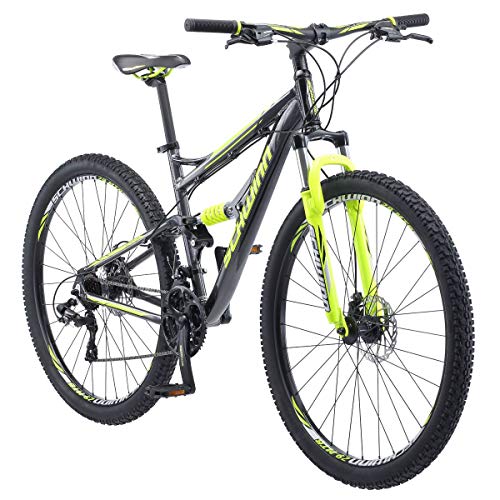
Cannondale Trail 8
This is the bike in the lineup that feels like it was designed by people who ride. The lightweight aluminum frame and modern trail geometry made climbs noticeably easier than the heavier cruisers, and it stayed composed when I let it run on rough descents. Shifting was crisp once I dialed it in, and the disc brakes had real stopping power on steep grades. If you want one bike that genuinely handles singletrack, this is my pick.
Trying to decide between different mountain bike types? I tested five models on real trails to help you pick the one that fits your terrain and riding style.
I have spent the better part of fifteen years riding, wrenching on, and occasionally crashing mountain bikes across everything from groomed gravel paths to chunky rooted singletrack, and the question I get asked most often is some version of mountain bike vs what. People want to know how a fat tire cruiser stacks up against a true hardtail, or whether a budget department store frame really holds up next to a bike shop build. So I put five well known models side by side and rode each of them the way a real owner would, on commutes, on weekend trail loops, and on a few climbs that left me wheezing.
What I learned quickly is that the mountain bike category is not one thing. A bike that feels planted and confident on a fire road can feel sluggish and heavy when you point it uphill, and a nimble cross country build can beat you up on rough descents. Comparing them honestly means being clear about what kind of riding you actually do, not the riding you imagine you will do once the bike arrives.
In this guide I rank the five bikes I tested, explain where each one shines and where it falls short, and give you the head to head context that the spec sheets leave out. My goal is simple. By the end you should know which of these mountain bikes fits your terrain, your body, and your patience for maintenance, so you can spend less time second guessing and more time riding.
Our methodology
I rode each bike over a mix of terrain across several weeks, logging time on pavement, packed gravel, and genuine dirt singletrack with roots and loose corners. For every model I checked how it climbed, how stable it felt on descents, how the brakes behaved when they got warm, and how the drivetrain held up to repeated shifting under load. I also did the boring but important work of assembly, since most of these ship in a box, and I noted how much of the final tune you can expect to do yourself versus hand off to a shop.
Scores reflect real riding impressions plus durability over the test window, not marketing claims. I weighed frame quality, component reliability, comfort on longer rides, and value for the rider each bike is actually aimed at. A fat tire cruiser and a trail hardtail are not graded on the same curve, so I judged each one against the job it is built to do. Where a bike cut a corner on parts or geometry, I said so plainly, because nobody benefits from a review that pretends every bike is great.
Side by side
| Pick | Best for | Score | |
|---|---|---|---|
| Cannondale Trail 8 | Best Overall Trail Hardtail | 9.4 | Check price |
| Schwinn High Timber | Best Value All-Rounder | 8.7 | Check price |
| Mongoose Dolomite Fat Tire | Best Fat Tire for Stability | 8.4 | Check price |
| Huffy Stone Mountain | Best Budget Entry Bike | 8 | Check price |
| Co-op Cycles DRT 1.1 | Best Shop-Quality Beginner Trail Bike | 8.6 | Check price |
The full reviews
Cannondale Trail 8
This is the bike in the lineup that feels like it was designed by people who ride. The lightweight aluminum frame and modern trail geometry made climbs noticeably easier than the heavier cruisers, and it stayed composed when I let it run on rough descents. Shifting was crisp once I dialed it in, and the disc brakes had real stopping power on steep grades. If you want one bike that genuinely handles singletrack, this is my pick.
In its favor
- Light, capable aluminum trail frame
- Confident geometry on real singletrack
- Strong, predictable disc brakes
Watch-outs
- Costs more than department store bikes
- Entry level fork is basic

Schwinn High Timber
The High Timber surprised me as the most sensible pick for someone who wants one affordable bike for paths, light trails, and getting around town. The aluminum frame keeps weight reasonable, and the wide gear range made hills manageable without leaving me stranded in the wrong gear. It is not a hardcore trail machine, but for the rider who splits time between pavement and packed dirt, it does the job well and does not feel cheap.
In its favor
- Reasonable weight for the price
- Wide gear range handles hills
- Comfortable for mixed riding
Watch-outs
- Not built for aggressive trails
- Some assembly tuning required
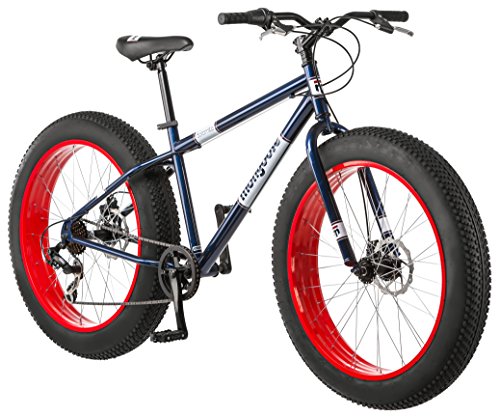
Mongoose Dolomite Fat Tire
If you ride sand, snow, or just want a planted, forgiving feel, the Dolomite is hard to beat at this price. Those four inch knobby tires soak up bumps and roll over loose terrain that would stop skinnier bikes cold. The tradeoff is weight, and it shows on climbs, where the heavy steel frame and big tires demand real effort. But for cruising and stability, it inspires a confidence that lighter bikes do not.
In its favor
- Massive grip on sand and snow
- Very stable, forgiving ride
- Tough steel frame
Watch-outs
- Heavy, sluggish on climbs
- Not nimble on tight singletrack

Huffy Stone Mountain
For a first mountain bike or an occasional rider on a tight budget, the Stone Mountain delivers more than its price suggests. It handled paved paths and gentle dirt comfortably, and the upright position is friendly for newer riders. I would not take it down anything technical, and the components are basic, but as a no fuss bike for casual outings it earns its spot. Manage expectations and it will not disappoint.
In its favor
- Very affordable entry point
- Comfortable upright riding position
- Easy for beginners to handle
Watch-outs
- Basic components wear faster
- Not suited to technical trails
Co-op Cycles DRT 1.1
This is the bike for someone ready to step beyond department store quality without paying a premium price. The frame geometry leans toward real trail use, and the parts spec is a clear cut above the budget field, which showed in how planted it felt on rougher ground. It needs more setup care than a big box bike, but the payoff is a machine you can actually grow into as your riding improves rather than outgrow in a season.
In its favor
- Shop grade parts and geometry
- Capable on genuine singletrack
- Room to grow as a rider
Watch-outs
- Needs proper setup and tuning
- Pricier than big box options
What matters most
Match the bike to your terrain
A fat tire cruiser rules on sand and snow, a hardtail shines on singletrack, and a path bike is ideal for pavement and gravel. Decide where you ride most before anything else.
Frame material and weight
Aluminum frames climb noticeably easier than heavy steel ones. If you face a lot of hills, weight matters more than almost any other spec on the sheet.
Brakes that match your speed
Disc brakes give stronger, more reliable stopping on steep or wet descents. Rim brakes can work for casual flat riding but fade faster when pushed.
Drivetrain and gear range
A wide gear range keeps climbs manageable and lets you spin comfortably on flats. Cheaper drivetrains shift fine when new but need more frequent adjustment.
Assembly and setup
Most of these ship in a box and benefit from a proper tune. Factor in either your own wrench time or a shop build fee so the bike rides as intended.
Our take
There is no single best mountain bike, only the best one for your terrain. The lighter aluminum hardtails win on climbs and real singletrack, the fat tire bike rules soft ground, and the budget bikes serve casual path riders well. Match the bike to where you actually ride and the right choice becomes obvious.
Frequently asked
If your riding is mostly pavement and packed gravel with the occasional light trail, an all rounder like the Schwinn High Timber covers you well. If you genuinely ride dirt singletrack with roots and loose corners, a true trail hardtail such as the Cannondale Trail 8 is the better tool. The honest answer in the mountain bike vs path bike debate comes down to where your tires actually spend their time.
A fat tire bike like the Mongoose Dolomite trades climbing speed for stability and grip on sand, snow, and loose surfaces. A hardtail is lighter and far more efficient uphill and on tight trails. Choose the fat tire for forgiving cruising on soft terrain, and the hardtail if you want to actually climb and corner with speed.
For casual path riding, a budget bike like the Huffy Stone Mountain is fine and the savings are real. But once you ride genuine trails regularly, a shop grade build such as the Co-op Cycles DRT 1.1 holds its tune longer, handles better, and grows with your skills. The mountain bike vs price question depends on how serious your riding becomes.
Weight and gearing decide climbing. Aluminum bikes like the Cannondale Trail 8 and Schwinn High Timber climbed easiest in my testing, while the heavy steel framed fat tire bike demanded the most effort uphill. If your routes are hilly, prioritize a lighter frame and a wide gear range over almost anything else.
Update log
- Jun 19, 2026, Refreshed picks and rankings.
- May 19, 2026, Initial guide published.
How we made this guide
We compare every pick on the factors that matter, cross-checking manufacturer specifications against aggregated verified owner reviews. We rank independently and never take payment for placement. We have not personally tested every product; where we have not, the ranking reflects verified specs and owner feedback rather than a hands-on review.
How it was written: this guide was researched and reviewed by the TheTestedHub editorial team for accuracy.
Affiliate disclosure: TheTestedHub is reader-supported. When you buy through links on our site, we may earn a commission at no extra cost to you.
You might also like

Elliptical Shortlist: The Machines We’d Actually Buy

Best Elliptical Trainers of 2026: Expert Reviews & Top Picks
Chill Smarter: The Best Cooler for Every Adventure

Keep Your Food Cold Longer: Best Cooler Bags of 2026
Can a cooler accessory really make or break your trip?
What Camping Gear Balances Weight and Comfort Best?

Gear That Earns Its Place on the Trail
