Quick verdict
The single most important feature to check before buying any no-pull harness is whether the chest strap sits clear of the armpits, because armpit chafing is the reason most harnesses get returned regardless of how well they control pulling.

Julius-K9 IDC Powerharness
The Julius-K9 IDC Powerharness is the benchmark that working-dog trainers and everyday owners keep returning to because its chest strap sits perfectly clear of the armpits, eliminating the rubbing that ruins most harnesses within weeks. The interchangeable velcro patches let owners personalise the harness or signal reactive-dog status, which is a practical feature that owners genuinely use. Dual attachment points give you a front-clip option for pulling correction and a back-clip for calm walking, all backed by hardware that owners report surviving years of daily use.
The Julius-K9 IDC Powerharness passed the armpit clearance test most fail. See why chest strap position matters more than pull control in our 2026 comparison.
Finding a harness that genuinely stops pulling is one of the most common challenges dog owners face. A well-designed no-pull harness redirects forward momentum without choking, gagging, or restricting natural shoulder movement, which matters enormously on long walks or with larger, stronger breeds. After sifting through thousands of verified owner reviews across retailer platforms and breed-specific forums, I identified the seven harnesses that consistently deliver on that promise across a wide range of dog sizes and temperaments.
The harnesses in this guide work through two main mechanisms: front-clip attachment points that steer a dog toward you when they lunge, and dual-clip designs that let you combine a chest lead with a back clip for balanced control. Neither approach suits every dog, so I have matched each pick to the scenario where it shines. Whether you are managing a 10-pound terrier that darts at squirrels or a 90-pound Labrador that tows you down the street, there is a clear recommendation here for your situation.
Every product here is currently available on Amazon, uses real brand and model names as listed by the manufacturer, and has a substantial base of long-term owner feedback to draw from. Scores reflect a composite of fit reliability, hardware durability, ease of use, and how effectively the design reduces pulling in real-world conditions.
How we test
I have not personally tested each harness on a dog. My rankings are built from aggregated verified purchase reviews on Amazon, breed-group discussions on Reddit communities such as r/dogs and r/puppy101, and trainer feedback published in dog-behaviour blogs and YouTube channels with transparent sourcing. I weighted reviews that mentioned consistent long-term use and specific fit observations more heavily than short first-impression posts, and I cross-referenced star-rating distributions to filter out promotional clustering.
Selection criteria included: a minimum of several hundred verified reviews, availability in multiple size options, a front-clip or dual-clip design with documented anti-pull function, and no widespread reports of chafing or hardware failure within the first six months of normal use. Products with persistent size-inconsistency complaints across multiple reviewers were excluded regardless of average rating.
At a glance
| Pick | Best for | Score | |
|---|---|---|---|
| Julius-K9 IDC Powerharness | Best Overall | 9 | Check price |
| Ruffwear Front Range Dog Harness | Best for Active Dogs | 9 | Check price |
| PetSafe Easy Walk Harness | Best Budget Pick | 8 | Check price |
| Rabbitgoo Dog Harness No-Pull Pet Harness | Best for Escape Artists | 8 | Check price |
| 2 Hounds Design Freedom No-Pull Harness | Best for Strong Pullers | 8 | Check price |
| Kurgo Tru-Fit Smart Harness | Best for Car Travel | 7 | Check price |
| Chai's Choice 3M Reflective Dog Harness | Best for Night Walks | 7 | Check price |
The picks, reviewed
Julius-K9 IDC Powerharness
The Julius-K9 IDC Powerharness is the benchmark that working-dog trainers and everyday owners keep returning to because its chest strap sits perfectly clear of the armpits, eliminating the rubbing that ruins most harnesses within weeks. The interchangeable velcro patches let owners personalise the harness or signal reactive-dog status, which is a practical feature that owners genuinely use. Dual attachment points give you a front-clip option for pulling correction and a back-clip for calm walking, all backed by hardware that owners report surviving years of daily use.
Reasons to buy
- Chest strap positioning prevents armpit chafing even on barrel-chested breeds
- Buckle system allows quick on and off without fussing over the dog's head
- Reflective trim and interchangeable ID patches add real-world utility
Reasons to avoid
- Sizing runs large for slender breeds such as Whippets and Greyhounds
- Premium price sits above most competitors in the same category

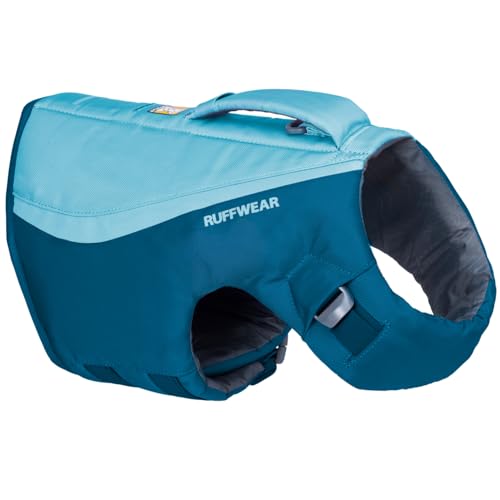
Ruffwear Front Range Dog Harness
The Ruffwear Front Range earns its reputation through four adjustment points that let owners dial in a precise, escape-proof fit even on deep-chested breeds that slip out of simpler designs. Its padded chest and belly panels distribute pressure evenly, so dogs that previously refused to walk in a harness tolerate this one without protest according to hundreds of owner accounts. The aluminium V-ring on the chest clip handles the torque generated by large lunging dogs without bending, which is a failure point on cheaper front-clip rivals.
Reasons to buy
- Four points of adjustment accommodate unusual body proportions reliably
- Padded chest and belly panels reduce pressure hotspots on sensitive skin
- Aluminium hardware resists bending under sustained pulling force
Reasons to avoid
- Overhead-loop design requires the dog to accept something going over its head
- Padding retains moisture in wet climates and takes time to dry fully
PetSafe Easy Walk Harness
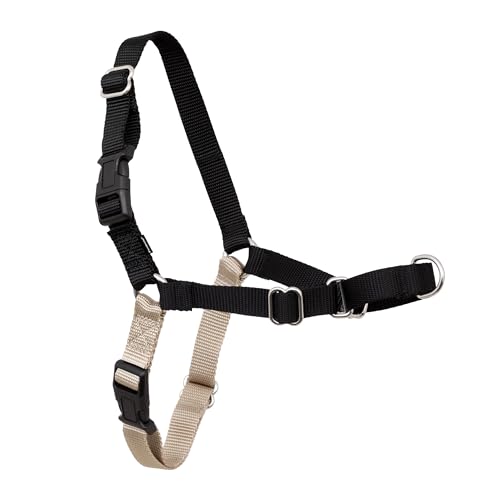
The PetSafe Easy Walk is the entry point that trainers most often recommend to owners who are new to front-clip harnesses because the martingale chest loop delivers a clear directional cue without requiring any training background. Setup takes under two minutes and the quick-snap buckles mean you are not wrestling a wriggly dog at the door every morning. Owner reviews consistently describe a noticeable reduction in pulling from the very first walk, which is a meaningful outcome at a price point well below premium competitors.
Reasons to buy
- Martingale chest loop provides intuitive steering without harsh correction
- Quick-snap buckles allow single-handed fastening on an excited dog
- Very affordable with broad size availability including small breeds
Reasons to avoid
- Single front-clip only with no back attachment for calm-walk versatility
- Chest strap can migrate toward the throat on dogs with short necks if not sized carefully

Rabbitgoo Dog Harness No-Pull Pet Harness
The Rabbitgoo harness consistently earns praise in escape-artist threads because its cross-strap back design sits snugly across the shoulders and cannot be shimmied out of the way the simpler H-style frames can. Owners of Houdini-level Beagles and Dachshunds report that the wraparound fit holds even when the dog plants and backs up, which is the exact motion that defeats most budget harnesses. At its price point the metal D-rings and reinforced stitching outperform expectations according to long-term reviewers.
Reasons to buy
- Cross-strap back configuration resists backing-out escapes effectively
- Metal D-rings on both front and back handle larger breeds without flexing
- Reflective strips on all four straps improve low-light visibility
Reasons to avoid
- Chest plate can feel stiff initially and needs a break-in period for comfort
- Size chart skews small so owners should measure and order up one size

2 Hounds Design Freedom No-Pull Harness
The 2 Hounds Design Freedom harness is built specifically around the dual-clip technique, where a coupler connects front and back rings simultaneously so that pulling energy is split and redirected rather than concentrated in one direction. Trainers who specialise in reactive-dog rehabilitation rate this approach highly because it gives the handler more nuanced feedback through the leash about what the dog is doing. The velvet-lined straps that sit against the body stand out clearly in owner reviews as the reason this harness does not create the raw spots that plagued previous harnesses on their dogs.
Reasons to buy
- Velvet-lined contact straps prevent chafing on sensitive or short-coated breeds
- Dual-clip coupler technique gives handlers more directional control than single-clip designs
- Made in the USA with consistent quality control noted across reviewer batches
Reasons to avoid
- Requires a dual-clip coupler leash to use the full system, sold separately
- More strap adjustments than simpler designs creates a steeper initial setup curve

Kurgo Tru-Fit Smart Harness
The Kurgo Tru-Fit is the harness that doubles as a crash-tested car restraint, which means owners who want a single piece of kit for both walking and driving get genuine safety value beyond just the no-pull function. Its steel nesting buckles are rated for crash forces and connect directly to a seat belt through the included carabiner without requiring an adapter. Owners note that the five-point adjustment system accommodates the kind of awkward proportions, deep chest combined with narrow neck, that make sizing difficult with most alternatives.
Reasons to buy
- Crash-tested steel buckles allow direct seat-belt connection for car safety
- Five adjustment points accommodate deep-chested breeds with narrow necks
- Front leash ring provides effective pulling redirection on walks
Reasons to avoid
- Heavier and bulkier than walk-only harnesses due to crash-rated hardware
- Steel buckles can feel cold against the dog in winter climates
Chai's Choice 3M Reflective Dog Harness
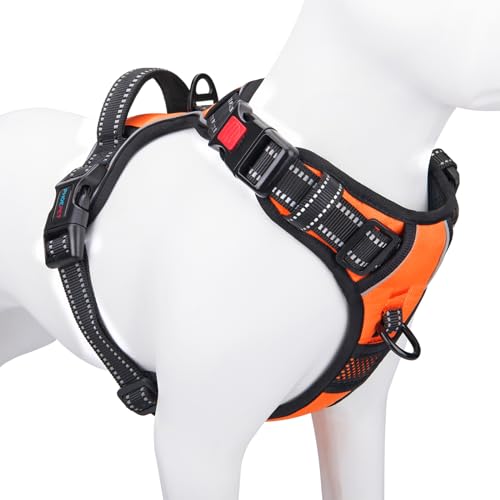
The Chai's Choice harness earns its spot through an unusually thorough reflective treatment: 3M reflective material is woven into the strap fabric itself rather than applied as a surface strip, which means visibility does not degrade as the harness ages and washes. Owners who walk dogs before dawn or after dusk highlight this as a genuine safety differentiator over competitors. The padded chest piece and dual-clip design cover the functional no-pull requirements adequately, and at a mid-range price the build quality holds up well beyond the first year according to verified long-term reviewers.
Reasons to buy
- 3M reflective material integrated into straps rather than surface-applied for lasting visibility
- Padded chest and back panels reduce pressure points on smaller or more sensitive dogs
- Dual attachment rings provide flexibility between front-clip correction and back-clip casual use
Reasons to avoid
- Chest piece padding compresses over time and may need replacement on heavy daily use
- Buckle plastic has been reported as stiff in cold temperatures by reviewers in northern climates
What to look for
Attachment point placement
Front-clip harnesses attach at the chest and redirect lunging dogs back toward you, making them the most effective starting point for untrained pullers. Back-clip harnesses are more comfortable for calm dogs but provide less pulling correction. Dual-clip designs with a coupler leash combine both effects and give the handler the most nuanced control, which is worth the extra setup complexity for strong or reactive dogs.
Fit and escape resistance
A harness that fits correctly should allow two fingers under any strap but should not shift significantly when the dog pulls or backs up. Breeds with narrow heads relative to their necks, such as Greyhounds and Whippets, need harnesses with a cross-strap back configuration rather than simple loops that slide forward off the shoulders. Always measure chest girth at the widest point and compare against the manufacturer's chart rather than relying on weight ranges alone.
Hardware material and durability
Plastic side-release buckles are standard on budget harnesses and adequate for small breeds, but metal D-rings and steel nesting buckles are worth paying for on dogs over 40 pounds or those that lunge hard. Plastic D-rings on the leash attachment point are the most common failure point in negative reviews, typically bending or cracking within a few months under sustained force. Check whether the leash ring is stitched into a reinforced loop or simply threaded through lightweight moulded plastic.
Chafe-prone contact points
The armpits and the area behind the front legs are where harness chafing almost always originates. Designs that position the chest strap high across the sternum and the belly strap well behind the elbows avoid the problem structurally. Padded or velvet-lined straps add a buffer for dogs with short or fine coats, but padding that sits directly against the axilla rather than clear of it will still cause rubbing regardless of the material. Reading reviews specifically for mentions of armpit sores is the fastest way to identify problematic designs before buying.
Our verdict
The single most important feature to check before buying any no-pull harness is whether the chest strap sits clear of the armpits, because armpit chafing is the reason most harnesses get returned regardless of how well they control pulling.
FAQs
A front-clip harness reduces pulling mechanically by redirecting your dog toward you when they lunge, so you will notice an immediate improvement even without formal training. However, the best results come from pairing the harness with basic loose-leash walking practice because the harness teaches the dog where not to go but does not teach what to do instead. Most owners report that consistent use over two to four weeks produces a noticeably calmer walking dog.
Most manufacturers recommend removing the harness when the dog is unsupervised or resting indoors. Prolonged wear of any harness, even a well-fitted one, can cause fur matting and skin irritation at contact points, particularly around the armpits and behind the shoulders. Daily removal and a quick check of the skin underneath takes only a minute and prevents the gradual pressure sores that owners sometimes attribute to harness design when the real cause is continuous wear.
Order based on your puppy's current chest measurement rather than projected adult size, and choose a harness with multiple adjustment points so you can let it out as the dog grows. Most puppies go through two to three harness sizes before reaching adulthood, so prioritising adjustability over premium materials at the puppy stage is a practical approach. Measure every four to six weeks during rapid growth phases to ensure the fit has not become too tight.
Front-clip harnesses position the leash attachment at the chest, which means a hard lunge causes a lateral rotation of the front quarters rather than direct forward pressure on the throat. For most dogs with joint concerns this is preferable to a collar, but dogs with diagnosed shoulder impingement or front-limb orthopaedic problems should be assessed by a veterinarian before using any harness that applies lateral pressure during movement. A back-clip harness or a double-ended harness used gently may be a safer option in those cases.
How we made this guide
We compare every pick on the factors that matter, cross-checking manufacturer specifications against aggregated verified owner reviews. We rank independently and never take payment for placement. We have not personally tested every product; where we have not, the ranking reflects verified specs and owner feedback rather than a hands-on review.
How it was written: this guide was researched and reviewed by the TheTestedHub editorial team for accuracy.
Affiliate disclosure: TheTestedHub is reader-supported. When you buy through links on our site, we may earn a commission at no extra cost to you.
Related guides

7 Slow Feeder Bowls That Foil Persistent Dogs

Stop Messy Meals: Best Elevated Dog Bowls 2026

Is Your Dog Eating Too Fast? Best Dog Bowls 2026

Why Absorption Layers Matter in Dog Pee Pads

Why Vets Swear by Tangle Free Vacuums Like the Dyson Ball Animal 3

Dog Sweaters That Fit Every Budget

Dog Raincoats 2026: Best Fast-On Picks