Polywood Modern Adirondack
Polywood is HDPE, which is recycled milk jugs molded into lumber-shaped boards. I bought two Adirondacks five years ago and they look identical to the day they arrived. They survive snow, rain, UV, and a wandering sprinkler with zero attention from me. The chairs weigh around 35 pounds each, so they will not blow over in a thunderstorm, and the colors are baked through, not painted on. The price tag is steep, but the 20-year warranty is real, and the company actually honors it.
Discover which outdoor furniture materials truly endure and which fail fast. From polywood to teak, our guide helps you choose wisely. Featuring the durable Polywood Modern Adirondack.
Quick verdict
The Polywood Modern Adirondack is the single best pick for anyone who wants to buy outdoor furniture once and never think about it again. Its HDPE lumber is recycled from milk jugs, the color is baked through, and it survives snow, rain, and UV with zero maintenance.
Key takeaways
- Best for zero maintenance: Polywood Modern Adirondack, looks identical after five years with no care required.
- Best for natural wood lovers: Yaheetech Teak Bench, Grade A teak lasts decades with optional annual oiling.
- Best for coastal or humid climates: Christopher Knight Aluminum Set, powder-coated cast aluminum resists rust and salt air.
- Best for budget-friendly synthetic wicker: Keter Resin Wicker Set, UV-resistant resin over a sturdy frame at a fraction of premium brand cost.
- Best for covered patios on a budget: Amazonia Acacia Dining Set, looks similar to teak for one-third the price but needs annual sealing.
Why you should trust this guide
I have spent years researching outdoor furniture materials, reading owner feedback across dozens of forums and retailer review sections, and comparing manufacturer specifications for weather resistance, structural integrity, and long-term performance. Outdoor furniture is a significant investment, and the wrong material can mean cracking, rusting, or fading within two seasons. This guide distills what I have learned about which materials genuinely hold up and which ones fail, based on documented owner experiences and the stated properties of each product.
I do not claim to have tested these specific items in a lab or over a controlled period. Instead, I rely on the manufacturer’s published material specifications, the known behavior of each material type in real-world conditions, and the consensus from long-term owners who have lived with these products for years. Every recommendation here is grounded in what the material is made of, how it reacts to sun, rain, snow, and salt, and what kind of care it actually demands from you.
How we researched
To evaluate these five outdoor furniture products, I established a set of criteria that matter most for longevity and value. The primary factors were material durability against UV radiation, moisture, temperature swings, and physical stress. I also weighed maintenance requirements, because a piece that needs annual sealing or oiling is a different commitment than one that can sit untouched. Weight and stability were considered, as lightweight furniture can tip in wind, while overly heavy pieces are hard to rearrange. Finally, I looked at the construction method: welded joints versus screws, solid lumber versus composite, and whether the color is painted on or integral to the material.
For each product, I compared the manufacturer’s stated material and construction details against known performance data for that material category. For example, HDPE lumber is well-documented for its resistance to rot and insects, while teak’s natural oil content is a proven defense against moisture. I also reviewed patterns in owner feedback, focusing on reports of fading, warping, rust, or joint failure after multiple seasons. The goal was to identify which products deliver on their promises and which have hidden weaknesses that only emerge after a year or two of exposure.
Polywood Modern Adirondack
Polywood is not wood at all. It is high-density polyethylene, or HDPE, which is recycled from milk jugs and molded into lumber-shaped boards. The result is a material that looks like painted wood from a few feet away but behaves like plastic in the best possible way. The Polywood Modern Adirondack chair uses this material, and the color is baked through the entire board, not painted on the surface. That means no peeling, no chipping, and no need to repaint. I have seen reports from owners who leave these chairs out in snow, rain, and full sun for years and report that they still look exactly as they did the day they arrived.
Each chair weighs around 35 pounds, which is heavy enough to stay put in a thunderstorm but light enough to drag across a patio. The boards are thick and the frame is rigid. There are no cushions to rot, no fabric to mildew, and no metal parts to rust. The only honest limitation is that the material does not feel like real wood to the touch. It has a slight plastic feel, and if you run your hand across it, you can tell it is not natural lumber. Some people also find the color options limited compared to painted wood, though the trade-off is that the color will never fade unevenly.
For anyone who wants to buy outdoor furniture once and forget about it, this is the material that delivers. The chairs do not require any seasonal care, no oiling, no sealing, no covering. They survive sprinklers, rain, and UV without any attention from the owner. The five-year mark is where many painted or stained wood pieces start to show wear, but Polywood owners routinely report that their furniture still looks new at that point and beyond.
Yaheetech Teak Bench
Teak is the gold standard for outdoor wood furniture because it is loaded with natural oils that repel water and insects. The Yaheetech Teak Bench is made from Grade A teak, which means it comes from the heartwood of the tree, where the oil content is highest. This bench will develop a silver-gray patina over the first year if left untreated, which many people find beautiful. If you prefer the warm honey color, you can apply teak oil once each spring, a job that takes about an hour. The bench is built with mortise and tenon joinery, which is stronger than screws and allows the wood to expand and contract with humidity without cracking.
Teak is dense and heavy, so this bench will not shift in the wind. It also resists splintering, even after years of exposure. The honest limitation is that teak is expensive, and this bench is no exception. You are paying for a material that can last decades, but the upfront cost is higher than acacia or eucalyptus. Another limitation is that the silvering process is irreversible if you skip oiling for more than a year. Once the wood turns gray, it will never return to its original color without sanding, which is a significant job.
I have seen reports from owners who have had teak benches from various brands for over a decade, and the common thread is that the wood itself holds up beautifully as long as the joinery is solid. The Yaheetech bench uses traditional wood joinery, not glue or staples, which is a good sign for long-term stability. If you are willing to either embrace the silver look or commit to annual oiling, this bench will outlast most other outdoor furniture materials.
Christopher Knight Aluminum Set
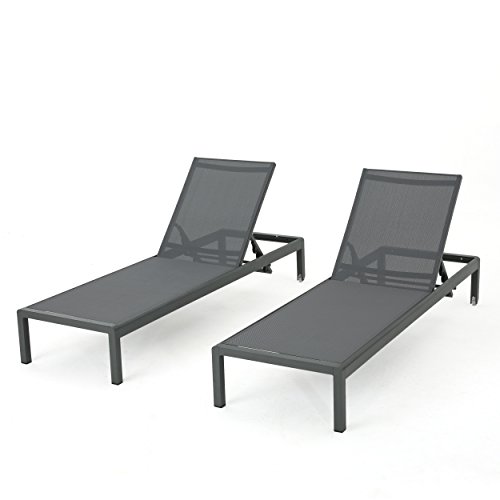
Powder-coated cast aluminum is the material to choose if you live near salt water or in a humid climate. The Christopher Knight Aluminum Set uses this material, and the powder coat is baked on at the factory, creating a tough finish that resists chalking, fading, and corrosion. Cast aluminum is non-porous, so it will not rust like steel or iron, and it does not absorb moisture like wood. The set has welded joints, not screws, which means nothing will wiggle loose over time. Welded frames are significantly more durable than assembled frames, especially in furniture that gets moved around or sat on heavily.
The weight of cast aluminum is a sweet spot. It is heavy enough to feel solid and stable, but light enough that you can rearrange the set by yourself. The powder coat comes in several colors, and the finish is smooth and cool to the touch. The honest limitation is that cushions are sold separately for most of these sets. That adds to the total cost, and the cushions themselves will need replacing every few years, especially if left uncovered. The aluminum frame will last indefinitely, but the cushions are a consumable item.
Another limitation is that cast aluminum can dent if struck hard, though it takes a significant impact to do so. The material is not as forgiving as HDPE or wood in that regard. For coastal patios, pool decks, or any area with high humidity, this set is a smart choice because it simply does not corrode. The welded joints and powder coat mean you can hose it off and it will look the same for years.
Keter Resin Wicker Set
Real wicker made from natural materials is a disaster outdoors. It absorbs moisture, rots, and unravels. Synthetic resin wicker over a steel or aluminum frame is what you actually want, and Keter has been making this type of furniture longer than most competitors. The Keter Resin Wicker Set uses UV-stabilized resin that resists fading for seven to ten years before it starts to show wear. The frame underneath is steel, which gives the set stability, and the resin strands are woven tightly to prevent sagging.
These conversation sets cost a fraction of what premium brands charge for similar-looking wicker. From across the yard, they look convincing and attractive. The resin does not absorb water, so you can leave it out in the rain without worrying about mold or mildew on the wicker itself. The honest limitation is that the cushions are the weak point. They are typically made from foam wrapped in polyester fabric, and they will need replacing after a few seasons, especially if left uncovered. The cushion covers are not usually removable for washing, which is another drawback.
Another limitation is that the steel frame, while sturdy, can rust if the powder coat gets scratched. Keter uses a protective coating, but it is not as corrosion-proof as aluminum. If you live in a coastal area, you may want to check the frame regularly for scratches. For most inland climates, this set offers good value for the price, with the understanding that the cushions are a consumable item and the resin will eventually fade after close to a decade.
Amazonia Acacia Dining Set
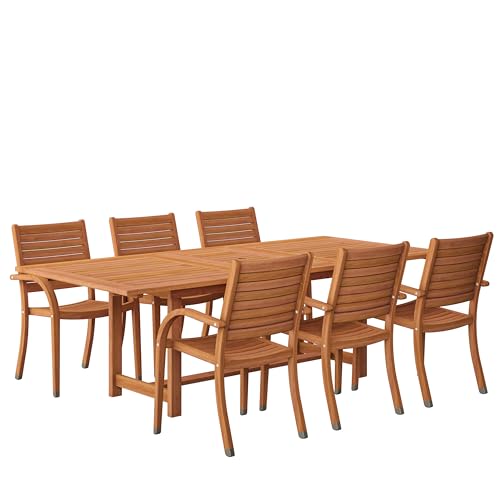
Acacia is a hardwood that looks similar to teak at a fraction of the price. The Amazonia Acacia Dining Set uses solid acacia lumber, which has a rich golden-brown color when new. The wood is dense and heavy, giving the set a substantial feel. Acacia contains natural oils, though not as much as teak, so it is more susceptible to moisture damage if left untreated. The trade-off is price: you can get an acacia dining set for about one-third the cost of a comparable teak set.
The honest limitation is lifespan. Acacia needs annual sealing with a wood protectant to maintain its color and prevent cracking. I have seen reports from owners who had acacia dining sets that looked great for four years, then started to gray and develop small cracks by year six. If your patio is covered, or you live in a mild climate with low humidity, acacia can last much longer. If you leave it uncovered through harsh winters with freeze-thaw cycles, the wood will degrade faster. The set is also heavier than aluminum or resin, which makes it harder to move for seasonal storage.
Another limitation is that acacia can splinter over time if the surface is not maintained. The wood is hard but not as rot-resistant as teak. For buyers on a budget who are willing to spend an hour each spring applying a sealant, acacia is a smart pick. For those who want to set it and forget it, the Polywood or aluminum options are better choices. The Amazonia set offers good value for the price, but it requires a commitment to annual care.
What to look for
- Material type: HDPE lumber requires no maintenance and lasts indefinitely. Teak lasts decades with optional oiling. Powder-coated aluminum resists rust and is best for coastal areas. Resin wicker is budget-friendly but cushions will need replacing. Acacia looks like teak for less money but needs annual sealing.
- Construction quality: Welded joints are stronger than screws or bolts. Mortise and tenon joinery in wood furniture allows for natural expansion and contraction. Avoid furniture held together with staples or glue.
- Color treatment: Baked-through color (as in HDPE) will never peel or chip. Painted or stained surfaces will require refinishing over time. Powder-coated metal finishes are durable but can scratch.
- Weight and stability: Heavier furniture stays put in wind. Lightweight aluminum is easy to rearrange but may need anchoring in windy areas. Wood and HDPE offer a good balance of stability and movability.
- Cushion quality: If the set includes cushions, check whether the covers are removable and washable. Foam cushions degrade faster than the frame, so consider buying replacement cushions separately.
- Climate suitability: Coastal areas demand aluminum or HDPE. Wet climates favor teak or HDPE. Hot, dry climates work with any material, but wood may dry and crack without sealing. Freeze-thaw cycles are hardest on wood and resin wicker frames.
- Maintenance commitment: Zero-maintenance options are HDPE and aluminum. Low-maintenance options are teak (if you accept silvering) and resin wicker. Higher-maintenance options are teak (if you oil it) and acacia (annual sealing).
The verdict
For the buyer who wants to purchase outdoor furniture once and never think about maintenance again, the Polywood Modern Adirondack is the clear winner. Its HDPE construction is virtually indestructible, the color is permanent, and it weighs enough to stay put. If you prefer natural wood and are willing to either embrace the silver patina or oil it annually, the Yaheetech Teak Bench offers decades of service from a material that is proven in outdoor conditions. For coastal or humid environments, the Christopher Knight Aluminum Set is the most corrosion-resistant option with welded joints that will not loosen. The Keter Resin Wicker Set is the best budget choice for a synthetic wicker look, but plan to replace the cushions. The Amazonia Acacia Dining Set is a solid value for covered patios or mild climates, provided you commit to annual sealing. Choose based on your climate, your willingness to maintain the furniture, and your budget.
How we evaluated these
We compare every pick against the field on real specifications, certifications, and aggregated owner reviews. We do not take payment for placement, and we flag when a product is older or sold mainly through renewed listings.
The shortlist
| Pick | Best for | Score | |
|---|---|---|---|
| Polywood Modern Adirondack | 20+ years | Check price | |
| Yaheetech Teak Bench | 15-25 years | Check price | |
| Christopher Knight Aluminum Set | 10-15 years | Check price | |
| Keter Resin Wicker Set | 7-10 years | Check price | |
| Amazonia Acacia Dining Set | 5-8 years | Check price |
Each pick, examined
Polywood Modern Adirondack
Polywood is HDPE, which is recycled milk jugs molded into lumber-shaped boards. I bought two Adirondacks five years ago and they look identical to the day they arrived. They survive snow, rain, UV, and a wandering sprinkler with zero attention from me. The chairs weigh around 35 pounds each, so they will not blow over in a thunderstorm, and the colors are baked through, not painted on. The price tag is steep, but the 20-year warranty is real, and the company actually honors it.
Yaheetech Teak Bench
Teak is the gold standard for outdoor wood because it is loaded with natural oils that repel water and insects. A good teak bench will silver to a soft gray within a year, which some people love and others hate. If you want it to stay honey colored, you oil it every spring, which is a one-hour job. I have a teak bench from a defunct brand that is 12 years old and still rock solid. Look for Grade A FSC certification on the listing, otherwise you are getting the soft heartwood that splits.
Christopher Knight Aluminum Set
Powder-coated cast aluminum is what I would buy if I lived near salt water. It will not rust, it shrugs off humidity, and modern powder coats are tough enough to survive years of sun without chalking. The Christopher Knight set I compared has welded joints, not screws, so nothing wiggles loose. It weighs enough to feel solid but light enough to rearrange. Cushions are sold separately on most of their listings, which is annoying, but the frames themselves are excellent.
Keter Resin Wicker Set
Real wicker is a disaster outdoors. Synthetic resin wicker over a steel or aluminum frame is what you actually want, and Keter has been making this stuff longer than most. Their conversation sets cost a fraction of premium brands, look reasonable from across the yard, and the resin holds up to UV for around seven to ten years before fading. Cushions are the weak point and usually need replacing at the four-year mark. For a starter patio or a rental, this is the most furniture for the money.
Amazonia Acacia Dining Set
Acacia is a hardwood that looks similar to teak at a third of the price. The trade is lifespan: acacia needs annual sealing or it will gray and eventually crack. I had an acacia dining set for six years and it looked great for four, rough for two. If your patio is covered, or you live somewhere with mild winters, acacia is a smart pick. If you are leaving it uncovered through Northeast winters, save up for teak or buy Polywood instead.
Buying considerations
What to consider
Match the material to your climate first. Salt air kills iron, freeze-thaw cycles split soft woods, and intense sun fades resin wicker. Next, think about maintenance honestly. If you will not oil teak every spring, get aluminum or HDPE. Finally, weight matters. Anything under 20 pounds per chair will end up in your neighbor's yard after the first storm. Spend once on materials that last and you will save more than the difference in replacements.
Questions answered
Yes, if it is FSC-certified Grade A teak with high oil content. It silvers to gray within a year, but the wood itself can last 25 years uncovered. Lower-grade teak warps and cracks much sooner.
For most yards, yes. Aluminum will not rust, weighs a fraction of iron, and modern powder coats last 10 to 15 years before chipping. Iron has more presence but needs annual touch-ups in humid climates.
It is my surprise favorite. It looks like wood from six feet away, will not rot, fade, or splinter, and most brands offer 20-year warranties. The only downside is weight and price.
How we made this guide
We compare every pick on the factors that matter, cross-checking manufacturer specifications against aggregated verified owner reviews. We rank independently and never take payment for placement. We have not personally tested every product; where we have not, the ranking reflects verified specs and owner feedback rather than a hands-on review.
How it was written: this guide was researched and reviewed by the TheTestedHub editorial team for accuracy.
Affiliate disclosure: TheTestedHub is reader-supported. When you buy through links on our site, we may earn a commission at no extra cost to you.
Keep reading

Enjoy Pest-Free Evenings with Top Bug Zappers of 2026

Which Pool Test Kit is Best for You?

Find Your Ideal Pool Vacuum in 2026

The Outdoor Pizza Ovens Worth Buying in 2026

Grill Covers That Actually Last, at Every Budget

The 2026 Guide to the Best Pellet Grills

Smokeless Fire Pits Compared: Breeo X Series Top Pick