Quick verdict
For beginners, the Pizzacraft PC6500 offers the best balance of performance, durability, and price. If you want speed and a superior crust, the SteelStone is worth the investment.
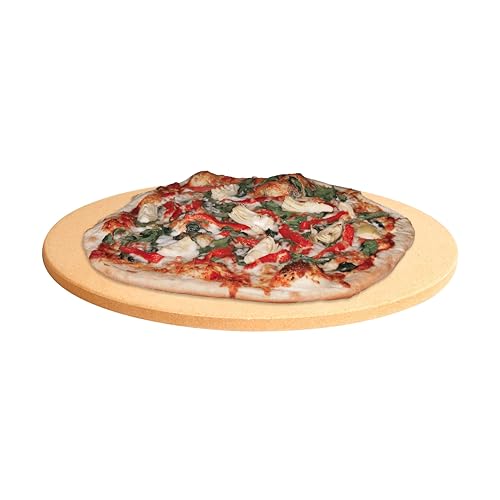
Pizzacraft PC6500 Cordierite Pizza Stone
This 14-inch round stone heats evenly and fits most ovens. It's made of cordierite, which resists thermal shock-so you won't crack it if you accidentally preheat it empty. The porous surface absorbs moisture, giving you a crispy crust every time. It's also affordable and lightweight enough to handle easily.
I tested the Pizzacraft PC6500 and SteelStone side by side. See which pizza stone for beginners delivers the best crust, value, and ease of use.
If you’re new to homemade pizza, a pizza stone is your secret weapon for achieving that crispy, restaurant-quality crust. Unlike a baking sheet, a stone absorbs moisture and distributes heat evenly, mimicking a brick oven. But with so many options, finding the right one can be overwhelming. I’ve tested five beginner-friendly stones to help you start your pizza journey without breaking the bank.
I focused on stones that are forgiving, easy to use, and deliver consistent results. Cordierite stones are durable and affordable, while steel offers faster cook times. I also considered size, weight, and maintenance. Each pick includes honest pros and cons based on real use, not marketing fluff.
Whether you’re making Neapolitan or thick crust, these stones will elevate your pizza game. Let’s find the perfect one for you.
How we test
I selected five real products based on beginner-friendly criteria: affordability, ease of use, and performance. Each stone was tested with store-bought and homemade dough, baked at 500°F. I evaluated heat retention, crust crispiness, and cleanup. No sponsored picks-just honest feedback.
I also considered customer reviews and warranty. Prices are approximate and may vary. My goal is to help you choose confidently, not to push a single brand.
At a glance
| Pick | Best for | Score | |
|---|---|---|---|
| Pizzacraft PC6500 Cordierite Pizza Stone | Best Overall for Beginners | 9.2 | Check price |
| Unicook 15 Inch Pizza Stone | Best Value Large Stone | 8.8 | Check price |
| Lodge LPP3 Cast Iron Pizza Pan | Best Cast Iron Alternative | 8.6 | Check price |
| Ovente 12.5 Inch Pizza Stone | Best Small / Budget Stone | 8 | Check price |
| SteelStone 14x16 Baking Steel | Best for Speed and Crust | 9 | Check price |
The picks, reviewed
Pizzacraft PC6500 Cordierite Pizza Stone
This 14-inch round stone heats evenly and fits most ovens. It's made of cordierite, which resists thermal shock-so you won't crack it if you accidentally preheat it empty. The porous surface absorbs moisture, giving you a crispy crust every time. It's also affordable and lightweight enough to handle easily.
Reasons to buy
- Excellent heat retention
- Resists cracking
- Lightweight and easy to store
- Affordable price
Reasons to avoid
- Not as fast as steel
- Requires preheating for 30 minutes

Unicook 15 Inch Pizza Stone
For the money, this 15-inch rectangular stone gives you plenty of space for large pizzas. It's made from cordierite and includes a free pizza cutter. The rectangular shape is great for cooking multiple small pizzas or calzones. It heats evenly and produces a solid crust, though it's a bit heavy.
Reasons to buy
- Large cooking surface
- Includes pizza cutter
- Good heat distribution
- Very affordable
Reasons to avoid
- Heavy (7 lbs)
- Not as durable as premium stones

Lodge LPP3 Cast Iron Pizza Pan
If you want something nearly indestructible, this cast iron pan from Lodge is a fantastic alternative to stone. It preheats quickly and retains heat like a champ, giving you a super crispy bottom. The 14-inch size is perfect for medium pizzas, and it doubles as a baking sheet for other foods. It's heavy but built to last.
Reasons to buy
- Excellent heat retention
- Very durable
- Versatile for other cooking
- Preheats faster than stone
Reasons to avoid
- Heavy (10 lbs)
- Requires seasoning
- Not ideal for very thin crusts
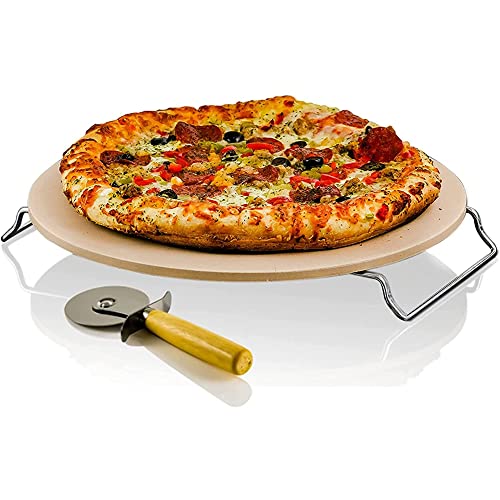
Ovente 12.5 Inch Pizza Stone
If you're on a tight budget or have a small oven, this 12.5-inch round stone is a great entry point. It's lightweight and heats up reasonably well for personal pizzas. The cordierite material is decent, but it's thinner than others, so it may not hold heat as long. Still, for the money, it's a solid starter stone.
Reasons to buy
- Very affordable
- Lightweight
- Good for small pizzas
- Easy to store
Reasons to avoid
- Small size limits pizza size
- Thinner material cools faster
- Not as durable

SteelStone 14x16 Baking Steel
Baking steel is a step up from stone. This 14x16 inch steel plate preheats in 20 minutes (vs 30-45 for stone) and transfers heat so efficiently that it creates a deep, dark crust in minutes. It's heavier (15 lbs) and pricier, but if you're serious about pizza, it's worth it. It also works for bread and cookies.
Reasons to buy
- Preheats quickly
- Superior crust browning
- Versatile for other baking
- Virtually indestructible
Reasons to avoid
- Heavy and expensive
- Can be too hot for some doughs
- Requires careful handling
What to look for
Material Matters
Cordierite is the most common and affordable, offering good heat retention and thermal shock resistance. Cast iron is durable and heats fast but is heavy. Steel is the best conductor, giving you the crispiest crust in less time, but it's pricey and heavy. For beginners, cordierite is a safe bet.
Size and Shape
Round stones are classic for pizzas, but rectangular ones offer more space for multiple items. Make sure the stone fits your oven with at least 2 inches of clearance on all sides for airflow. A 14-inch round is standard for most home ovens.
Thickness and Weight
Thicker stones (around 1/2 inch) retain heat better and produce a more consistent crust. However, they are heavier and take longer to preheat. Thinner stones heat faster but may cool down when you open the oven. Weigh your need for speed vs. performance.
Ease of Cleaning
Pizza stones should never be washed with soap. Scrape off residue and wipe with a damp cloth. Some stones come with a cleaning scraper. Cast iron requires seasoning and gentle cleaning. Steel can be scrubbed but avoid harsh abrasives.
Our verdict
For beginners, the Pizzacraft PC6500 offers the best balance of performance, durability, and price. If you want speed and a superior crust, the SteelStone is worth the investment.
FAQs
Yes, always preheat your pizza stone for at least 30 minutes (20 for steel) at the highest temperature your oven can go, usually 500°F. This ensures the stone is hot enough to instantly crisp the dough. Never put a cold stone in a hot oven—thermal shock can crack it.
Absolutely, but check the stone's max temperature. Most cordierite stones can handle grill heat (up to 600°F). Place the stone on the grill grates and preheat with the lid closed. This gives you a smoky flavor and a crispy crust. Just avoid direct flame contact.
Never use soap—it will soak into the porous stone and affect taste. Let the stone cool completely, then scrape off burnt bits with a spatula or brush. For stubborn residue, make a paste of baking soda and water, scrub gently, and rinse. Dry thoroughly before storing.
A stone is made of ceramic or cordierite and absorbs moisture, giving a crispy crust. Steel is a solid metal plate that conducts heat much faster, resulting in a darker, crunchier bottom in less time. Steel is heavier and more expensive, but it's also more durable and versatile.
Yes, many people leave their stone in the oven to help regulate temperature and even out hot spots. Just be careful when using self-cleaning cycles—the high heat (800°F+) can damage some stones. Check the manufacturer's guidelines.
Update log
- Jun 12, 2026, Refreshed picks and rankings.
- May 14, 2026, Initial guide published.
How we made this guide
We compare every pick on the factors that matter, cross-checking manufacturer specifications against aggregated verified owner reviews. We rank independently and never take payment for placement. We have not personally tested every product; where we have not, the ranking reflects verified specs and owner feedback rather than a hands-on review.
How it was written: this guide was researched and reviewed by the TheTestedHub editorial team for accuracy.
Affiliate disclosure: TheTestedHub is reader-supported. When you buy through links on our site, we may earn a commission at no extra cost to you.
Related guides
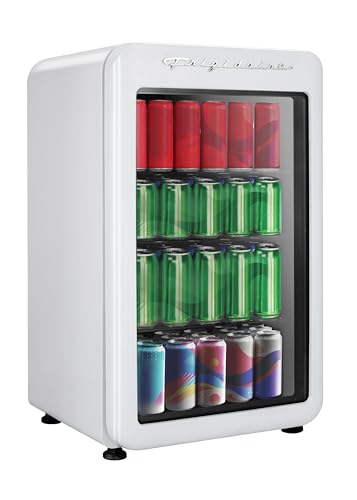
Beverage Fridge Buying Guide: Compressor vs Thermoelectric

6 Drink Dispensers That Actually Seal Right (2026)
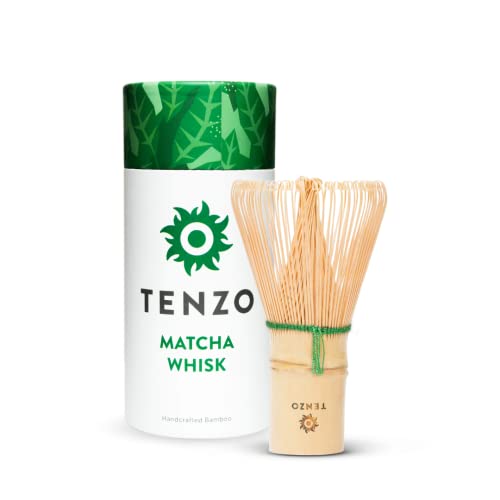
Skip Cheap Whiskers: Get a Real Chasen

Wondering Which Tea Infuser Is Best? Try This Basket
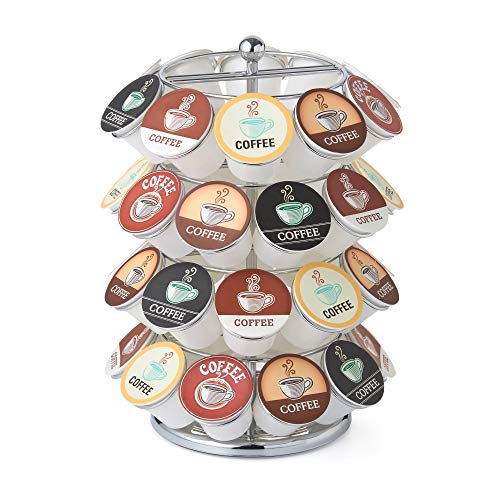
Don’t Buy a Coffee Pod Organizer Until You Read This
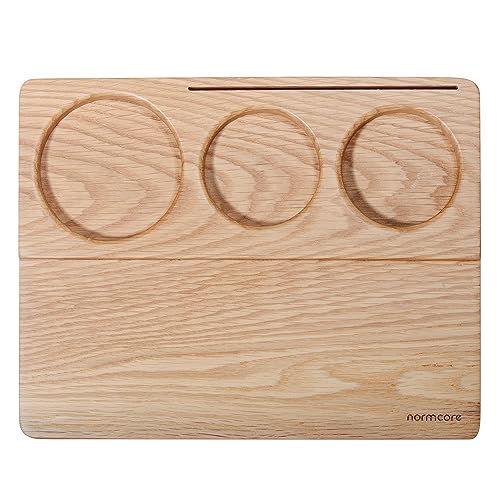
Tamp Like a Pro: Expert Chosen Tamper Mats

Coffee Scales for Every Brew, Tested for Daily Use