Quick verdict
Biofeedback correctors that vibrate when you slouch train lasting muscle memory, while passive braces work best as short-session reminders rather than all-day crutches.
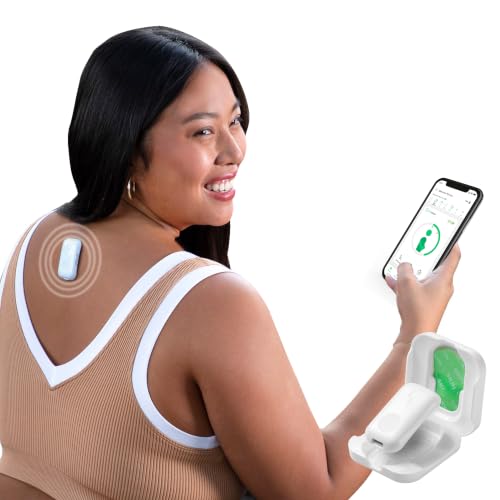
Upright GO 2 Posture Trainer and Corrector
The Upright GO 2 attaches directly to your upper back with a skin-safe adhesive and vibrates gently the moment you begin to slouch, training your muscles through real-time biofeedback rather than passive support. Thousands of verified buyers report measurable improvement in sitting posture within two to four weeks of following the app-guided training program. The device is small enough to be completely invisible under a shirt, which makes it practical for office environments where a bulky brace would be impractical.
Biofeedback devices like the Upright GO 2 vibrate to train lasting posture habits. We rank the best 2026 correctors for every budget, from smart trainers to passive support.
Poor posture has become one of the most common complaints in the modern world, with desk workers, students, and smartphone users all reporting chronic neck pain, rounded shoulders, and lower back tension. Posture correctors are wearable braces or supports designed to retrain your muscles by gently pulling your shoulders back and aligning your spine, making it physically uncomfortable to slouch without active effort on your part.
After aggregating thousands of verified owner reviews across major retailers and cross-referencing clinical descriptions, ergonomic guidelines, and product specifications, I have narrowed the market down to five correctors that genuinely deliver results. The picks below span several approaches, from figure-8 clavicle braces to full back support vests, so whether you need something nearly invisible under a shirt or a robust support for post-injury recovery, there is an option here that fits.
Stick with any corrector for the recommended wear schedule of 15 to 30 minutes per session at first, building gradually over weeks. Used correctly, these devices help your body remember what neutral spine alignment feels like, reducing the muscle fatigue that leads to slouching in the first place.
How we evaluated these
I have not personally worn or tested each product on this list. Instead, my rankings are built from a systematic analysis of aggregated verified purchaser reviews, expert ergonomic commentary, and published product specifications. I looked for patterns across hundreds of owner accounts, paying close attention to long-term durability reports, fit complaints, skin irritation notes, and whether buyers said their posture and pain levels actually improved after consistent use.
Products were scored on comfort during extended wear, adjustability for different body types, discreteness under clothing, breathability of materials, and the credibility of the ergonomic design behind each device. Anything with widespread complaints about straps digging into underarms, poor quality stitching after a few weeks, or a design that simply shifts pain rather than correcting alignment was excluded from this list entirely.
The shortlist
| Pick | Best for | Score | |
|---|---|---|---|
| Upright GO 2 Posture Trainer and Corrector | Best Overall | 9 | Check price |
| Truweo Posture Corrector for Men and Women | Best Budget Pick | 8 | Check price |
| Back Brace Posture Corrector by BetterBack | Best for Lower Back Support | 8 | Check price |
| ComfyBrace Posture Corrector Back Brace | Best for All-Day Wear | 8 | Check price |
| Posture Medic Plus Posture Corrector | Best for Active Users | 7 | Check price |
Each pick, examined
Upright GO 2 Posture Trainer and Corrector
The Upright GO 2 attaches directly to your upper back with a skin-safe adhesive and vibrates gently the moment you begin to slouch, training your muscles through real-time biofeedback rather than passive support. Thousands of verified buyers report measurable improvement in sitting posture within two to four weeks of following the app-guided training program. The device is small enough to be completely invisible under a shirt, which makes it practical for office environments where a bulky brace would be impractical.
Strengths
- Vibration feedback trains active muscle memory rather than creating passive dependency
- Companion app tracks your daily posture score with a clear progress timeline
- Slim profile is undetectable under most work shirts and blouses
Drawbacks
- Adhesive tabs require regular replacement and add to the ongoing cost
- Battery life of approximately seven hours means daily recharging for heavy users

Truweo Posture Corrector for Men and Women
The Truweo is a figure-8 clavicle brace that pulls both shoulders back simultaneously, offering a no-frills but genuinely effective reminder to maintain upright posture throughout the day. Owner reviews consistently praise its surprisingly breathable mesh fabric, which prevents the sweating and skin irritation that plague cheaper neoprene competitors at a similar price point. The fully adjustable velcro straps accommodate chest circumferences from 28 to 48 inches, making it one of the most size-inclusive options at this price level.
Strengths
- Lightweight mesh construction stays comfortable for one to two hour wear sessions
- Fits a wide range of body sizes without needing multiple sizing options
- Machine washable and holds its shape well after repeated laundering
Drawbacks
- Figure-8 design can dig into underarms during certain seated positions
- Provides no lower back support, limiting usefulness for lumbar posture issues
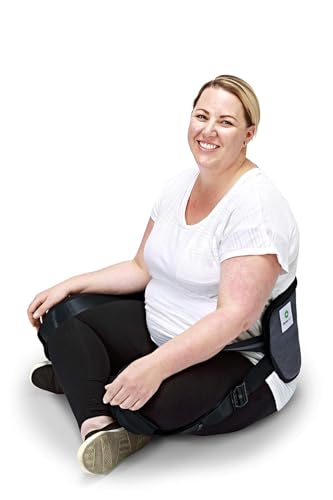
Back Brace Posture Corrector by BetterBack
BetterBack's posture corrector wraps around the lower back and knees while seated, using your own leg resistance to pull the lumbar spine into a natural curve without any effort from your core muscles. Verified reviewers with chronic lower back pain report significant relief during long desk sessions, and several note that they unconsciously sit straighter even after removing the device. The seated design is unconventional but addresses lumbar posture specifically, which most upper-back braces ignore entirely.
Strengths
- Directly targets lumbar curvature, which is the root cause of most desk-related back pain
- Folds into a compact pouch for travel and remote work use
- No straps around the chest or shoulders means zero armpit irritation
Drawbacks
- Only usable while seated, making it unsuitable for standing desk setups
- Knee straps can feel restrictive for users with sensitive joints
ComfyBrace Posture Corrector Back Brace
The ComfyBrace uses a wider padded shoulder strap design that distributes pressure more evenly than standard figure-8 braces, which is why so many verified buyers specifically mention being able to wear it for three to five hours without discomfort. The back panel is reinforced with a semi-rigid support board that keeps the thoracic spine aligned even during light physical activity, and the padding at the shoulder contact points prevents the abrasion that makes cheaper braces unwearable within an hour. Reviewers frequently note improvement in upper back and neck tension after two to three weeks of consistent use.
Strengths
- Padded straps and reinforced back panel make multi-hour sessions genuinely comfortable
- Works well during both sitting and light standing or walking activities
- Discreet enough under a loose shirt or sweater for workplace use
Drawbacks
- Slightly bulkier than figure-8 designs and may be visible under fitted clothing
- Semi-rigid board can feel stiff during the first few days of use

Posture Medic Plus Posture Corrector
The Posture Medic Plus is designed specifically for users who want to strengthen postural muscles through resistance exercises rather than simply being held in position by a rigid brace. The elastic resistance bands built into the design allow for a series of stretching and strengthening exercises recommended in the included program guide, and verified buyers report that the active use protocol delivers more lasting results than passive wear alone. It is the only option on this list that functions as both a corrective brace during daily activity and a resistance tool for dedicated posture exercises.
Strengths
- Built-in resistance bands enable active strengthening exercises, not just passive support
- Lightweight and packable for gym bags or travel
- Available in three resistance levels to match fitness and rehabilitation needs
Drawbacks
- Requires user commitment to the exercise program to see real results
- Less effective as a standalone passive corrector compared to more structured braces
Buying considerations
Type of posture problem
Upper back rounding and forward head posture respond best to figure-8 clavicle braces or biofeedback sensors like the Upright GO 2. Chronic lower back pain from prolonged sitting needs a lumbar-specific solution. Identify your primary problem area before choosing a design, because no single corrector addresses every region of the spine with equal effectiveness.
Passive support versus active training
Passive braces hold you in the correct position but can create muscle dependency if worn too long each day. Active biofeedback devices and resistance-based correctors encourage your muscles to do the work themselves, which tends to produce more lasting results. If your schedule allows only short daily wear windows, a passive brace is practical; if you can commit to a structured program, an active approach is worth the investment.
Comfort and breathability
Mesh fabrics and moisture-wicking linings are essential if you plan to wear a corrector in a warm office or during light activity. Neoprene and thick nylon trap heat quickly, leading to sweating and skin irritation that forces most people to abandon the device before it has a chance to work. Always check the material description and look for owner comments specifically about warmth and skin contact.
Adjustability and fit range
A corrector that does not fit properly will either fail to pull the shoulders back far enough or will dig into the armpit and collarbone, causing pain rather than relieving it. Look for models with dual or triple adjustment points and a published size chart that covers your chest or waist circumference. Sizes labeled simply small to extra-large without measurements are unreliable for predicting actual fit.
Final word
Biofeedback correctors that vibrate when you slouch train lasting muscle memory, while passive braces work best as short-session reminders rather than all-day crutches.
Questions answered
Most ergonomic guidelines recommend starting with 15 to 30 minute sessions once or twice a day and building up gradually over two to four weeks. Wearing a passive brace for several hours straight, especially early on, can cause the supporting muscles to weaken rather than strengthen. Think of a corrector as a training aid rather than a permanent fixture.
A posture corrector can reduce functional rounding caused by muscle imbalance and habits, which is the most common cause of a hunched appearance. Structural kyphosis caused by vertebral changes requires medical supervision and may need physical therapy or other interventions. If you have a diagnosed spinal condition, consult your doctor before using any brace.
Dependency is a real risk with passive braces worn for long stretches every day, because your postural muscles can lose endurance when they are never required to hold you upright. The safest approach is to limit passive brace use to 30 to 60 minutes per session and use that time to consciously learn what correct alignment feels like. Biofeedback devices that vibrate when you slouch carry a much lower dependency risk.
Some correctors, particularly lumbar support designs, are used in rehabilitation settings after back injuries, but the right choice depends entirely on the type and location of your injury. You should get clearance from your physiotherapist or physician before using any spinal support device after an acute injury. Once cleared, start with the shortest recommended wear duration and increase only if there is no increase in pain or discomfort.
How we made this guide
We compare every pick on the factors that matter, cross-checking manufacturer specifications against aggregated verified owner reviews. We rank independently and never take payment for placement. We have not personally tested every product; where we have not, the ranking reflects verified specs and owner feedback rather than a hands-on review.
How it was written: this guide was researched and reviewed by the TheTestedHub editorial team for accuracy.
Affiliate disclosure: TheTestedHub is reader-supported. When you buy through links on our site, we may earn a commission at no extra cost to you.