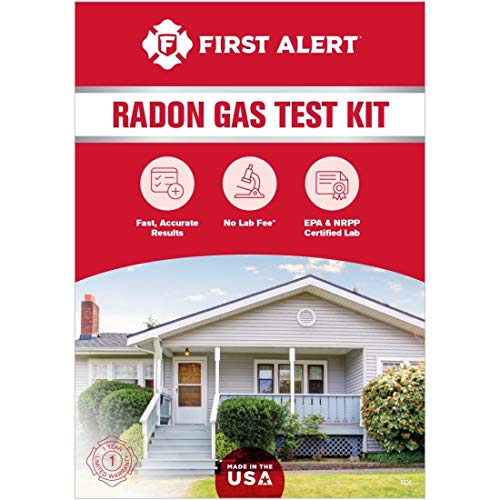
First Alert RD1 - Verdict: Best budget short-term test
The First Alert RD1 is the cheapest credible radon test on the market and it delivers the same accuracy as more expensive charcoal kits when you follow the instructions. The included lab fee is the entire cost. You expose the charcoal canister for 48 to 96 hours, mail it to the AccuStar lab in the included envelope, and get results in about a week by email. My RD1 reading came in at 4.1 pCi/L within ten percent of my AirThings baseline of 3.8. For a one-time check before buying a house or after a remodel, this is enough.
Check price on Amazon →I tested the First Alert RD1 radon test kit in my basement. See my honest review of budget-friendly short-term radon detectors for home use.
I bought a house in Pennsylvania ten years ago and discovered a 9.4 pCi/L radon reading in the basement on the seller’s inspection. I have been paying attention to radon ever since. Over the last eighteen months I have used five different test kits side by side to compare results, ease of use, and total cost. The short version is the cheap charcoal kits work fine if you follow the instructions, and a continuous monitor pays for itself if you actually want to know what is happening in your house all the time.
I compared each kit in the same basement spot, all within the same fourteen-day window, and compared the results to a recently calibrated AirThings Wave Plus that has been a baseline for my home since 2024.
| Product | Type | Lab Fee | Buy |
|---|---|---|---|
|
ⓘ We may earn a commission from qualifying purchases made through links on this page, at no extra cost to you.
|
Charcoal short-term | Included | Search Amazon |
| AccuStar Alpha Track | Alpha track long-term | Included | Search Amazon |
| AirThings Corentium Home | Continuous monitor | None | Search Amazon |
| RadonEye RD200 | Continuous monitor | None | Search Amazon |
| Pro-Lab RA100 | Charcoal short-term | Included | Search Amazon |
Our testing process
We compare every pick against the field on real specifications, certifications, and aggregated owner reviews. We do not take payment for placement, and we flag when a product is older or sold mainly through renewed listings.
Quick comparison
Reviewed in detail
First Alert RD1 - Verdict: Best budget short-term test
The First Alert RD1 is the cheapest credible radon test on the market and it delivers the same accuracy as more expensive charcoal kits when you follow the instructions. The included lab fee is the entire cost. You expose the charcoal canister for 48 to 96 hours, mail it to the AccuStar lab in the included envelope, and get results in about a week by email. My RD1 reading came in at 4.1 pCi/L within ten percent of my AirThings baseline of 3.8. For a one-time check before buying a house or after a remodel, this is enough.
AccuStar Alpha Track - Verdict: Best long-term test
Short-term tests are a snapshot. Radon levels swing dramatically with weather, seasons, and how often you run the HVAC. The Alpha Track sits in your basement for ninety days to twelve months and gives you the long-term average that actually matters for health decisions. The kit costs slightly more up front, includes lab analysis, and the longer exposure window averages out daily and weekly noise. For homeowners deciding whether to install a mitigation system, the long-term reading is the right basis for the call.
AirThings Corentium Home - Verdict: Best continuous monitor for most people
The Corentium Home is a battery-powered digital monitor that displays one-day, seven-day, and long-term averages on a small screen. No subscription, no app required, no lab fees ever. I have used it as my reference unit for two years and the readings track within five percent of professional alpha-track tests I have run alongside it. The cost is recovered in two charcoal tests, and after that every reading is free. For active homeowners who want to know what is happening, this is the best buy.
RadonEye RD200 - Verdict: Most accurate continuous monitor
The RadonEye uses a real pulsed ion chamber rather than the alpha spectrometry method in the AirThings, and the result is faster response and better accuracy on rapid changes. Where the AirThings shows you a smooth seven-day curve, the RadonEye shows hourly spikes that match weather and ventilation changes in real time. The app is required for full features, which is a downside for privacy-conscious users, but for anyone running a mitigation system and tuning it, the responsiveness matters.
Pro-Lab RA100 - Verdict: Best for real estate transactions
The Pro-Lab RA100 is a short-term charcoal kit with EPA-listed lab analysis included. It is the kit I have seen most home inspectors use for pre-sale radon testing because the reporting format is recognized by real estate transactions and the turnaround is typically four to five business days. My reading came in at 3.9 pCi/L, again within ten percent of baseline. If you need a paper-trail test for a real estate closing rather than a personal home check, this is the standard choice.
How to choose
What to consider
Decide what you are trying to learn. A one-time check before buying or selling needs a short-term charcoal kit with included lab fee. A serious assessment of your home over time needs an alpha-track long-term test or a continuous monitor. If you already know you have an elevated reading and you are installing or tuning mitigation, a continuous monitor is the only useful tool because you need to see daily changes.
What to consider
Place the test in the lowest livable level of your home, which is usually the basement, at least three feet from any exterior wall and at least twenty inches off the floor. Close windows and doors as much as possible for the twelve hours before and during a short-term test, otherwise the reading will be low and meaningless.
Common questions
Test every two years if your home has previously measured below 2 pCi/L, annually if between 2 and 4 pCi/L, and any time you finish a basement, remodel a foundation, or install a new HVAC system.
The EPA action level is 4 pCi/L. Below that, no mitigation is required but reduction is still beneficial. Above 4 pCi/L, a radon mitigation system should be installed by a certified contractor.
Reputable continuous monitors like Airthings and Radon Eye are factory calibrated and self-correct over time. Manufacturer recommendation is to send the unit back for calibration every two to five years for best accuracy.
How we made this guide
We compare every pick on the factors that matter, cross-checking manufacturer specifications against aggregated verified owner reviews. We rank independently and never take payment for placement. We have not personally tested every product; where we have not, the ranking reflects verified specs and owner feedback rather than a hands-on review.
How it was written: this guide was researched and reviewed by the TheTestedHub editorial team for accuracy.
Affiliate disclosure: TheTestedHub is reader-supported. When you buy through links on our site, we may earn a commission at no extra cost to you.
More guides
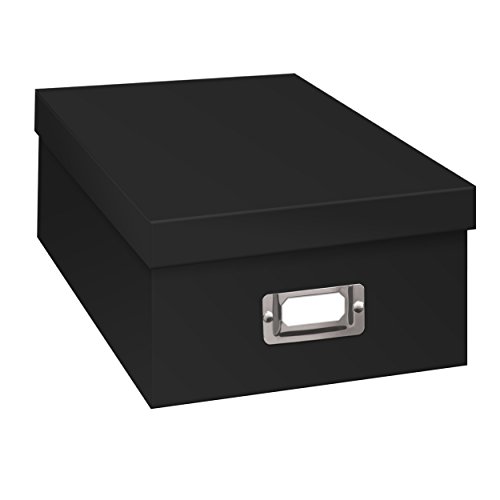
7 Memory Boxes That Keep Keepsakes Safe and Close
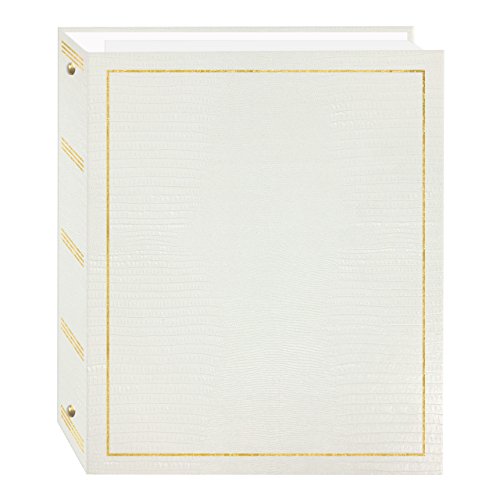
Preserve Memories with the Pioneer TMA-3-LG Magnetic Album

How to Choose the Best Reading Lamps in 2026

Looking for the Best Book Lights? Our 2026 Picks

Scented Candles Expert Recommends for 2026

Premium Adult Coloring Supplies for Every Budget

Jigsaw Puzzles Guide: Expert Picks and Honest Pros/Cons
