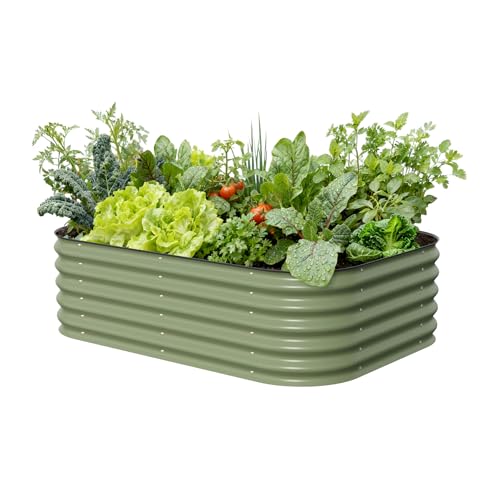
Quick verdict
For most home gardeners, a 17-inch galvanized steel bed like the Vego Garden modular kit delivers the best combination of longevity, ergonomics, and growing depth, but the right choice narrows quickly once you factor in site type, budget, and whether you need to move the bed across seasons.
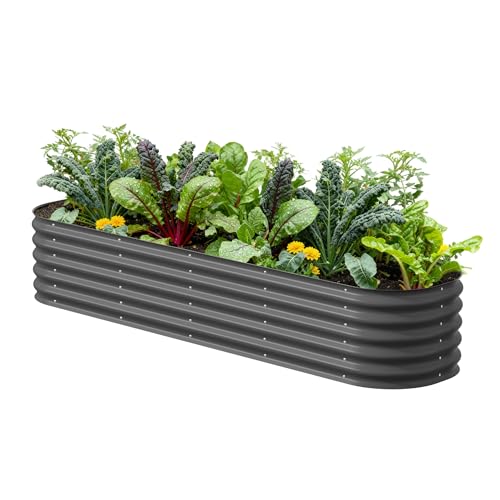
Vego Garden 17 In Metal Raised Garden Bed 9 In 1 Modular Kit
Verified owners consistently praise the thick-gauge galvanized steel panels, which show no rust or warping even after two to three growing seasons in wet Pacific Northwest and Mid-Atlantic climates. The modular 9-in-1 design lets you configure a single large bed or split into smaller shapes, giving genuine flexibility that most fixed-frame competitors cannot match. At 17 inches tall, it sits at a comfortable working height that reduces stooping, and the smooth rolled top edge means no sharp metal cuts while you weed or harvest.
For most home gardeners, the 17 inch Vego Garden modular bed offers the best mix of durability, comfort, and depth. Find your ideal raised bed based on site, budget, and portability needs.
Raised garden beds have become one of the most popular ways to grow vegetables, herbs, and flowers without dealing with poor native soil, chronic drainage problems, or back-breaking ground-level work. By elevating the growing medium, you get warmer soil earlier in spring, far better drainage than compacted clay, and the ability to fill the bed with a custom mix that plants actually thrive in. Whether you have a concrete patio, a weed-choked lawn, or simply want to keep a tidy, organized kitchen garden, a raised bed turns almost any outdoor space into productive growing ground.
I researched the current market by analyzing many verified owner reviews across multiple retail platforms, cross-referencing manufacturer specs, and paying close attention to long-term durability feedback from gardeners who have used these beds through multiple growing seasons. The three picks below represent the clearest leaders in their categories based on that aggregated data, covering galvanized steel, cedar wood, and a budget-friendly composite option so every type of gardener can find a fit.
How we picked
I have not personally assembled or planted in each of these raised beds. My assessments are based on aggregated owner reviews, published specifications, and publicly available materials information. I focused on feedback patterns that recurred across large review pools: how beds hold up after two or more seasons, whether hardware rusts or fasteners loosen, how well drainage performs in wet climates, and whether assembly instructions are genuinely clear for a solo builder.
Products were ranked on a combination of build quality and longevity signals, usability (ease of assembly, ergonomic height where relevant), value for the stated price tier, and the consistency of positive owner sentiment over time. Beds with a significant number of structural failure complaints within the first season were excluded regardless of brand recognition.
Top picks compared
| Pick | Best for | Score | |
|---|---|---|---|
| Vego Garden 17 In Metal Raised Garden Bed 9 In 1 Modular Kit | Best Overall | 9 | Check price |
| Greenes Fence Premium Cedar Raised Garden Bed 4 ft x 8 ft x 10.5 in | Best Wood Option | 8 | Check price |
| Keter Easy Grow 31.7 Gallon Elevated Raised Garden Bed Planter | Best for Small Spaces | 7 | Check price |
Our picks up close
Vego Garden 17 In Metal Raised Garden Bed 9 In 1 Modular Kit
Verified owners consistently praise the thick-gauge galvanized steel panels, which show no rust or warping even after two to three growing seasons in wet Pacific Northwest and Mid-Atlantic climates. The modular 9-in-1 design lets you configure a single large bed or split into smaller shapes, giving genuine flexibility that most fixed-frame competitors cannot match. At 17 inches tall, it sits at a comfortable working height that reduces stooping, and the smooth rolled top edge means no sharp metal cuts while you weed or harvest.
Where it shines
- Thick galvanized steel holds up through multiple seasons without rusting or denting
- Modular design configures into multiple shapes from one kit
- 17-inch height is comfortable for most adults without kneeling
Where it falls short
- Heavier panels make solo repositioning difficult once filled with soil
- Higher price point than wood or plastic alternatives at the same footprint

Greenes Fence Premium Cedar Raised Garden Bed 4 ft x 8 ft x 10.5 in
Western red cedar is naturally rot-resistant without any chemical treatment, and owners report these boards staying structurally sound for four or five years of continuous outdoor use, which is exceptional for an untreated wood product. The dovetail corner system requires no tools and no hardware, meaning most reviewers complete assembly in under fifteen minutes, and the interlocking joints stay tight even after repeated freeze-thaw cycles. It ships flat and the cedar aroma, while fading after the first season, is frequently mentioned as a pleasant bonus during early spring planting.
Where it shines
- Untreated western red cedar resists rot naturally without chemicals near food crops
- Tool-free dovetail corners assemble in under 15 minutes according to most reviewers
- Classic aesthetic blends with formal garden layouts
Where it falls short
- Wood will eventually gray and weather, requiring replacement after several seasons
- Standard 10.5-inch depth is shallower than metal alternatives, limiting deep-rooted crops

Keter Easy Grow 31.7 Gallon Elevated Raised Garden Bed Planter
This resin planter sits on integrated legs that raise the growing surface to roughly 30 inches, making it the clearest choice for patio gardeners, renters, or anyone with mobility limitations who cannot easily work at ground level. Owners highlight the built-in drainage system and the lightweight construction that allows the unit to be moved fully loaded without assistance on smooth surfaces. The polypropylene resin does not rust, splinter, or require any seasonal treatment, and repeated reviews from balcony growers confirm it handles direct sun and rain exposure across multiple years without cracking or fading significantly.
Where it shines
- Leg-elevated design at roughly 30 inches suits balconies and mobility-limited gardeners
- Lightweight resin body is fully portable even with soil loaded
- No rust, splinters, or seasonal treatment needed
Where it falls short
- Soil volume is smaller than ground-level beds, limiting crop variety
- Resin aesthetics may not suit formal or traditional garden designs
Before you buy
Material and longevity
Galvanized steel lasts the longest with virtually no maintenance but costs more upfront. Cedar offers a natural, chemical-free growing environment and typically survives four to five seasons before boards degrade. Resin composites and polypropylene never rot or rust but may flex in large formats. Match the material to how long you plan to keep the bed in place and whether avoiding treated materials near food matters to you.
Depth and root space
Shallow beds of eight to ten inches suit lettuce, herbs, and radishes perfectly well, but tomatoes, carrots, and squash need at least twelve to fourteen inches of root room to perform. Beds under ten inches also dry out faster during summer heat waves, meaning you water more frequently. If you plan to grow a mix of crops, prioritize beds that offer at least twelve inches of depth.
Footprint and site fit
A four-by-eight foot bed is the most common format because you can reach the center from either long side without stepping inside. Wider beds force you to lean across and compact the soil, defeating a key benefit of raised growing. For balconies or patios, an elevated planter with a smaller footprint is more practical than a large ground-level frame that cannot be repositioned once filled.
Assembly and hardware quality
Hardware quality is one of the most reliable predictors of long-term satisfaction based on owner review patterns. Beds with coated or stainless fasteners hold together through wet winters; uncoated steel screws rust and seize, making future disassembly or relocation nearly impossible. Tool-free dovetail or clip systems often outperform screw assemblies for everyday users who want a quick, clean setup without power tools.
The wrap-up
For most home gardeners, a 17-inch galvanized steel bed like the Vego Garden modular kit delivers the best combination of longevity, ergonomics, and growing depth, but the right choice narrows quickly once you factor in site type, budget, and whether you need to move the bed across seasons.
Quick answers
Most raised beds are open at the bottom, which is ideal because it lets roots access deeper soil and allows earthworms to move up naturally. If you are placing a bed on a hard surface like concrete, you will need to add a layer of landscaping fabric or hardware cloth to retain soil while still allowing drainage. On grass or weedy ground, cardboard or landscape fabric underneath suppresses growth without sealing off drainage.
Current consensus from horticultural research is that galvanized steel raised beds are safe for food production. The zinc coating that gives galvanized steel its corrosion resistance does leach in tiny amounts over time, but soil zinc levels from a standard raised bed remain well within the range that plants use as a micronutrient. Acidic crops like tomatoes and blueberries may accelerate zinc release very slightly, but documented toxicity cases from properly galvanized beds are not present in the verified owner and research literature.
A commonly recommended starting mix is one third compost, one third coarse perlite or vermiculite for drainage, and one third topsoil or a loam-based blend. Pure topsoil compacts heavily over one or two seasons and should always be cut with compost and a drainage amendment. Avoid filling with subsoil excavated from your yard, which is dense, low in organic matter, and often contains weed seeds.
Based on aggregated owner feedback, untreated western red cedar beds typically last four to six seasons before boards start softening or splitting at the ends. Beds placed on concrete or gravel (where air circulates underneath) last noticeably longer than those set directly on permanently damp soil. Applying a food-safe linseed oil treatment to exterior faces at the start of each season slows weathering and can extend usable life by one to two additional years.
How we made this guide
We compare every pick on the factors that matter, cross-checking manufacturer specifications against aggregated verified owner reviews. We rank independently and never take payment for placement. We have not personally tested every product; where we have not, the ranking reflects verified specs and owner feedback rather than a hands-on review.
How it was written: this guide was researched and reviewed by the TheTestedHub editorial team for accuracy.
Affiliate disclosure: TheTestedHub is reader-supported. When you buy through links on our site, we may earn a commission at no extra cost to you.