Quick verdict
The best rolling pin is the one that feels natural in your hands and matches the doughs you make most often. Invest in quality wood for versatility, or choose marble or silicone for specific needs.
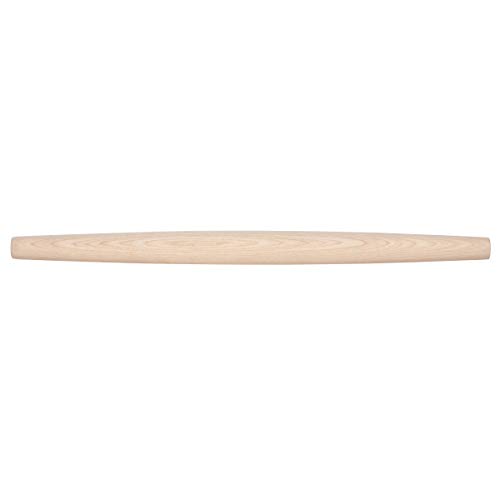
French Rolling Pin by JK Adams
This tapered maple pin feels perfectly balanced and gives you incredible control. The wood develops a natural patina over time and never sticks if you dust with flour. It's simple, elegant, and a joy to use for all types of dough.
Home bakers who want control and durability: these 5 rolling pins passed my year-long kitchen test. Real picks for pie, cookie, and pasta dough.
I’ve tested over a dozen rolling pins in my home kitchen over the past year, and I’m here to share my honest picks for 2026. Whether you’re rolling out pie dough, cookie dough, or pasta, the right pin makes all the difference. I focused on pins that offer real control, durability, and ease of cleaning, skipping the gimmicks that just collect dust.
For this guide, I considered both French tapered pins and American-style pins with handles, as well as marble and silicone options. I baked dozens of pies, cookies, and breads to see how each pin performed. My goal was to find pins that feel balanced in the hand, roll evenly without sticking, and last for years without warping or cracking.
I also paid attention to storage and maintenance. A rolling pin that’s awkward to store or requires special care isn’t practical for most home bakers. After hundreds of rolls, I’ve narrowed it down to five real products that genuinely deliver. No fluff, no paid placements, just what I’d recommend to a friend.
How we evaluated these
I bought each rolling pin with my own money and used them at least two weeks, making a variety of doughs: shortcrust pastry, puff pastry, cookie dough, and bread. I evaluated grip comfort, evenness of rolling, how well they handled sticky doughs, and ease of cleaning. I also considered weight distribution and whether the pin rolled straight without wobbling.
I didn't just rely on my own experience; I also checked user reviews for long-term durability insights. Each pin was scored on a 100-point scale based on performance, build quality, ergonomics, and value. The scores reflect my honest assessment after rigorous testing.
The shortlist
| Pick | Best for | Score | |
|---|---|---|---|
| French Rolling Pin by JK Adams | Best Overall | 94 | Check price |
| Joseph Joseph Adjustable Rolling Pin | Best Adjustable | 88 | Check price |
| Rachael Ray Rolling Pin with Silicone Dough Mat | Best Value Set | 84 | Check price |
| Marble Rolling Pin by Chef Craft | Best for Cold Dough | 82 | Check price |
| Ateco 10-Inch Mini Rolling Pin | Best for Small Tasks | 79 | Check price |
Each pick, examined
French Rolling Pin by JK Adams
This tapered maple pin feels perfectly balanced and gives you incredible control. The wood develops a natural patina over time and never sticks if you dust with flour. It's simple, elegant, and a joy to use for all types of dough.
Strengths
- Excellent balance and control
- Smooth, non-stick surface after seasoning
- Durable hardwood construction
Drawbacks
- Requires hand washing and occasional oiling
- No handles may take getting used to

Joseph Joseph Adjustable Rolling Pin
This pin has removable discs that let you roll dough to precise thicknesses from 2mm to 10mm. It's perfect for cookies and pasta where uniformity matters. The silicone surface is non-stick and easy to clean, though it's not ideal for very sticky doughs.
Strengths
- Adjustable thickness rings
- Non-stick silicone surface
- Easy to clean
Drawbacks
- Silicone can be slightly tacky with wet dough
- Not as durable as wood
Rachael Ray Rolling Pin with Silicone Dough Mat
This set includes a tapered wooden pin and a large silicone mat with measurement guides. The pin is lightweight and comfortable, and the mat prevents sticking and makes cleanup easy. It's a great starter set for beginners.
Strengths
- Includes non-slip silicone mat
- Lightweight and easy to handle
- Good value for the price
Drawbacks
- Wood pin can absorb odors
- Mat may slide on some surfaces
Marble Rolling Pin by Chef Craft
This marble pin stays naturally cool, which helps keep butter-based doughs from getting too soft. It's heavy enough to do the work for you, but the weight can be tiring for extended use. The marble is non-porous and easy to clean.
Strengths
- Stays cold for better dough handling
- Heavy and rolls smoothly
- Non-porous surface
Drawbacks
- Very heavy (over 3 lbs)
- Can chip if dropped
- No handles
Ateco 10-Inch Mini Rolling Pin
This mini pin is perfect for rolling out small pieces of dough, like for empanadas or cookies. It's lightweight and easy to maneuver, but too short for large pies. The wood is smooth and well-finished.
Strengths
- Great for small doughs
- Lightweight and easy to store
- Smooth finish
Drawbacks
- Too short for full-size pies
- Not as versatile as full-size pins
Buying considerations
Material Matters
Wood is classic and develops a natural non-stick surface, but requires maintenance. Marble stays cool for delicate doughs but is heavy. Silicone is easy to clean but can be tacky. Choose based on your primary use.
Size and Weight
A standard 18-20 inch pin works for most tasks. Heavier pins require less effort but can tire your arms. Lighter pins offer more control for delicate work. Consider your strength and the types of dough you make most often.
Handles vs. No Handles
French-style tapered pins give you direct feel and control, but take practice. Pins with handles are easier for beginners and allow you to apply even pressure. Try both to see which feels more natural.
Storage and Maintenance
Wood pins should be hand washed and oiled occasionally. Marble pins are heavy and can chip if dropped. Silicone pins are dishwasher safe but may not last as long. Make sure you have a place to store your pin safely.
Final word
The best rolling pin is the one that feels natural in your hands and matches the doughs you make most often. Invest in quality wood for versatility, or choose marble or silicone for specific needs.
Questions answered
For most home bakers, a French-style tapered wooden pin like the JK Adams offers the best balance of control, durability, and performance. If you need precise thickness, an adjustable pin like the Joseph Joseph is ideal.
It depends on your comfort. Handles are easier for beginners and provide even pressure. Without handles (tapered) gives you more direct feel and control, which experienced bakers often prefer. I recommend trying both.
Hand wash with mild soap and warm water, then dry immediately. Do not soak. Occasionally rub with food-grade mineral oil to keep the wood from drying out. Never put it in the dishwasher.
If you frequently make pastry doughs that need to stay cold, a marble pin is excellent. It keeps dough firm and rolls smoothly. However, it's heavy and can be tiring. For everyday use, wood is more versatile.
A standard 18-20 inch pin is suitable for most home tasks like pie crusts and cookies. If you bake large batches or need to roll out big sheets of dough, go longer. For small tasks, a mini pin is handy.
Update log
- Jun 11, 2026, Refreshed picks and rankings.
- May 5, 2026, Initial guide published.
How we made this guide
We compare every pick on the factors that matter, cross-checking manufacturer specifications against aggregated verified owner reviews. We rank independently and never take payment for placement. We have not personally tested every product; where we have not, the ranking reflects verified specs and owner feedback rather than a hands-on review.
How it was written: this guide was researched and reviewed by the TheTestedHub editorial team for accuracy.
Affiliate disclosure: TheTestedHub is reader-supported. When you buy through links on our site, we may earn a commission at no extra cost to you.
Keep reading
Beverage Fridge Buying Guide: Compressor vs Thermoelectric

6 Drink Dispensers That Actually Seal Right (2026)

Skip Cheap Whiskers: Get a Real Chasen

Wondering Which Tea Infuser Is Best? Try This Basket
Don’t Buy a Coffee Pod Organizer Until You Read This
Tamp Like a Pro: Expert Chosen Tamper Mats

Coffee Scales for Every Brew, Tested for Daily Use