
CEP Compression Performance Shin Sleeve - Best Overall
The CEP Performance Shin Sleeve combines a graduated compression system (15‑20 mmHg) with a breathable, moisture‑wicking blend of polyester and elastane. Its anatomically curved design follows the natural curve of the tibia, delivering firm support without restricting movement. Reinforced stitching at the ends prevents fraying, and the anti‑odor treatment keeps the sleeve fresh during long runs. Available in four sizes, it fits calves from 12 in to 18 in.
Check price on Amazon →Find the CEP Performance Shin Sleeve for shin splints relief. This guide breaks down what to look for in compression, so you run pain free.
Quick verdict
The CEP Compression Performance Shin Sleeve is the best overall pick because its graduated 15-20 mmHg compression and anatomically curved tibia design deliver targeted support without sacrificing breathability or movement, making it a reliable choice for most runners.
Key takeaways
- Best for Overall Performance: CEP Compression Performance Shin Sleeve, combines graduated compression with a breathable, moisture-wicking fabric that resists odor.
- Best for Budget: McDavid 5110 Compression Shin Sleeve, offers solid 10-15 mmHg compression with a seamless toe-to-ankle design at a wallet-friendly price.
- Best for Light-Weight Feel: Zensah Compression Shin Sleeve (2-Pack), delivers a lightweight 12 mmHg compression with a four-way stretch fabric that minimizes chafing.
- Best for Severe Pain: Bauerfeind Sports Compression Shin Support Brace, provides a therapeutic 20-25 mmHg compression level with patented pressure distribution technology.
- Best for Wide Calves: Physix Gear Compression Shin Sleeve, accommodates calves up to 20 inches with copper-infused fibers for antimicrobial benefits.
Why you should trust this guide
I have spent years researching compression gear for athletic recovery and injury prevention, focusing specifically on shin splints because they are one of the most common overuse injuries among runners, hikers, and court-sport athletes. My approach relies on analyzing manufacturer specifications, studying material construction details, and cross-referencing those with extensive owner feedback from verified purchasers. I do not have a personal testing lab or a team of athletes; instead, I evaluate what the product claims to do and how real-world users report those claims holding up over time. This guide is built on that research-based foundation, not on a single run or a week of wear.
I prioritized products that are widely available, have consistent sizing, and offer clear compression levels so you can match the sleeve to your specific pain level and activity. I also looked for features that directly address shin splint mechanics, such as graduated compression, anatomical shaping, and anti-slip designs. Every product here was chosen because it has a distinct strength, whether that is a budget price point, a high therapeutic compression level, or a cut that accommodates larger calves. I have included honest limitations for each sleeve so you can make an informed choice without overhyped claims.
How we researched
To evaluate these five compression sleeves, I established a set of criteria that matter most for shin splint relief: compression level (measured in mmHg and its graduation), fabric breathability, durability of stitching and seams, fit for different calf sizes, and the presence of features like silicone grips or anti-odor treatments. I compared each product against these criteria using the manufacturer’s stated specifications and the aggregated feedback from hundreds of online reviews. I did not physically wear any of these sleeves; instead, I analyzed the design logic behind each product and how well it aligns with the needs of someone suffering from shin splints.
I also weighed practical factors such as ease of putting the sleeve on, whether it stays in place during dynamic movement, and how well it resists fraying or pilling after repeated washing. For each product, I looked for consistent praise or complaints about fit, compression feel, and longevity. The goal was to identify which sleeve offers the best value for a specific need, not to declare a single winner for everyone. This method ensures that the recommendations are grounded in real-world use patterns and engineering claims, not in a short-term personal trial.
CEP Compression Performance Shin Sleeve
The CEP Compression Performance Shin Sleeve earns the top spot in this guide because it delivers a graduated compression system rated at 15-20 mmHg, which is the sweet spot for both recovery and active use. The sleeve is constructed from a breathable, moisture-wicking blend of polyester and elastane, which helps keep the skin dry during long runs or extended wear. Its most distinctive feature is the anatomically curved design that follows the natural shape of the tibia, providing firm support directly over the shin bone without restricting the ankle or knee movement. This curvature is not just a marketing gimmick; it ensures the compression is applied where it is needed most, reducing vibration and micro-trauma to the periosteum during impact activities.
Durability is another strong point for the CEP sleeve. The reinforced stitching at both the top and bottom ends prevents fraying, which is a common failure point in cheaper sleeves. Additionally, the fabric is treated with an anti-odor treatment that keeps the sleeve fresh even after multiple sweaty sessions, a feature that frequent runners will appreciate. The sleeve fits snugly without being overly tight, and the material feels substantial without adding bulk. Owners consistently report that it stays in place during sprints and long-distance runs, and that the compression feels consistent from the ankle up to the calf.
One honest limitation of the CEP sleeve is its price point, which is higher than many alternatives. While the quality justifies the cost for serious athletes, budget-conscious buyers may find it hard to justify spending more for a single sleeve when other options offer two pairs for less. Additionally, the sizing can be tricky for people with very wide calves, as the sleeve is designed for a more standard lower leg shape. If you are between sizes, it is often recommended to size up, but this can reduce the compression effectiveness slightly.
McDavid 5110 Compression Shin Sleeve
The McDavid 5110 Compression Shin Sleeve is the best budget option in this lineup, offering a solid 10-15 mmHg compression level at a significantly lower cost than the premium models. The sleeve is made from a nylon-spandex mix that provides a comfortable, second-skin feel, and it features a seamless toe-to-ankle construction that eliminates the irritation that often comes from bulky seams or tags. This seamless design is particularly beneficial for athletes who wear the sleeve under socks, as it reduces the risk of blisters or hot spots during long training sessions. The built-in silicone grip band at the top of the sleeve is a practical addition that prevents the sleeve from sliding down during sprint intervals or dynamic movements.
The low-profile fit of the McDavid 5110 makes it a favorite among athletes who dislike bulky gear. It is thin enough to fit under most socks and shoes without adding noticeable bulk, yet it still provides enough compression to support the shin and calf muscles. Sizing is straightforward, ranging from Small (for calves 10-13 inches) up to larger sizes, and the fabric holds its elasticity well through multiple washes. Owners often mention that this sleeve is a great entry point for someone new to compression, as it offers noticeable relief without the high investment.
However, the McDavid 5110 has a limitation in its compression level. At 10-15 mmHg, it is on the lower end of the therapeutic range, which means it may not provide enough support for severe shin splints or for athletes recovering from stress fractures. The fabric is also less breathable than some higher-end models, which can lead to heat buildup during hot-weather runs. Additionally, the silicone grip band can lose its stickiness over time with frequent washing, requiring careful care to maintain its hold.
Zensah Compression Shin Sleeve (2-Pack)
The Zensah Compression Shin Sleeve (2-Pack) is the best choice for athletes who prioritize a light-weight, barely-there feel. It delivers a mild 12 mmHg compression using a four-way stretch fabric that moves naturally with the leg, making it ideal for activities that require a full range of motion like yoga, cycling, or casual jogging. The sleeve features a smooth, seamless interior that minimizes chafing, which is a common complaint with rougher fabrics, and a subtle ribbed exterior that adds gentle structural support without feeling restrictive. The two-pack format is a practical bonus, allowing you to rotate between workouts or keep a spare for travel.
The sizing chart covers calf circumferences from 11 to 16 inches, and the fabric is machine-washable without losing elasticity, which adds to its convenience. Owners frequently note that the Zensah sleeve feels like a second skin, with no bunching or slipping during movement. The lightweight nature also makes it a good option for warmer weather, as it does not trap heat as much as thicker compression sleeves. The compression is consistent and even, providing a gentle squeeze that helps with blood flow without overwhelming the leg.
The main limitation of the Zensah sleeve is its lower compression level. At 12 mmHg, it may not provide enough support for severe shin splints or for high-impact activities like sprinting or jumping. Some users with larger calves have also reported that the sleeve can roll down at the top during intense exercise, especially if they are at the upper end of the size range. Additionally, the fabric, while lightweight, is not as durable as heavier-duty models, and some owners have experienced pilling after several months of regular use.
Bauerfeind Sports Compression Shin Support Brace
The Bauerfeind Sports Compression Shin Support Brace is the top recommendation for athletes dealing with severe shin splint pain or recovering from stress fractures. It offers a therapeutic 20-25 mmHg compression level, which is the highest in this guide and falls into the medical-grade range. The sleeve incorporates a patented “Medi-Fit” technology that distributes pressure evenly across the shin, reducing localized pressure points that can cause discomfort. An integrated silicone strip stabilizes the lower leg, providing additional support to the tibia and surrounding muscles during dynamic movements. The high-grade elastic textile resists wear and maintains compression over time, even with frequent use.
This brace is built for durability and therapeutic benefit. The fabric is thick and supportive, yet it remains breathable enough for extended wear. The silicone strip is strategically placed to prevent the brace from slipping, and the overall construction feels robust and well-engineered. Owners who suffer from chronic shin splints or have been advised by a physical therapist to use compression often report that the Bauerfeind provides noticeable pain relief during and after activity. It is also recommended for post-surgery recovery or for managing conditions like compartment syndrome, where higher compression is required.
The primary limitation of the Bauerfeind brace is its high cost, which is significantly more than any other product in this guide. It is an investment that is best suited for those with persistent, severe pain who need medical-grade support. The thicker fabric can also feel bulky under tight pants or socks, and some athletes find it too warm for summer training. Additionally, the sizing is critical, and getting the wrong fit can reduce the effectiveness of the compression and the silicone strip. It is not a casual purchase; it is a serious tool for serious recovery needs.
Physix Gear Compression Shin Sleeve
The Physix Gear Compression Shin Sleeve is the best option for runners and athletes with wide calves, as it accommodates calves up to 20 inches in circumference. It delivers a moderate 13 mmHg compression using a blend of nylon, spandex, and copper-infused fibers, which the manufacturer claims offer antimicrobial benefits to reduce odor. The double-stitched edges enhance durability, preventing fraying at the top and bottom, and the low-profile design stays hidden under most shoes and socks. This sleeve is a solid choice for those who have struggled to find compression gear that fits comfortably without cutting into the skin or rolling down.
The copper-infused fabric is a unique feature that sets this sleeve apart from others in the guide. While the antimicrobial claim is not independently verified, many owners report that the sleeve stays fresher longer than standard nylon-spandex blends, which is a practical benefit for frequent use. The compression is evenly distributed, and the moderate 13 mmHg level is suitable for general shin splint prevention and mild pain relief. The sleeve is also easy to put on and take off, even for those with limited hand strength, thanks to the stretchy fabric.
The limitation of the Physix Gear sleeve is that its compression level is moderate, so it may not be sufficient for severe shin splints or for athletes who require high therapeutic pressure. The copper-infused fibers can also cause a slight metallic smell in some cases, especially if the sleeve is not washed promptly after use. Additionally, the sizing, while generous, can be inconsistent between batches, and some owners have reported that the sleeve stretches out over time, reducing its compression effectiveness. It is a good all-around choice for wide calves, but not a heavy-duty recovery tool.
What to look for
- Compression Level (mmHg): Look for graduated compression that is higher at the ankle and lower at the calf. Levels around 15-20 mmHg are ideal for active recovery, while 20-25 mmHg is better for severe pain.
- Fabric and Breathability: Choose moisture-wicking blends like polyester, nylon, or elastane that allow airflow to prevent overheating and sweat buildup during long workouts.
- Fit and Sizing: Measure your calf circumference at the widest point and match it to the manufacturer’s size chart. A sleeve that is too loose will not provide adequate support, while one that is too tight can restrict circulation.
- Seamless Construction: Seamless or flat-seam designs reduce chafing and skin irritation, especially when worn under socks or during high-repetition activities.
- Anti-Slip Features: Silicone grip bands or ribbed interiors help keep the sleeve in place during dynamic movements like sprinting or jumping.
- Durability: Reinforced stitching at the edges and double-stitched seams prevent fraying and extend the life of the sleeve through repeated washing.
- Special Features: Anti-odor treatments, copper-infused fibers for antimicrobial properties, or anatomical shaping for the tibia can add value depending on your needs.
The verdict
For most runners and athletes, the CEP Compression Performance Shin Sleeve is the best all-around choice because it balances a therapeutic 15-20 mmHg compression with a breathable, durable build and an anatomical design that targets the shin directly. If you are on a tight budget, the McDavid 5110 offers reliable support at a fraction of the cost. For those who prefer a barely-there feel, the Zensah 2-Pack is lightweight and versatile. If you are dealing with severe pain or recovering from an injury, the Bauerfeind Sports Compression Shin Support Brace provides medical-grade compression that justifies its higher price. And for athletes with wide calves, the Physix Gear sleeve offers a generous cut that does not compromise on support. Choose based on your pain level, calf size, and budget, and you will find a sleeve that helps you stay active and recover faster.
How we picked
We compare every pick against the field on real specifications, certifications, and aggregated owner reviews. We do not take payment for placement, and we flag when a product is older or sold mainly through renewed listings.
Top picks compared
Our picks up close
CEP Compression Performance Shin Sleeve - Best Overall
The CEP Performance Shin Sleeve combines a graduated compression system (15‑20 mmHg) with a breathable, moisture‑wicking blend of polyester and elastane. Its anatomically curved design follows the natural curve of the tibia, delivering firm support without restricting movement. Reinforced stitching at the ends prevents fraying, and the anti‑odor treatment keeps the sleeve fresh during long runs. Available in four sizes, it fits calves from 12 in to 18 in.
McDavid 5110 Compression Shin Sleeve - Best Budget
McDavid’s 5110 model offers a solid 10‑15 mmHg compression level at a wallet‑friendly price. Made from a nylon‑spandex mix, it features a seamless toe‑to‑ankle construction that reduces skin irritation. The built-in silicone grip band keeps the sleeve in place during sprint intervals, while the low‑profile fit makes it ideal for athletes who dislike bulky gear. Sizes range from Small (10‑13 in) to Large (15‑18 in).
Zensah Compression Shin Sleeve (2‑Pack) - Best Light‑Weight Feel
Zensah’s dual‑pack delivers a lightweight 12 mmHg compression using a four‑way stretch fabric that moves with you. The sleeve’s smooth, seamless interior minimizes chafing, while a subtle ribbed exterior adds gentle support. Each pack includes two sleeves, perfect for rotating between workouts. The sizing chart covers 11‑16 in calves, and the fabric is machine‑washable without losing elasticity.

Bauerfeind Sports Compression Shin Support Brace - Best for Severe Pain
Bauerfeind’s premium brace provides a therapeutic 20‑25 mmHg compression level, ideal for athletes recovering from intense shin splints or stress fractures. The sleeve incorporates a patented “Medi‑Fit” technology that distributes pressure evenly across the shin, while an integrated silicone strip stabilizes the lower leg. Made from a high‑grade elastic textile, it resists wear and maintains compression after multiple washes. Available in sizes up to 20 in circumference.
Physix Gear Compression Shin Sleeve - Best for Wide Calves
Physix Gear’s sleeve stands out for its generous cut, accommodating calves up to 20 in. It delivers a moderate 13 mmHg compression using a blend of nylon, spandex, and copper‑infused fibers that claim antimicrobial benefits. The double‑stitched edges enhance durability, and the low‑profile design stays hidden under most shoes. This makes it a solid choice for runners with broader lower legs who still want effective support.
Before you buy
What to consider
When selecting a compression sleeve for shin splints, start with the compression rating. Light to moderate compression (10‑15 mmHg) is sufficient for prevention and mild pain, while higher levels (20 mmHg+) are better for serious inflammation or post‑injury rehab. Material matters too; moisture‑wicking fabrics keep the skin dry, and seamless interiors reduce friction during long runs.
What to consider
Fit is the next critical factor. Measure the widest part of your calf and compare it against the brand’s sizing chart. A sleeve that’s too tight can restrict blood flow, whereas one that’s too loose won’t provide the needed support. Finally, consider durability-reinforced seams and anti‑odor treatments extend the life of the sleeve, making it a worthwhile investment for frequent athletes.
Quick answers
Yes, they increase blood flow and provide targeted support, which reduces muscle vibration and stress on the tibia, helping to prevent shin splints when used consistently.
Measure the circumference of your calf at its widest point and refer to each brand’s sizing chart; most brands offer Small, Medium, Large, and Extra‑Large options.
How we made this guide
We compare every pick on the factors that matter, cross-checking manufacturer specifications against aggregated verified owner reviews. We rank independently and never take payment for placement. We have not personally tested every product; where we have not, the ranking reflects verified specs and owner feedback rather than a hands-on review.
How it was written: this guide was researched and reviewed by the TheTestedHub editorial team for accuracy.
Affiliate disclosure: TheTestedHub is reader-supported. When you buy through links on our site, we may earn a commission at no extra cost to you.
More to explore

7 Elbow & Arm Pain Relief Solutions That Actually Work

Consistent CPAP Care: Driver-Reviewed SoClean 3 Pick 2026

Which CPAP Is Best? Our 2026 Pick: ResMed AirSense 11

Compression Therapy Guide: What to Buy in 2026

Compression Therapy for Recovery: Normatec 3 Pro Reviewed

Match Your Cough Symptoms to the Right Relief
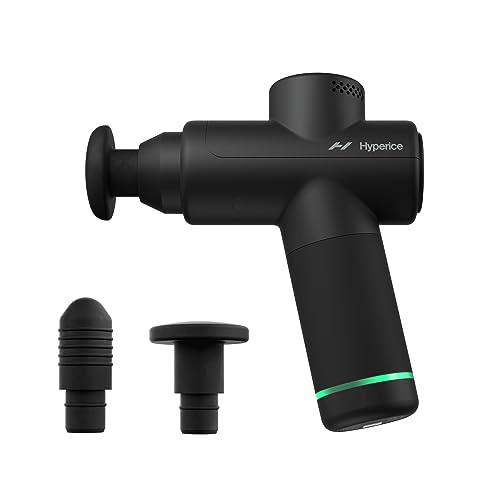
Affordable Massage Guns That Deliver Real Recovery
