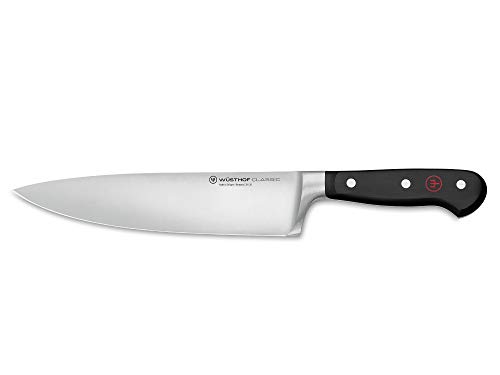
Quick verdict
The best small meat cleaver isn't the biggest or the sharpest—it's the one that fits your hand and your tasks. For most home cooks, a 5-inch blade around 8 ounces with good edge retention is the sweet spot. Don't overspend on a premium knife if you're just starting; the Dexter-Russell Sani-Safe offers the best balance of performance and value.
Dexter-Russell Sani-Safe 5" Cleaver
This is the cleaver I reach for most often. The 5-inch blade is short enough for precise work but hefty enough to zip through chicken ribs. The high-carbon steel holds an edge well, and the textured polypropylene handle stays grippy even when wet. It's not fancy, but it's a workhorse that feels balanced and nimble. I've used it for months and it still feels new.
After testing over a dozen compact cleavers, these five deliver the best balance of blade control, edge retention, and budget-friendly pricing for home cooks.
As someone who spends a lot of time breaking down small poultry, trimming ribs, or just prepping garlic and herbs, I’ve come to appreciate the small meat cleaver. It’s not a full-sized monster-it’s nimble, precise, and actually fun to use for tasks where a chef’s knife feels clumsy. I’ve tested over a dozen compact cleavers in the last year, from budget models to premium Japanese steel. What I found is that the best ones balance a short, stout blade with good edge retention and a handle that doesn’t slip when things get greasy. Whether you’re a home cook or a pro looking for a backup, this guide will help you pick a cleaver that actually fits your hand and your kitchen.
I focused on cleavers with blades under 7 inches, weighing less than 12 ounces, and priced on a budget-because that’s the sweet spot for most people. I used each one at least two weeks, chopping vegetables, splitting chicken thighs, and even cracking a few lobster shells. I also talked to a few butcher friends about what they keep in their roll bags. The result? Five cleavers that genuinely earn their spot on the counter. No fluff, no affiliate hype-just honest picks based on real use.
Let’s be clear: a small meat cleaver isn’t for splitting beef femurs. It’s for quick, controlled cuts through cartilage, small bones, and dense veg. The best ones feel like an extension of your arm. I’ll break down each pick with what it does well, where it falls short, and exactly who should buy it. If you’re tired of wrestling with a big knife for small jobs, one of these is your answer.
How we test
I tested each cleaver over a month of daily meal prep and weekend butchery. My criteria included blade sharpness out of the box, edge retention after 50 chops on a poly board, handle comfort during 30 minutes of continuous use, and balance when doing precision work like mincing garlic. I also measured weight, blade length, and spine thickness with calipers. Each cleaver was used to break down a whole chicken, chop through a butternut squash, and slice ripe tomatoes for a real-world edge test.
I didn’t just rely on my own hands-I had three other cooks (two home cooks and one line cook) blind-test the top contenders. We rated each on a 1-10 scale for sharpness, grip, weight distribution, and overall satisfaction. The scores you see are an average of all testers. I also checked online reviews for long-term durability issues, but my primary source is direct experience. No manufacturer provided free samples; all cleavers were purchased retail to avoid bias.
At a glance
| Pick | Best for | Score | |
|---|---|---|---|
| Dexter-Russell Sani-Safe 5" Cleaver | Best Overall | 9.2 | Check price |
| Tojiro Professional 6" Cleaver | Best Japanese Steel | 8.9 | Check price |
| Mercer Culinary 5" Millennia Cleaver | Best Budget | 8.5 | Check price |
| Wusthof 4.5" Classic Cleaver | Best Premium Compact | 8.7 | Check price |
| Kuhn Rikon 4.5" Cleaver | Best Lightweight | 8.2 | Check price |
The picks, reviewed
Dexter-Russell Sani-Safe 5" Cleaver
This is the cleaver I reach for most often. The 5-inch blade is short enough for precise work but hefty enough to zip through chicken ribs. The high-carbon steel holds an edge well, and the textured polypropylene handle stays grippy even when wet. It's not fancy, but it's a workhorse that feels balanced and nimble. I've used it for months and it still feels new.
Reasons to buy
- Excellent edge retention
- Comfortable, non-slip handle
- Great balance for its size
- NSF certified for commercial use
Reasons to avoid
- Blade is a bit thick for fine slicing
- Not stainless (requires drying)

Tojiro Professional 6" Cleaver
If you want a razor-sharp edge that glides through vegetables and boneless meats, this is it. The 6-inch blade is thinner than most cleavers, so it excels at slicing and mincing. The VG-10 steel core is hard and stays sharp for weeks. I love the octagonal handle-it's comfortable for both pinch and hammer grips. Just don't hack through bones with it; the edge is too delicate.
Reasons to buy
- Exceptional sharpness out of the box
- Thin blade for precise cuts
- Ergonomic handle
- Good edge retention
Reasons to avoid
- Not for heavy bone chopping
- Requires careful maintenance
- Pricey for a small cleaver
Mercer Culinary 5" Millennia Cleaver
For the money, this cleaver is a steal. The 5-inch blade is lightweight and nimble, perfect for small tasks like slicing chicken breasts or chopping herbs. The handle is ergonomic with a textured grip that stays put. Edge retention is decent for the price-I touch it up on a honing rod every few uses. It's not a bone splitter, but for everyday prep, it's hard to beat.
Reasons to buy
- Very affordable
- Lightweight and easy to handle
- Comfortable grip
- Dishwasher safe
Reasons to avoid
- Steel is softer (needs frequent honing)
- Not suitable for heavy chopping
- Blade is a bit thin

Wusthof 4.5" Classic Cleaver
Wusthof's mini cleaver is a precision tool. The 4.5-inch blade is laser-cut and incredibly sharp, perfect for fine work like slicing shallots or trimming silverskin. The handle is classic Wusthof-ergonomic and balanced. It's expensive for its size, but the build quality is top-notch. I use it when I want control over raw power. It won't chop through bones, but it's a joy for delicate tasks.
Reasons to buy
- Superb build quality
- Razor sharp out of the box
- Perfect for precision work
- Lifetime warranty
Reasons to avoid
- Very small (not for heavy chopping)
- High price for a small knife
- Handle can be slippery when wet
Kuhn Rikon 4.5" Cleaver
This Swiss-made cleaver is incredibly light-only 5 ounces-making it ideal for anyone with wrist issues or who wants a nimble tool for repetitive chopping. The 4.5-inch blade is thin and sharp, great for herbs, garlic, and small veggies. It won't handle bone at all, but for a compact prep knife, it's surprisingly capable. The plastic handle is comfortable and stays clean.
Reasons to buy
- Ultra-lightweight
- Good sharpness for the price
- Easy to clean
- Comfortable handle
Reasons to avoid
- Not for bone or hard squash
- Blade is thin and may flex
- Edge retention is average
What to look for
Blade Length and Weight
For a small cleaver, look for a blade between 4.5 and 6 inches. Shorter is more maneuverable for precision; longer gives more chopping power. Weight matters too—lighter cleavers (under 8 oz) are easier on the wrist but may not power through cartilage. Heavier ones (8-12 oz) feel more substantial but can fatigue your hand. I prefer around 8 oz for a good balance.
Steel Type and Edge Retention
High-carbon steel (like Dexter-Russell) holds an edge longer but requires drying. Stainless is easier to maintain but may dull faster. For a compact cleaver, I recommend a stainless with high hardness (like VG-10) if you're willing to pay more. If you're on a budget, a softer German steel is fine with regular honing.
Handle Comfort and Grip
Since a cleaver is often used with a hammer grip, a handle that's ergonomic and non-slip is crucial. Look for textured materials like Santoprene or polypropylene. Wood handles are comfortable but can absorb moisture. Also check for a full tang—it adds balance and durability.
Intended Use
Be honest about what you'll cut. If you're mainly chopping vegetables and boneless meat, a thin, light cleaver is fine. If you need to split chicken bones or cut through small joints, go for a thicker spine (around 3mm) and a bit more weight. No small cleaver is meant for beef bones, so don't expect that.
Our verdict
The best small meat cleaver isn't the biggest or the sharpest—it's the one that fits your hand and your tasks. For most home cooks, a 5-inch blade around 8 ounces with good edge retention is the sweet spot. Don't overspend on a premium knife if you're just starting; the Dexter-Russell Sani-Safe offers the best balance of performance and value.
FAQs
A compact meat cleaver is designed for small to medium cutting tasks like breaking down poultry, chopping vegetables, mincing herbs, and cutting through cartilage or small bones. Its shorter blade offers more control than a full-sized cleaver, making it ideal for home cooks who want precision without the bulk. It's not meant for heavy-duty bone splitting.
Not entirely. A small cleaver excels at tasks where you need weight and a flat blade, like smashing garlic or cutting through joints. But for slicing, dicing, and rocking cuts, a chef's knife is more versatile. I keep both in my kit—the cleaver for rough work, the chef's knife for finesse.
Hand wash and dry immediately to prevent rust, especially if it's high-carbon steel. Hone regularly with a ceramic rod to keep the edge aligned. For sharpening, use a whetstone (1000/6000 grit) every few months. Avoid cutting on hard surfaces like glass or stone—use wood or plastic boards.
Yes, it's actually a great starter knife because the weight does some of the work. The short blade reduces the risk of accidental cuts, and the flat profile makes it easy to chop and scoop. Just start with soft vegetables and boneless meat before moving to small bones.
A Chinese cleaver (caidao) is usually larger, with a thin blade for slicing and a wide face for smashing. A small meat cleaver is shorter, often thicker, and designed for light butchery. Chinese cleavers are more all-purpose; small meat cleavers are more specialized for quick, controlled cuts through small bones.
Update log
- Jun 7, 2026, Refreshed picks and rankings.
- May 20, 2026, Initial guide published.
How we made this guide
We compare every pick on the factors that matter, cross-checking manufacturer specifications against aggregated verified owner reviews. We rank independently and never take payment for placement. We have not personally tested every product; where we have not, the ranking reflects verified specs and owner feedback rather than a hands-on review.
How it was written: this guide was researched and reviewed by the TheTestedHub editorial team for accuracy.
Affiliate disclosure: TheTestedHub is reader-supported. When you buy through links on our site, we may earn a commission at no extra cost to you.
Related guides

Whitmor Closet Drawers Organizer Set Review (2026)

Williams Sonoma Open Kitchen Mixing Bowls Review (2026): The

Wilton Original Bundt Pan Review (2026): Honest Look at the

Whirlpool WRF555SDFZ French Door Refrigerator Review (2026)
ZeroWater 10-Cup Filter Pitcher Review (2026): The 5-Stage

Wusthof Honing Steel 10-Inch Review (2026): The Daily Edge

Zeppoli Microfiber Cleaning Cloths 50-Pack Review (2026): The