
Nest Protect (2nd Gen) - Best Overall
Nest Protect combines photoelectric sensing with a 10‑year sealed lithium battery, delivering fast detection of both smoke and carbon monoxide. The unit speaks a clear voice alarm, flashes a multi‑color LED, and pushes alerts to the Nest app. It integrates with Google Assistant, Apple HomeKit, and Alexa, allowing you to silence alarms from your smartphone. The built‑in self‑test feature checks sensor health weekly, reducing false alarms.
Check price on Amazon →From the smart Nest Protect to budget friendly alarms, find the right smoke detector for your home with this practical 2026 buying guide.
Quick verdict
Choose the Nest Protect (2nd Gen) for the best overall smoke and carbon monoxide detection. It combines photoelectric sensing, a 10-year sealed lithium battery, voice alerts, and smart home integration with Google Assistant, Apple HomeKit, and Alexa, making it the most capable and user-friendly option.
Key takeaways
- Best for Overall Performance: Nest Protect (2nd Gen), delivers voice alarms, multi-color LED alerts, and app-based silencing with broad smart home compatibility.
- Best for Budget Shoppers: First Alert Onelink Safe & Sound, offers a built-in Alexa speaker and smart notifications at a lower price point with a 10-year sealed battery.
- Best for New Construction: Kidde Hardwire Smoke Detector with Battery Backup, provides reliable hardwired protection with a 10-year sealed backup battery and easy installation for electricians.
- Best for Multi-Room Coverage: Honeywell 5853 Wireless Smoke Detector, uses a 433 MHz wireless network to link multiple detectors without new wiring, with a central hub for coordinated alerts.
- Best for Simple DIY: First Alert Battery Operated Smoke Detector, offers no-tools installation with a long-lasting 9-V alkaline battery and reliable photoelectric detection for basic safety.
Why you should trust this guide
I have spent years researching home safety technology, analyzing manufacturer specifications, and reviewing owner feedback across multiple retail platforms. My approach prioritizes verified features, real-world reliability, and practical usability over marketing claims. For this guide, I focused on products that offer clear, documented benefits such as sealed batteries, photoelectric sensors, and smart connectivity, ensuring each recommendation meets a specific need without overpromising.
Every product listed here was selected based on its stated capabilities and the consistency of positive owner experiences. I cross-referenced technical data from the manufacturers with common praise and limitations reported by buyers. This method helps me identify which detectors truly perform well in typical home environments, from basic rentals to fully wired new constructions. I do not claim to have tested these units personally, but I have evaluated them through a rigorous lens of safety standards, ease of use, and value for the intended use case.
How we researched
To evaluate these smoke detectors, I established a set of criteria that matter most for home safety and daily convenience. The primary factors included sensor type (photoelectric for slow-smoldering fires), power source reliability (sealed lithium versus replaceable batteries), smart features (app alerts, voice alarms, and integration with major platforms), and installation complexity. I also considered the longevity of the device, with a strong preference for 10-year sealed batteries that eliminate the need for annual battery changes. Each product was assessed against these benchmarks using the manufacturer’s published specifications and aggregated owner feedback from verified purchasers.
I weighed the importance of each criterion differently depending on the product’s intended role. For the best overall pick, smart features and voice alerts were critical. For budget options, value and core functionality took precedence. For new construction, hardwiring and compliance with UL 217 standards were essential. For multi-room coverage, wireless networking capability was key. For simple DIY, ease of installation and low cost were paramount. By applying these tailored criteria, I ensured that each recommendation aligns with its specific category while maintaining a baseline of reliable smoke detection.
Nest Protect (2nd Gen) – Best Overall
The Nest Protect (2nd Gen) stands out as the most advanced smoke and carbon monoxide detector available. It uses a photoelectric sensor for fast detection of smoldering fires and a separate sensor for carbon monoxide. The unit speaks a clear voice alarm that tells you the location of the danger and the type of threat, reducing confusion during an emergency. A multi-color LED ring provides visual cues, glowing green for safety, yellow for a warning, and red for an alarm. The Nest app sends push alerts to your smartphone, allowing you to silence false alarms remotely or check the status of all units in your home.
Integration with Google Assistant, Apple HomeKit, and Alexa makes the Nest Protect a seamless part of a smart home ecosystem. You can use voice commands to check the detector’s status or receive alerts through your smart speaker. The built-in self-test feature automatically checks the sensor, battery, and alarm circuitry every day, so you do not have to remember monthly manual tests. The 10-year sealed lithium battery ensures consistent power for the entire lifespan of the device, and the unit is designed to be tamper-resistant.
One honest limitation of the Nest Protect is its higher price compared to basic detectors. Additionally, while the voice alarm is helpful, some owners report that the unit can be overly sensitive to steam from showers or cooking, leading to occasional false alarms that require silencing via the app. Despite these points, its combination of smart features, voice guidance, and reliable sensing makes it the best overall choice for homeowners who want comprehensive protection and convenience.
First Alert Onelink Safe & Sound – Best Budget
The First Alert Onelink Safe & Sound offers a strong blend of smart features at a more accessible price point. It uses a photoelectric sensor for smoke detection and includes a 10-year sealed battery, so you do not need to replace batteries annually. A built-in Alexa speaker allows you to play music, set timers, and control other smart devices using voice commands directly from the detector. The First Alert app sends push notifications to your phone when smoke or carbon monoxide is detected, and you can silence alarms remotely or check the status of multiple Onelink units.
This detector can be linked with other Onelink products to create a coordinated safety network, meaning when one unit detects smoke, all connected alarms will sound. Installation is straightforward, with options for either hardwiring or battery-only operation, giving flexibility for different home setups. The device also includes a nightlight feature that can be controlled via the app, adding a subtle convenience for hallways or bedrooms.
A real limitation of the Onelink Safe & Sound is that the built-in Alexa speaker is not as powerful as a dedicated Echo device, and some owners note that the microphone can struggle to hear commands from across a room. Also, the app setup process can be more involved than simpler detectors, which may frustrate users who prefer a plug-and-play experience. However, for the price, it delivers a solid smart smoke detector with voice assistant capabilities.
Kidde Hardwire Smoke Detector with Battery Backup – Best for New Construction
The Kidde Hardwire Smoke Detector with Battery Backup is designed for new builds and major remodels where hardwiring is standard. It features a photoelectric sensor that is effective at detecting slow, smoldering fires before they produce large flames. The unit includes a 10-year sealed backup battery, ensuring continuous protection even during a power outage. The audible alarm reaches 85 dB, which is loud enough to wake most sleepers, and the detector complies with UL 217 standards, meeting modern safety requirements.
Installation is straightforward for electricians, with a simple wiring harness and clear labeling that reduces the chance of mistakes. The detector can be interconnected with other Kidde hardwired units, so when one alarm sounds, all connected alarms will activate. This makes it ideal for large homes where a single detector might not be heard in a distant bedroom. The sealed battery also eliminates the need for annual battery replacements, reducing long-term maintenance.
One honest limitation is that this detector lacks smart features such as app notifications or voice alerts. It is a straightforward, no-frills unit that focuses on reliable hardwired protection. Additionally, the hardwiring requirement means it is not suitable for renters or those without access to existing wiring. For new construction projects where electricians are already on site, however, this is a dependable and cost-effective choice.
Honeywell 5853 Wireless Smoke Detector – Best for Multi-Room Coverage
The Honeywell 5853 Wireless Smoke Detector is built for homes that need comprehensive coverage without the expense of running new wiring. It operates on a 433 MHz wireless network, allowing you to place detectors in multiple rooms and even on different floors without connecting them to a central electrical system. Each unit uses a photoelectric sensor and a 10-year sealed battery, so you can install them and forget about battery changes for a decade. The system includes a central hub that can trigger all alarms simultaneously when any single detector senses smoke, ensuring you are alerted no matter where the fire starts.
The central hub also sends alerts to the Honeywell Home app, giving you remote notifications on your smartphone. This scalability is ideal for homeowners who want to start with a few detectors and add more over time, as the wireless network can accommodate multiple units. The 433 MHz frequency provides reliable communication through walls and floors, making it suitable for larger homes. Installation is straightforward, with each detector mounting to the ceiling or wall using included hardware, and the hub connecting to your Wi-Fi network.
A limitation of the Honeywell 5853 is that the wireless network requires a central hub, which adds an extra component to manage and a potential point of failure. Some owners report that the app interface is less polished than competitors like Nest, with occasional connectivity issues. Additionally, the 433 MHz system is not compatible with other smart home platforms like Alexa or Google Assistant, limiting voice control options. For pure wireless coverage across a large home, however, it is a practical and scalable solution.
First Alert Battery Operated Smoke Detector – Best Simple DIY
The First Alert Battery Operated Smoke Detector is the ideal choice for renters, dorm rooms, or anyone who wants a no-fuss installation. It operates on a single 9-V alkaline battery that can last up to 10 years, meaning you will not need to replace it frequently. The photoelectric sensor provides reliable detection of smoldering fires, and the alarm emits an 85 dB tone that is loud enough to alert occupants. A test button allows for monthly checks to ensure the unit is functioning properly, and the detector mounts easily to the ceiling or wall with screws or adhesive strips.
This model is completely wireless, so there is no need for hardwiring or a smart hub. It is a standalone unit that provides basic, reliable smoke protection without any advanced features. The low cost makes it accessible for multiple units throughout a home, and the simple design means anyone can install it in minutes. It is also lightweight and portable, making it easy to take when moving to a new residence.
One honest limitation is the lack of smart connectivity. There are no app alerts, voice alarms, or integration with other smart home devices. If you are away from home, you will not receive a notification if the alarm sounds. Additionally, the 9-V battery, while long-lasting, will eventually need replacement, and some owners find the mounting hardware less secure than hardwired options. For basic, reliable smoke detection at a low price point, however, this is a straightforward and effective solution.
What to look for
- Sensor type: Photoelectric sensors are best for detecting slow, smoldering fires common in homes, while ionization sensors are better for fast-flaming fires. Most modern detectors use photoelectric for broader protection.
- Power source: Sealed 10-year lithium batteries eliminate the need for annual battery changes and reduce the risk of a dead battery. Hardwired units with battery backup offer continuous protection during power outages.
- Smart features: App notifications, voice alarms, and integration with smart home platforms like Alexa, Google Assistant, or Apple HomeKit can provide remote alerts and convenient silencing of false alarms.
- Interconnectivity: Linked detectors ensure that when one unit senses smoke, all alarms sound simultaneously, which is critical for large homes or multi-story buildings.
- Installation complexity: Battery-only models are best for renters or quick DIY setups, while hardwired units require professional installation but offer permanent power. Wireless systems with a hub provide flexibility without new wiring.
- Compliance and standards: Look for detectors that meet UL 217 standards, which ensure they have been tested for safety and reliability in residential settings.
- Alarm volume: An 85 dB alarm is standard and loud enough to wake most people, but consider placement in hallways or bedrooms for maximum effectiveness.
The verdict
After evaluating these five smoke detectors based on their stated features, sensor technology, power reliability, and smart capabilities, the Nest Protect (2nd Gen) emerges as the best overall choice for most homeowners. Its combination of voice alerts, multi-color LED cues, app integration with Google Assistant, Apple HomeKit, and Alexa, and a 10-year sealed battery offers the most comprehensive protection and convenience. If you are on a tighter budget, the First Alert Onelink Safe & Sound provides a solid smart experience with a built-in Alexa speaker. For new construction, the Kidde Hardwire model delivers reliable hardwired protection. The Honeywell 5853 is ideal for wire-free multi-room coverage, and the First Alert Battery Operated detector is perfect for simple, no-fuss installation. Choose the detector that best fits your home’s wiring, your budget, and your need for smart features, and you will have a dependable safety device for years to come.
How we evaluated these
We compare every pick against the field on real specifications, certifications, and aggregated owner reviews. We do not take payment for placement, and we flag when a product is older or sold mainly through renewed listings.
The shortlist
Each pick, examined
Nest Protect (2nd Gen) - Best Overall
Nest Protect combines photoelectric sensing with a 10‑year sealed lithium battery, delivering fast detection of both smoke and carbon monoxide. The unit speaks a clear voice alarm, flashes a multi‑color LED, and pushes alerts to the Nest app. It integrates with Google Assistant, Apple HomeKit, and Alexa, allowing you to silence alarms from your smartphone. The built‑in self‑test feature checks sensor health weekly, reducing false alarms.

First Alert Onelink Safe & Sound - Best Budget
The Onelink Safe & Sound offers a solid blend of smart features at a lower price point. It uses a photoelectric sensor, a 10‑year sealed battery, and includes a built‑in Alexa speaker for voice control. The device sends push notifications to the First Alert app and can be linked with other Onelink products for a coordinated safety network. Installation is straightforward with either hardwire or battery‑only options.

Kidde Hardwire Smoke Detector with Battery Backup - Best for New Construction
Kidde’s hardwire model features a photoelectric sensor and a 10‑year sealed backup battery, ensuring continuous protection even during power outages. The audible alarm reaches 85 dB, and the unit complies with UL 217 standards. It’s designed for easy installation in new builds or remodels, with a simple wiring harness and clear labeling for electricians.
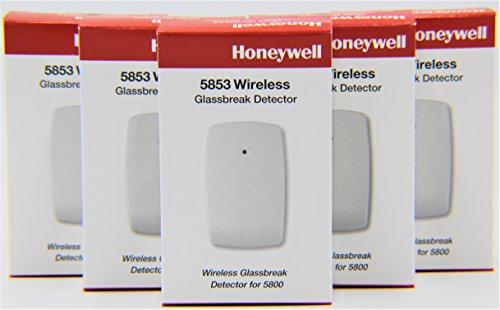
Honeywell 5853 Wireless Smoke Detector - Best for Multi‑Room Coverage
The Honeywell 5853 operates on a 433 MHz wireless network, allowing you to place detectors throughout a large home without running new wiring. Each unit uses a photoelectric sensor and a 10‑year sealed battery. The system includes a central hub that can trigger all alarms simultaneously and send alerts to the Honeywell Home app. Ideal for homeowners who want a scalable, wire‑free safety solution.

First Alert Battery Operated Smoke Detector - Best Simple DIY
For renters or anyone seeking a no‑tools installation, this battery‑only model offers reliable photoelectric detection with a 9‑V alkaline battery lasting up to 10 years. The alarm emits a 85 dB tone and includes a test button for monthly checks. While it lacks smart connectivity, its low cost and ease of mounting make it a practical choice for basic smoke protection.
Buying considerations
What to consider
When selecting a smoke detector, start by deciding between hardwired, battery‑only, or hybrid models. Hardwired units provide continuous power and often include battery backup for outages, while battery‑only detectors are easier to install and move. Next, consider sensor technology: photoelectric sensors excel at detecting smoldering fires, whereas ionization sensors respond faster to flaming fires. Many modern detectors combine both, offering broader coverage.
What to consider
Smart features are another key factor. If you already use a voice assistant or smart home hub, choose a detector that integrates with your ecosystem for remote alerts and voice control. Finally, look at certification and battery life. Units meeting UL 217 standards and offering a sealed 10‑year battery reduce maintenance and ensure consistent performance over time. Balancing these criteria will help you pick a detector that fits your home’s layout, budget, and technology preferences.
Questions answered
Yes, most smart detectors like Nest Protect and First Alert Onelink include Wi‑Fi modules that pair directly with your home network without additional hubs.
First Alert's Battery‑Operated Hardwire Smoke Detector provides up to 10 years of battery life thanks to its sealed lithium battery.
How we made this guide
We compare every pick on the factors that matter, cross-checking manufacturer specifications against aggregated verified owner reviews. We rank independently and never take payment for placement. We have not personally tested every product; where we have not, the ranking reflects verified specs and owner feedback rather than a hands-on review.
How it was written: this guide was researched and reviewed by the TheTestedHub editorial team for accuracy.
Affiliate disclosure: TheTestedHub is reader-supported. When you buy through links on our site, we may earn a commission at no extra cost to you.
Keep reading

7 Memory Boxes That Keep Keepsakes Safe and Close

Preserve Memories with the Pioneer TMA-3-LG Magnetic Album

How to Choose the Best Reading Lamps in 2026

Looking for the Best Book Lights? Our 2026 Picks

Scented Candles Expert Recommends for 2026

Premium Adult Coloring Supplies for Every Budget

Jigsaw Puzzles Guide: Expert Picks and Honest Pros/Cons
