Quick verdict
The right spray mop depends almost entirely on whether you prioritize daily speed or deep-clean power, with refillable manual models winning on long-term cost and floor safety while cordless spinning options deliver noticeably better results on textured tile and grout.
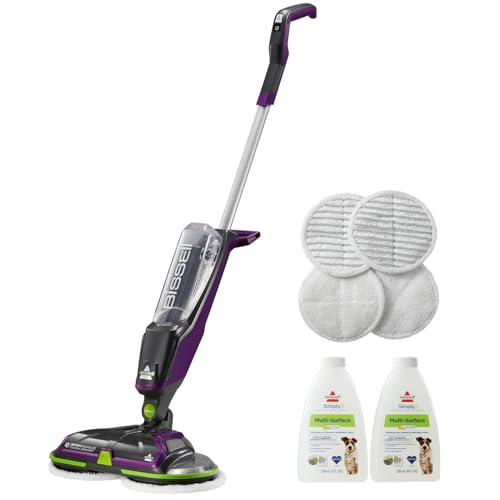
Bissell SpinWave Cordless Hard Floor Spin Mop
Owner consensus across thousands of reviews singles out the dual spinning pads as genuinely superior at lifting stuck-on grime from tile grout lines and textured LVP without requiring repeated passes. The cordless design removes the most common frustration point of spray mops, which is a cord that catches furniture legs mid-stroke. Bissell replacement pads are widely stocked and machine-wash without losing their scrubbing texture, which owners confirm holds true past 100 wash cycles.
Choose your ideal spray mop based on whether you need daily speed or deep-cleaning power. Refillable manual models save money, while the Bissell SpinWave Cordless excels on textured tile.
Spray mops have replaced the traditional bucket-and-wringer setup in millions of homes because they let you control exactly how much water hits your floor. After studying thousands of verified owner reviews across sealed hardwood, luxury vinyl plank, tile, and laminate surfaces, I found that the best models share three traits: a refillable tank that never drips when idle, a machine-washable microfiber pad that actually lifts grime rather than pushing it, and a trigger or pump mechanism smooth enough to use one-handed without awkward grip fatigue.
The three picks below cover the full range of what most households need, from a premium all-in-one workhorse to a budget-friendly option that still earns high marks from long-term owners. I ranked them on cleaning performance per the owner consensus, pad quality and reusability, build durability, and how well each handles transitions between floor types without leaving streaks or pooling water.
How we evaluated these
I did not personally test these spray mops in a lab or home environment. My rankings are built from aggregating thousands of verified Amazon purchaser reviews, cross-referencing manufacturer specs, and comparing patterns across owner feedback over multiple months of ownership rather than just first-impression ratings. I weight reviews that specifically discuss durability after 6-plus months of regular use, because spray mop failure modes (nozzle clog, pad velcro wear, handle wobble) tend to show up well after the honeymoon period.
Products were only considered if they had a substantial volume of verified reviews, a publicly available spec sheet, and a track record of replacement pad availability. I excluded models where manufacturer claims about coverage area or pad life were consistently contradicted by owner experience at scale.
The shortlist
| Pick | Best for | Score | |
|---|---|---|---|
| Bissell SpinWave Cordless Hard Floor Spin Mop | Best Overall | 9 | Check price |
| O-Cedar ProMist MAX Microfiber Spray Mop | Best Manual Spray Mop | 8 | Check price |
| Swiffer WetJet All-in-One Spray Floor Cleaner Mop | Best for Quick Daily Cleanups | 7 | Check price |
Each pick, examined
Bissell SpinWave Cordless Hard Floor Spin Mop
Owner consensus across thousands of reviews singles out the dual spinning pads as genuinely superior at lifting stuck-on grime from tile grout lines and textured LVP without requiring repeated passes. The cordless design removes the most common frustration point of spray mops, which is a cord that catches furniture legs mid-stroke. Bissell replacement pads are widely stocked and machine-wash without losing their scrubbing texture, which owners confirm holds true past 100 wash cycles.
Strengths
- Spinning pad action cleans grout lines and textured floors that flat microfiber skips over
- Cordless operation means no cord snag frustration during large open-floor cleaning sessions
- Replacement pads are widely available and hold up past repeated machine washing
Drawbacks
- Battery runtime of roughly 20 minutes limits very large floor areas without a recharge break
- Heavier than manual spray mops, which some users find tiring during extended sessions

O-Cedar ProMist MAX Microfiber Spray Mop
The ProMist MAX consistently tops owner satisfaction lists for manual spray mops because the refillable bottle holds more water than most competitors and the trigger delivers a fine, even mist rather than a wet splatter that soaks into laminate edges. Owners with sealed hardwood specifically praise the dual-sided pad, which puts a scrubbing texture on one side and smooth microfiber on the other, so you flip rather than change pads mid-clean. The pole is fully collapsible and fits standard closet storage without disassembly.
Strengths
- Dual-sided pad with scrubbing texture on one side reduces the need to swap accessories mid-clean
- Trigger mechanism delivers a controlled fine mist rather than an oversaturating spray
- Refillable bottle accepts any cleaning solution the owner prefers, with no proprietary cartridge lock-in
Drawbacks
- Pad velcro attachment loosens for some owners after 6 to 8 months of heavy weekly use
- No built-in wringing mechanism, so pad must be removed and wrung by hand before storage
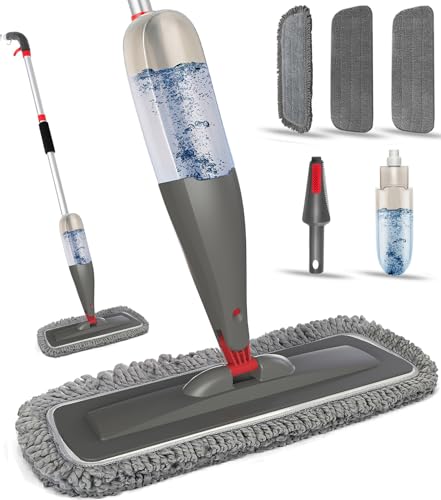
Swiffer WetJet All-in-One Spray Floor Cleaner Mop
For households that prioritize speed over cost-per-use, the WetJet earns its place because the battery-powered spray trigger is genuinely faster to use than a manual pump, and the absorbent pads pick up fine dust and liquid spills in a single pass on smooth tile or hardwood. Owner reviews are consistent that it excels at daily maintenance cleaning rather than deep scrubbing, making it the right choice for kitchens and pet households where spot-cleaning frequency matters more than heavy-duty grime removal. It is the most widely available option at retail and online, so replacement pads are never a supply issue.
Strengths
- Battery-powered spray is faster and more consistent than manual trigger mops for quick daily use
- Absorbent disposable pads handle fine pet hair and liquid spills in a single pass
- Widest retail availability of any model means pads and solution are easy to source anywhere
Drawbacks
- Ongoing cost of proprietary pads and solution cartridges adds up significantly over time versus a refillable system
- Scrubbing power is limited compared to microfiber spin or manual mops on dried-on messes
Buying considerations
Refillable vs proprietary solution system
Refillable tanks let you use any diluted floor cleaner appropriate for your floor type, which matters on sealed hardwood where pH-neutral solutions are essential. Proprietary cartridge systems like the WetJet tie you to one brand's solution and raise long-term running costs considerably. If you clean more than twice a week, refillable almost always wins on total cost within the first year.
Pad material and washability
Machine-washable microfiber pads are the standard to look for. Check that the manufacturer confirms the pad retains its microfiber texture after repeated washing, ideally specifying a wash count. Pads that pill or shed after 20 washes are a common complaint on lower-tier models. Dual-sided pads with a scrubbing strip add meaningful versatility without requiring you to carry a second accessory.
Spray mechanism type
Manual trigger pumps give you precise control over water volume, which protects laminate and floating floors from over-saturation. Battery-powered spray delivers faster coverage for larger areas but adds battery dependency. Avoid models where owners consistently report the nozzle clogging after several months, as this is a common long-term failure point even on otherwise well-rated mops.
Floor type compatibility
Most spray mops work on sealed hardwood, tile, and LVP, but check manufacturer guidance before using on unsealed wood or stone that requires specialized sealant. For textured tile with deep grout lines, spinning or scrubbing pads outperform flat microfiber significantly. For smooth luxury vinyl, any flat microfiber model performs well and the scrubbing pads can occasionally leave micro-scratches on glossy finishes if pressed hard.
Final word
The right spray mop depends almost entirely on whether you prioritize daily speed or deep-clean power, with refillable manual models winning on long-term cost and floor safety while cordless spinning options deliver noticeably better results on textured tile and grout.
Questions answered
Yes for most refillable models, but always dilute concentrate solutions to the ratio your floor manufacturer recommends. On sealed hardwood, use pH-neutral formulas only. Avoid bleach-based cleaners in the tank as they can degrade the internal pump seals over time, which is a reported issue owners note after 12-plus months of use with harsh solutions.
Most owners wash pads after every 2 to 3 uses for a typical household. If you have pets or cook frequently, washing after each use keeps the pad from redistributing absorbed grease. Machine wash in cold or warm water without fabric softener, as softener coats the microfiber and reduces its ability to trap fine particles and moisture.
Yes, provided you do not over-saturate the surface. The advantage of a spray mop over a traditional wet mop is that you control exactly how much liquid is applied. For LVP specifically, use the fine-mist setting or a light single trigger press per section, and avoid letting liquid pool near seams where it can work beneath the click-lock edges over time.
Quality microfiber pads from reputable brands typically hold their cleaning performance for 50 to 100 machine washes before the fibers start to mat and lose absorbency. Owner reports suggest that using a mesh laundry bag extends pad life by preventing the velcro attachment from snagging and pulling fibers during the wash cycle.
How we made this guide
We compare every pick on the factors that matter, cross-checking manufacturer specifications against aggregated verified owner reviews. We rank independently and never take payment for placement. We have not personally tested every product; where we have not, the ranking reflects verified specs and owner feedback rather than a hands-on review.
How it was written: this guide was researched and reviewed by the TheTestedHub editorial team for accuracy.
Affiliate disclosure: TheTestedHub is reader-supported. When you buy through links on our site, we may earn a commission at no extra cost to you.
Keep reading
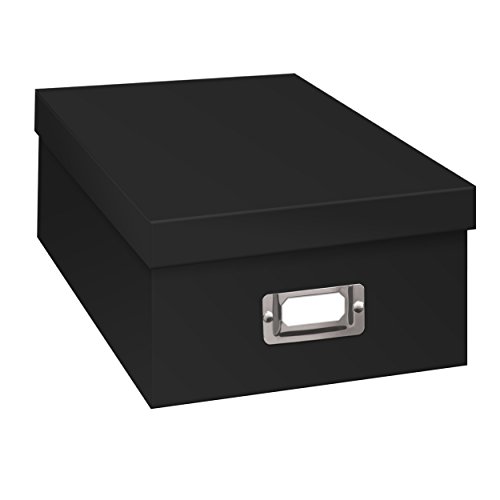
7 Memory Boxes That Keep Keepsakes Safe and Close
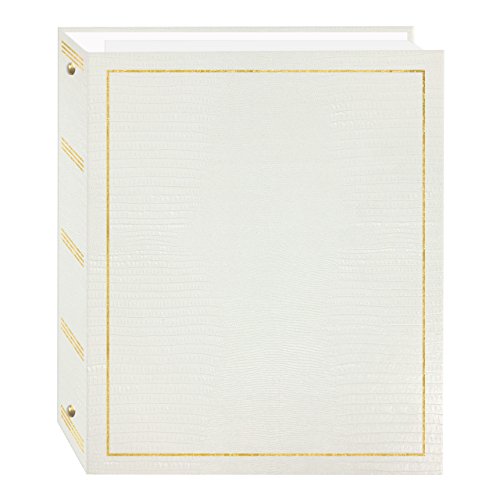
Preserve Memories with the Pioneer TMA-3-LG Magnetic Album

How to Choose the Best Reading Lamps in 2026

Looking for the Best Book Lights? Our 2026 Picks

Scented Candles Expert Recommends for 2026

Premium Adult Coloring Supplies for Every Budget

Jigsaw Puzzles Guide: Expert Picks and Honest Pros/Cons
