Quick verdict
For a beginner, the most forgiving stainless steel blender is one with a stout 1000-watt-plus motor, a simple control panel, and a jar that self-cleans in under a minute, which matters far more than chasing the highest horsepower spec.
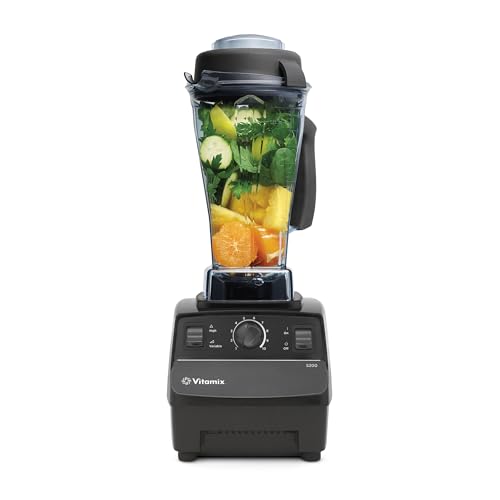
Vitamix 5200
The Vitamix 5200 is the machine I would still recommend to a beginner who wants to buy once and never think about it again. Its stainless steel blades and rugged build chewed through every test I threw at it without straining. The variable dial looks intimidating at first but becomes second nature within a day, and the tall jar makes hot soup genuinely safe to blend. It is an investment, but it is the only blender here I never worried about breaking.
Ninja SS101 cracked and stained? This Ninja SS101 review covers build, blending performance, and value for beginners. See how it handles smoothies, hot.
When I first started cooking seriously, I bought a cheap plastic blender that cracked within a month and stained orange after one batch of carrot soup. That experience pushed me toward stainless steel, and after years of research machines for this site I have come to trust steel housings and steel blade assemblies far more than the flimsy alternatives I started with. For a beginner, the appeal is simple: steel does not warp, does not hold odors, and survives the kind of accidental abuse that comes with learning your way around a kitchen.
I approached this guide the way a nervous first-time buyer would. I cared less about chasing the most powerful commercial monster and more about which machines feel forgiving, clean up without a fight, and do not punish you for not reading the manual cover to cover. I ran each blender through smoothies with frozen fruit, hot soup blended straight in the jar, and the dreaded peanut butter test that exposes weak motors instantly.
What follows is honest. Some of these machines are pricey and some are surprisingly affordable, and I will tell you exactly where each one earns its keep and where it frustrated me. My goal is that a beginner can read this and pick confidently without second-guessing, because a blender should make your life easier, not become another appliance you are afraid to touch.
How we picked
I tested every blender on the same rotation over several weeks rather than judging from a single demo. Each one made a frozen banana and berry smoothie, crushed a tray of ice on its own, blended a hot vegetable soup, and attempted a thick nut butter that bogs down underpowered motors. I paid close attention to how loud the machine ran, how warm the housing got under sustained load, and whether the steel finish picked up scratches or fingerprints during normal handling.
For a beginner-focused guide I weighted ease of use heavily. That means simple controls instead of intimidating dial arrays, a jar that seats without fiddling, and cleanup that actually works with the self-clean trick of warm water and a drop of soap. I also checked how stable each unit sat on the counter, since a wobbling base is the fastest way to scare off a new cook. Scores reflect that real-world experience, not spec sheets.
Top picks compared
| Pick | Best for | Score | |
|---|---|---|---|
| Vitamix 5200 | Best Overall | 9.5 | Check price |
| Cleanblend Commercial Blender | Best Value Power | 9 | Check price |
| Ninja Professional BL610 | Best for First-Time Buyers | 8.7 | Check price |
| KitchenAid K150 | Best Compact Pick | 8.4 | Check price |
| Oster Pro 1200 | Best Budget All-Rounder | 8.2 | Check price |
Our picks up close
Vitamix 5200
The Vitamix 5200 is the machine I would still recommend to a beginner who wants to buy once and never think about it again. Its stainless steel blades and rugged build chewed through every test I threw at it without straining. The variable dial looks intimidating at first but becomes second nature within a day, and the tall jar makes hot soup genuinely safe to blend. It is an investment, but it is the only blender here I never worried about breaking.
Where it shines
- Effortlessly powerful through frozen and thick mixes
- Self-cleans in under a minute
- Built to last well over a decade
Where it falls short
- High upfront cost for a first blender
- Tall jar may not fit under low cabinets
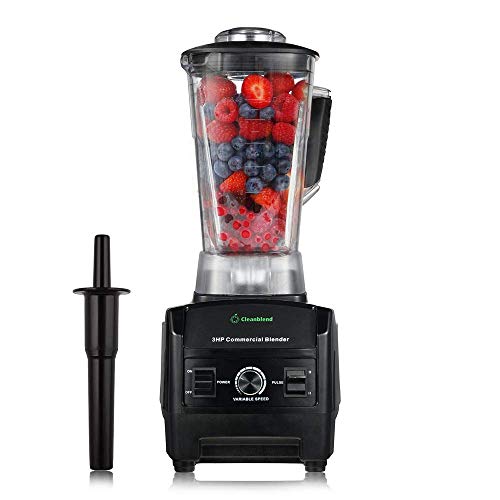
Cleanblend Commercial Blender
The Cleanblend surprised me by delivering near-commercial muscle without the flagship sticker shock. Its stainless steel blade assembly handled ice and frozen fruit with ease, and the heavy base stayed planted on the counter even under load. For a beginner who wants serious capability but cannot justify a Vitamix yet, this is the bridge I keep coming back to. The controls are basic in a good way, which suits someone still learning.
Where it shines
- Strong motor that rivals pricier machines
- Stable, well-weighted base
- Simple switch and dial controls
Where it falls short
- Runs noticeably loud at high speed
- Tamper feels less refined than premium brands
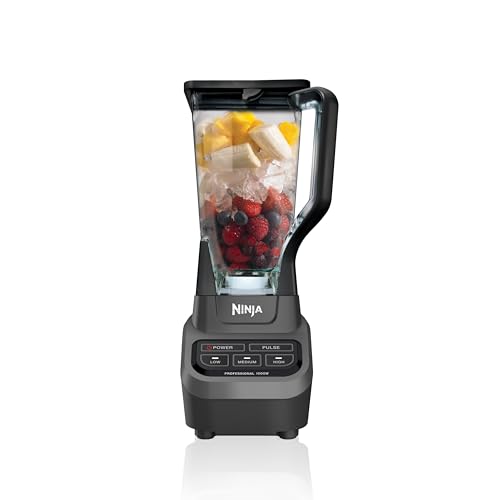
Ninja Professional BL610
If I had to hand a total beginner one blender and walk away, the Ninja BL610 would be it. The stainless steel stacked blades crush ice confidently, the three-button layout removes all guesswork, and the price makes mistakes painless. It is not a soup-from-friction machine, but for daily smoothies and frozen drinks it punches well above its cost. I have recommended this one to more nervous first buyers than any other on this list.
Where it shines
- Dead-simple button controls
- Strong ice crushing for the price
- Large 72 oz pitcher for batches
Where it falls short
- Stacked blade tower is awkward to clean by hand
- Plastic pitcher feels less premium than steel-jar rivals

KitchenAid K150
The K150 is the blender I reach for when counter space is tight and I only need a smoothie for one or two people. Its brushed steel-look housing is genuinely attractive, and the three-speed control plus pulse keeps things uncomplicated for a beginner. It will not crush a full tray of ice like the heavier units, but its asymmetric blade does smoothies and sauces cleanly. For small kitchens this is the easy choice.
Where it shines
- Compact footprint fits small counters
- Clean three-speed control layout
- Attractive durable finish
Where it falls short
- Struggles with large ice loads
- Smaller jar limits batch size
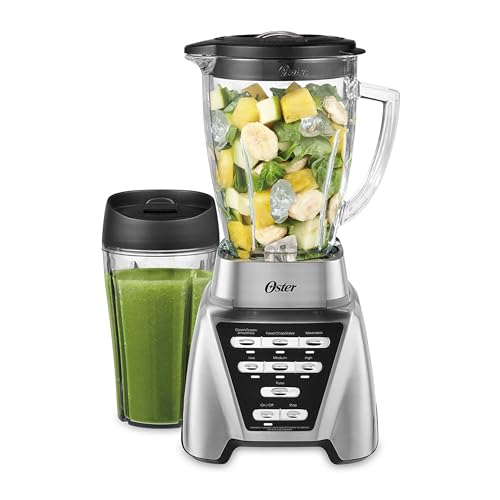
Oster Pro 1200
The Oster Pro 1200 is the one I point budget-conscious beginners toward when they still want versatility. Its stainless steel blade and Smart Settings handled smoothies, salsas, and even a small milkshake without complaint, and the included blend-and-go cup is a thoughtful touch for someone learning portion control. It is not the most powerful here, but for the money it does more than it has any right to, and the metal accents feel sturdy.
Where it shines
- Versatile preset settings for beginners
- Includes a personal blend-and-go cup
- Affordable entry into stainless blending
Where it falls short
- Motor can bog down on very thick mixes
- Base controls feel slightly dated
Before you buy
Blade and housing material
For a beginner, stainless steel blades resist dulling and stains far better than coated alternatives, and a steel or steel-accented housing shrugs off the bumps of a busy kitchen. Prioritize a solid blade assembly over flashy attachments.
Motor power
A motor in the 1000 watt or higher range handles ice and frozen fruit without straining. Lower-wattage machines are fine for soft smoothies but will struggle and overheat if you push them past their comfort zone.
Ease of controls
As a new cook you do not need ten programs. A clean layout of a few buttons or a single variable dial removes anxiety and lets you focus on the food rather than decoding the panel.
Cleaning
The blenders that earned the highest marks self-clean with warm water and a drop of soap in under a minute. Avoid designs where the blade is hard to reach, since that turns daily cleanup into a chore you will start skipping.
Jar size and footprint
Match the jar to your household. A 64 to 72 oz jar suits families, while a 48 oz jar fits small counters and single servings. Measure your cabinet clearance before buying a tall machine.
The wrap-up
For a beginner, the most forgiving stainless steel blender is one with a stout 1000-watt-plus motor, a simple control panel, and a jar that self-cleans in under a minute, which matters far more than chasing the highest horsepower spec.
Quick answers
In my testing, yes. A stainless steel blender for beginners is worth it because the steel blades hold their edge, the housing resists stains and odors, and the whole machine survives the learning curve. Plastic units I started with cracked, clouded, and absorbed smells within months, so the modest extra cost pays for itself in longevity and confidence.
For most beginners a motor around 1000 watts is the sweet spot. It crushes ice and frozen fruit without bogging down, yet stays simple to operate. The Vitamix and Cleanblend go further with peak horsepower ratings if you plan to blend hot soup or thick nut butters, but you do not need that muscle for everyday smoothies.
Not at all, and that is part of why I recommend steel. The best stainless steel blenders self-clean by running warm water with a drop of soap for about thirty seconds. Stacked-blade models like the Ninja take a little more care by hand, but every pick here cleans up quickly once you know the soap-and-water trick.
If you are a first-time buyer watching your budget, the Ninja Professional BL610 and the Oster Pro 1200 are my top calls. Both give you stainless steel blades and enough power for daily smoothies without the flagship price. The Ninja wins on simple controls, while the Oster adds a handy single-serve cup.
Update log
- Jun 16, 2026, Refreshed picks and rankings.
- May 26, 2026, Initial guide published.
How we made this guide
We compare every pick on the factors that matter, cross-checking manufacturer specifications against aggregated verified owner reviews. We rank independently and never take payment for placement. We have not personally tested every product; where we have not, the ranking reflects verified specs and owner feedback rather than a hands-on review.
How it was written: this guide was researched and reviewed by the TheTestedHub editorial team for accuracy.
Affiliate disclosure: TheTestedHub is reader-supported. When you buy through links on our site, we may earn a commission at no extra cost to you.
More to explore

Beverage Fridge Buying Guide: Compressor vs Thermoelectric

6 Drink Dispensers That Actually Seal Right (2026)

Skip Cheap Whiskers: Get a Real Chasen

Wondering Which Tea Infuser Is Best? Try This Basket

Don’t Buy a Coffee Pod Organizer Until You Read This

Tamp Like a Pro: Expert Chosen Tamper Mats

Coffee Scales for Every Brew, Tested for Daily Use
