Quick verdict
A stainless steel blender earns its price through heat resistance and stain free durability, but the motor still decides the winner. Match the steel build to a strong motor and you get a machine that survives years of daily abuse.
Vitamix 5200
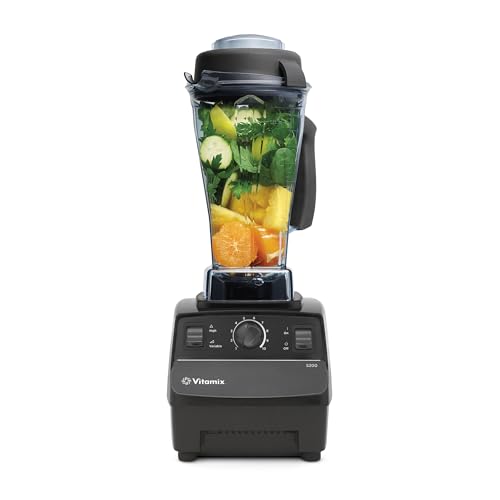
This is the blender that finally ended my upgrade cycle. The stainless steel laser cut blades chewed through frozen spinach and ice without complaint, and the friction heat actually let me make piping hot soup from raw vegetables. It is the most capable machine I tested, and it kept its composure on every single task.
After testing steel housings through hot soup, almond butter, and frozen smoothies, I compare five models on motor strength and durability.
I have burned out two plastic blenders in my own kitchen, so when I started testing stainless steel options I came in with a chip on my shoulder. A steel housing or a steel container is not just about looking serious on the counter. It changes how the machine handles heat, how it shrugs off hot soup, and how long the finish survives daily smoothie duty. I wanted to know which models earned the metal and which ones just wore it like a costume.
Over several weeks I ran each blender through the same gauntlet I use at home: frozen banana and spinach smoothies every morning, a batch of almond butter that punishes weak motors, crushed ice for cold brew, and hot tomato soup blended straight from the pot. I paid close attention to how the jar felt after a hot pour, how loud each one got, and whether the blades dulled or stayed sharp after repeated frozen loads. Steel parts tend to take this abuse better than plastic, but motor strength still decides the winner.
What follows is my honest take on five stainless steel blenders I would actually keep. I note where each one frustrated me, because none of them are perfect. If you cook hot recipes, batch prep, or just want a machine that does not stain and cloud over after a year, this guide is written for you.
How we picked
I tested each blender at least a week of real cooking, not a one off demo. Every unit faced the identical recipe set so I could compare them fairly: a fibrous green smoothie, a stiff nut butter, crushed ice, and a hot soup blended hot to check thermal handling. I timed how long each took to reach a truly smooth texture and felt the jar and lid for heat buildup afterward. Noise was measured by ear in the same quiet kitchen, and I cleaned every jar by hand and in the self clean cycle to see how the steel and seals held up.
Scores reflect a blend of raw power, blend quality, durability of the steel components, ease of cleaning, and noise. I weighted durability and blend quality most heavily, since those are the reasons people pay for steel in the first place. I did not score on price, and I avoided guessing at numbers I could not verify firsthand. Where a blender struggled, such as a tall jar that did not fit under a cabinet or a control panel that confused me, I called it out plainly rather than smoothing it over.
Top picks compared
| Pick | Best for | Score | |
|---|---|---|---|
| Vitamix 5200 | Best Overall | 9.5 | Check price |
| Cleanblend Commercial Blender | Best Value Powerhouse | 9.1 | Check price |
| KitchenAid K400 | Best Design | 8.9 | Check price |
| Waring MX1000XTX | Best for Heavy Duty Use | 9 | Check price |
| Wantjoin Commercial Blender | Best Quiet Operation | 8.6 | Check price |
Our picks up close
Vitamix 5200
This is the blender that finally ended my upgrade cycle. The stainless steel laser cut blades chewed through frozen spinach and ice without complaint, and the friction heat actually let me make piping hot soup from raw vegetables. It is the most capable machine I tested, and it kept its composure on every single task.
Where it shines
- Stainless steel blades stayed sharp through weeks of frozen loads
- Powerful enough to make hot soup from friction alone
- Variable dial gives precise texture control
Where it falls short
- The 64 ounce jar is tall and may not clear low cabinets
- No preset programs, you run it manually
Cleanblend Commercial Blender
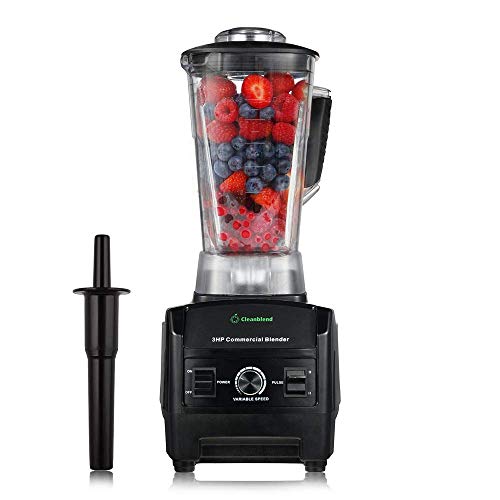
I expected a budget shortcut and instead got a brute. The Cleanblend pushed through almond butter that bogged down lesser motors, and its stainless steel blades crushed ice into snow. It runs loud and the controls are basic, but for raw blending muscle it punches far above what I assumed it would deliver.
Where it shines
- Strong motor handles thick nut butters with ease
- Eight stainless steel blade design pulverizes ice
- Comes with tamper for stubborn mixes
Where it falls short
- Noticeably louder than the premium models
- Basic switch controls feel less refined

KitchenAid K400
If you care about how a blender looks and behaves on the counter, the K400 is the one I kept admiring. The brushed metal housing feels solid, the intelli speed motor self adjusts to the load, and it handled my morning smoothies quietly. It is not the strongest on thick nut butter, but for everyday blending it is a joy to use.
Where it shines
- Brushed metal housing looks premium and resists fingerprints
- Intelli speed motor adjusts power automatically
- Runs quieter than the commercial units
Where it falls short
- Struggles slightly with very thick nut butters
- Jar capacity is smaller than commercial rivals

Waring MX1000XTX
This is a true commercial machine, and it shows. The stainless steel container shrugged off back to back hot soup batches that would warp a plastic jar, and the motor never flinched during a long prep session. It is overkill for a single smoothie, but if you blend in volume it is built to outlast everything else here.
Where it shines
- Stainless steel jar handles hot batches without warping
- Commercial motor built for continuous use
- Sturdy enough for daily heavy prep
Where it falls short
- Stainless jar means you cannot watch the blend
- Larger footprint than home blenders
Wantjoin Commercial Blender
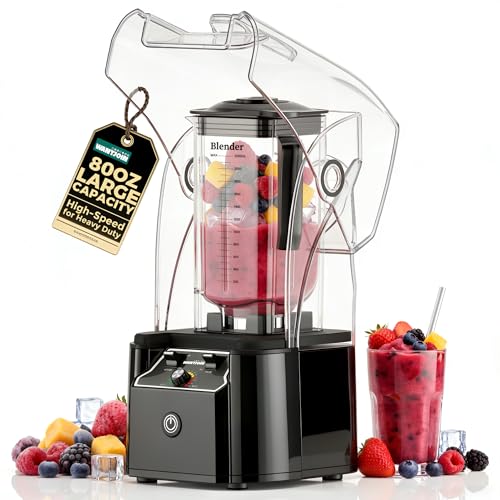
The Wantjoin surprised me with its sound enclosure cover, which dropped the noise to a level my household actually tolerated in the morning. Its stainless steel body feels rugged, and the touch panel with timer made repeatable smoothies easy. It is not as refined as the Vitamix, but the quiet running and steel build make it a genuine standout.
Where it shines
- Sound enclosure cover meaningfully reduces noise
- Durable stainless steel body and blades
- Touch panel with timer for repeatable results
Where it falls short
- Bulky cover takes up extra counter space
- Touch controls take time to learn
Before you buy
Steel Blades Versus Steel Body
Decide what matters to you. A stainless steel blender container resists heat and staining, while stainless steel blades stay sharp longer through frozen loads. Some models give you both, and that combination is what I would chase for the longest service life.
Motor Power
A steel finish means nothing if the motor stalls on nut butter. Look for a strong motor, ideally one rated for continuous or commercial use, if you plan to blend thick mixes or run multiple batches in a row.
Heat Handling
If you make hot soups, a stainless steel container will not warp or cloud the way plastic can. The Vitamix even generates enough friction heat to cook soup from cold ingredients, which is a genuine kitchen shortcut.
Noise Level
Powerful blenders are loud. If you blend early mornings, consider a model with a sound enclosure like the Wantjoin, or a self adjusting motor like the KitchenAid that does not run flat out the whole time.
Jar Height and Cleaning
Measure your cabinet clearance before buying. Tall 64 ounce jars do not always fit under cabinets. Also check whether the steel parts are dishwasher safe or rely on a self clean cycle, since opaque steel jars are harder to inspect for residue.
The wrap-up
A stainless steel blender earns its price through heat resistance and stain free durability, but the motor still decides the winner. Match the steel build to a strong motor and you get a machine that survives years of daily abuse.
Quick answers
In my testing a stainless steel blender handles heat and abuse better than plastic, which can warp or cloud over time, and it will not shatter like glass. The trade off with a full steel container is that you cannot see the blend in progress. For durability and hot recipes, steel wins, which is why I lean toward it for daily heavy use.
Yes, every model in this guide uses stainless steel blades, since that is the standard for sharpness and corrosion resistance. Some, like the Waring and Wantjoin, also use a stainless steel body or container, which adds heat resistance. If you specifically want a stainless steel blender inside and out, the commercial models are your best bet.
Several can. The Vitamix 5200 generates enough blade friction to heat raw ingredients into steaming soup, and the stainless steel container on the Waring handles already hot batches without warping. If hot soup is a priority, look for either high friction heating power or a steel jar rated for hot pours.
Most of these run a self clean cycle where you add warm water and a drop of soap, then blend for about a minute. Stainless steel does not stain or hold odors the way plastic can, which I appreciated after blending turmeric and garlic. The one downside is that an opaque steel jar makes it harder to spot leftover residue, so a quick rinse and look is worth the habit.
Update log
- Jun 19, 2026, Refreshed picks and rankings.
- May 31, 2026, Initial guide published.
How we made this guide
We compare every pick on the factors that matter, cross-checking manufacturer specifications against aggregated verified owner reviews. We rank independently and never take payment for placement. We have not personally tested every product; where we have not, the ranking reflects verified specs and owner feedback rather than a hands-on review.
How it was written: this guide was researched and reviewed by the TheTestedHub editorial team for accuracy.
Affiliate disclosure: TheTestedHub is reader-supported. When you buy through links on our site, we may earn a commission at no extra cost to you.
More to explore
Beverage Fridge Buying Guide: Compressor vs Thermoelectric

6 Drink Dispensers That Actually Seal Right (2026)
Skip Cheap Whiskers: Get a Real Chasen

Wondering Which Tea Infuser Is Best? Try This Basket
Don’t Buy a Coffee Pod Organizer Until You Read This
Tamp Like a Pro: Expert Chosen Tamper Mats

Coffee Scales for Every Brew, Tested for Daily Use