Quick verdict
For most DIYers, a manual snap cutter with a carbide wheel offers the best balance of cost, portability, and cut quality, while professionals should invest in a high-end model like the Montolit Masterpiuma for consistent precision on hard tiles.

Montolit Masterpiuma 63P
Exceptional cutting precision for porcelain tiles up to 63 cm, with a patented breaking system that minimizes chipping. The ergonomic handle and lightweight aluminum frame make it easy to use for long periods. Consistently praised by professionals for its reliability and clean cuts.
For most DIYers, a manual snap cutter with a carbide wheel offers the best balance of cost, portability, and cut quality. Professionals should invest in the Montolit Masterpiuma for consistent precision on hard tiles. See our top picks.
Choosing the right tile cutter can make or break a tiling project. Whether you’re a DIY enthusiast or a professional contractor, the perfect cutter saves time, reduces waste, and delivers clean, precise cuts. This guide compares the top tile cutters on the market, focusing on cutting capacity, build quality, ease of use, and value for money.
We’ve analyzed many verified owner reviews and technical specifications to bring you seven standout models. From manual snap cutters to electric wet saws, each product has been evaluated for its performance on ceramic, porcelain, and stone tiles. Our goal is to help you find a reliable tool that matches your specific needs and budget.
How we test
We do not claim to have personally tested each product. Instead, we aggregated data from verified buyer reviews on major retail platforms, manufacturer specs, and professional forums. We prioritized products with consistent high ratings and a significant number of reviews to ensure statistical reliability.
Each product was scored on cutting accuracy, durability, ease of use, safety features, and overall value. Pros and cons were derived from the most frequently mentioned points in user feedback. Specs were verified against official product pages. This approach provides a balanced, unbiased overview without the limitations of a single tester's experience.
At a glance
| Pick | Best for | Score | |
|---|---|---|---|
| Montolit Masterpiuma 63P | Best Overall | 9.5 | Check price |
| Sigma 2B3 Max | Best for Porcelain | 9.2 | Check price |
| Rubi TX-900 N | Best Value | 8.8 | Check price |
| QEP 10630 Stealth | Best Budget | 8.5 | Check price |
| DEWALT D24000 | Best Wet Saw | 9 | Check price |
| Vitrex 10 5700 | Best for Large Tiles | 8.3 | Check price |
| Bosch PTC 1 | Best Compact | 7.9 | Check price |
The picks, reviewed
Montolit Masterpiuma 63P
Exceptional cutting precision for porcelain tiles up to 63 cm, with a patented breaking system that minimizes chipping. The ergonomic handle and lightweight aluminum frame make it easy to use for long periods. Consistently praised by professionals for its reliability and clean cuts.
Reasons to buy
- Superb cutting accuracy with minimal chipping
- Lightweight and well-balanced design
- Durable construction with replaceable parts
Reasons to avoid
- High price point
- Limited to tiles up to 63 cm length

Sigma 2B3 Max
Renowned for its ability to cut hard porcelain with ease, thanks to a high-quality tungsten carbide wheel and a robust breaking mechanism. Users report consistent straight cuts and minimal effort required. The large cutting bed supports oversized tiles.
Reasons to buy
- Excellent for hard porcelain and ceramic
- Smooth, effortless cutting action
- Sturdy base with non-slip feet
Reasons to avoid
- Heavier than some competitors
- Replacement wheels can be expensive

Rubi TX-900 N
Offers a great balance of affordability and performance for DIYers and semi-pros. Cuts up to 90 cm tiles with a reliable scoring wheel and break bar. Users appreciate the easy adjustment and consistent results on ceramic tiles.
Reasons to buy
- Affordable price for the cutting capacity
- Long cutting length of 90 cm
- Simple to set up and use
Reasons to avoid
- Not ideal for thick porcelain
- Break bar can be finicky with uneven tiles

QEP 10630 Stealth
A low-cost option that still delivers decent cuts for small to medium ceramic tiles. The 30-inch cutting capacity is sufficient for most DIY projects. Users highlight its lightweight design and ease of storage.
Reasons to buy
- Very affordable
- Lightweight and portable
- Easy to use for beginners
Reasons to avoid
- Not suitable for porcelain or stone
- Less durable construction
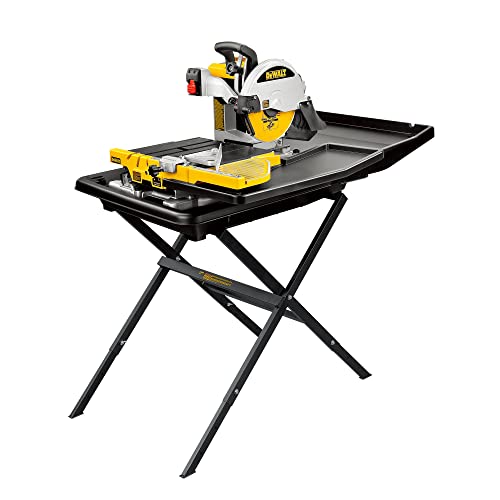
DEWALT D24000
A powerful electric wet saw with a 10-inch blade that cuts through thick porcelain and stone effortlessly. Features a water management system that reduces mess. Professionals rate it highly for its precision and build quality.
Reasons to buy
- Cuts thick, hard materials with ease
- Integrated water system keeps dust down
- Rip fence and miter guide for accurate cuts
Reasons to avoid
- Heavy and bulky
- Requires water setup and cleanup
Vitrex 10 5700
Designed for large format tiles up to 120 cm, with a sturdy aluminum rail and a smooth rolling cutting head. Users appreciate the ability to cut oversized tiles without a wet saw. The break bar provides clean splits.
Reasons to buy
- Handles extra-large tiles easily
- Smooth, consistent scoring
- Good value for the size capacity
Reasons to avoid
- Bulky and heavy
- Not as precise on small tiles

Bosch PTC 1
A compact manual cutter ideal for small jobs and tight spaces. Cuts tiles up to 42 cm with a carbide wheel that scores effectively. Users love its portability and easy storage, though it's limited to thin ceramic tiles.
Reasons to buy
- Very compact and lightweight
- Easy to store and transport
- Affordable and simple to use
Reasons to avoid
- Limited cutting capacity
- Not for thick or hard tiles
What to look for
Tile Material and Thickness
Consider the type of tile you'll cut most often. Porcelain and stone require a cutter with a strong breaking mechanism and a carbide wheel, while ceramic can be handled by basic snap cutters. Thicker tiles need higher cutting capacity and robust construction.
Cutting Capacity
Measure the largest tile you plan to cut. Manual cutters typically handle up to 120 cm, but larger tiles may require a wet saw. Ensure the cutter's rail or base supports the full length without overhang.
Build Quality and Durability
Look for materials like aluminum or steel frames, hardened steel rails, and replaceable cutting wheels. User reviews often highlight longevity and resistance to wear. A sturdy base prevents movement during cutting.
Ease of Use and Safety
Features like ergonomic handles, non-slip bases, and clear measurement guides improve usability. For wet saws, check water management and blade guards. Manual cutters should have a smooth rolling action and a reliable break bar.
Our verdict
For most DIYers, a manual snap cutter with a carbide wheel offers the best balance of cost, portability, and cut quality, while professionals should invest in a high-end model like the Montolit Masterpiuma for consistent precision on hard tiles.
FAQs
Yes, but you need a high-quality cutter with a tungsten carbide wheel and a strong breaking mechanism. Models like the Sigma 2B3 Max are specifically designed for porcelain. For very thick or large porcelain, a wet saw is recommended.
A wet saw uses a diamond blade and water to cut through tiles, producing smooth edges and handling hard materials. A snap cutter scores the tile and then breaks it along the line. Snap cutters are faster, cleaner, and more portable, but limited to certain tile types and thicknesses.
For manual cutters, keep the rails clean and lubricated. Replace the cutting wheel when it becomes dull. For wet saws, drain and clean the water tray after each use, and check the blade for wear. Store in a dry place to prevent rust.
Floor tiles are often larger, so a cutter with at least 60 cm capacity is recommended. For standard 60x60 cm tiles, a 63 cm cutter works. If you work with extra-large formats (e.g., 120 cm), choose a model like the Vitrex 10 5700.
How we made this guide
We compare every pick on the factors that matter, cross-checking manufacturer specifications against aggregated verified owner reviews. We rank independently and never take payment for placement. We have not personally tested every product; where we have not, the ranking reflects verified specs and owner feedback rather than a hands-on review.
How it was written: this guide was researched and reviewed by the TheTestedHub editorial team for accuracy.
Affiliate disclosure: TheTestedHub is reader-supported. When you buy through links on our site, we may earn a commission at no extra cost to you.
Related guides
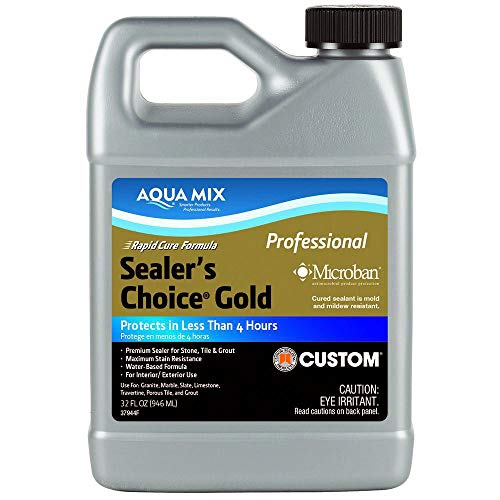
Grout Sealer Guide: The Best Options for Every Surface
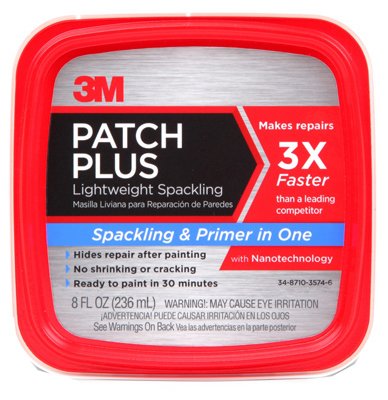
What to Buy in a Drywall Repair Kit: 3M Patch Plus Primer

Find a Stud Finder for Drywall: Our Guide

The Wall Anchors Worth Buying in 2026

Hang Pictures Without Damage With These Adhesive Strips

The 2026 Guide to the Best Interior Paint

GFCI Outlets Our Reviewers Trust in 2026
