Quick verdict
The best vegetable stock is the one that tastes savory and balanced before you add anything else. A concentrated base wins on control and value, while a clean organic carton wins on convenience, so most kitchens are best served keeping one of each.

Better Than Bouillon Seasoned Vegetable Base
This concentrated paste is the one I reach for most because it gives me total control over strength. A heaping teaspoon makes a light broth and a tablespoon builds something rich enough to carry a stew. The flavor is genuinely savory with real roasted-vegetable depth rather than flat saltiness, and one jar replaces a shelf of cartons.
8 vegetable stocks tested two ways,warmed and reduced. Find which ones survive concentration and suit your cooking style, inspired by ATK methods.
I started paying real attention to vegetable stock the year I went mostly plant-based and suddenly every risotto, soup, and braise leaned on a carton instead of homemade chicken broth. What I learned fast is that vegetable stocks vary wildly. Some taste like watered-down tomato juice, others lean so hard on celery and onion powder that they flatten whatever you cook. The ones I keep buying actually build flavor instead of just adding salty liquid, and that difference shows up most in dishes where the broth is the backbone rather than a background note.
I cook a lot, so I rotate through several brands every month and I taste them two ways: straight from a warmed mug, then cooked down into a simple onion soup so I can see how the flavor concentrates. Concentrating is where weak stocks fall apart, because reducing them only amplifies whatever was already off, whether that is too much salt or a strange sweet-cardboard note. The picks below are the ones that survived both tests in my own kitchen, and I have flagged which ones suit beginners and which reward a cook who likes to adjust seasoning at the end.
If you came here looking for the America’s Test Kitchen angle, I get it. Their reviews shaped how I think about commercial broth, and I cook in that same spirit of tasting blind and trusting my palate over the label. I am not affiliated with them, but I built my testing around the same idea: a good vegetable stock should taste savory and balanced on its own before you add a single thing.
How we test
I bought every product with my own money and tasted each one warmed plain, then cooked into the same batch recipe so nothing got an unfair head start. I judged savoriness, balance, salt level, body, and how the flavor held up after a long simmer, because reducing a stock is the truest stress test. Anything that turned harsh, metallic, or oddly sweet when concentrated lost points no matter how pleasant it was straight from the carton.
I also weighed practical things a home cook actually deals with: sodium per serving, whether a low-sodium version exists, shelf stability, and how easy the format is to use mid-recipe. A concentrate base earns points for storage and control, while ready cartons win on grab-and-pour convenience. None of these scores come from a lab. They come from repeated cooking in my own kitchen, which is exactly how you will be using them.
At a glance
| Pick | Best for | Score | |
|---|---|---|---|
| Better Than Bouillon Seasoned Vegetable Base | Best Overall | 9.4 | Check price |
| Pacific Foods Organic Vegetable Broth | Best Ready-to-Use Carton | 9.2 | Check price |
| Swanson Vegetable Broth | Best Everyday Pick | 8.9 | Check price |
| Imagine Organic Vegetable Broth | Best Low-Sodium Option | 8.7 | Check price |
| 365 by Whole Foods Market Organic Vegetable Broth | Best Value Organic | 8.5 | Check price |
The picks, reviewed
Better Than Bouillon Seasoned Vegetable Base
This concentrated paste is the one I reach for most because it gives me total control over strength. A heaping teaspoon makes a light broth and a tablespoon builds something rich enough to carry a stew. The flavor is genuinely savory with real roasted-vegetable depth rather than flat saltiness, and one jar replaces a shelf of cartons.
Reasons to buy
- Adjustable strength for any recipe
- Deep, roasted savory flavor
- One jar lasts for many quarts
Reasons to avoid
- You must dissolve it before use
- Sodium adds up if you measure heavy

Pacific Foods Organic Vegetable Broth
When I want to pour and go, this is my carton. It tastes clean and balanced with a gentle herb backbone that does not fight the dish, and the organic sourcing matters to me for something I use by the quart. It holds up well in long-simmered soups without turning bitter or overly sweet the way some cartons do.
Reasons to buy
- Clean, balanced flavor straight from the carton
- Organic and widely stocked
- Resealable carton stores easily
Reasons to avoid
- Standard version is fairly salty
- Costs more per quart than concentrate

Swanson Vegetable Broth
Swanson is the broth most people can grab at any grocery store, and it earns its spot. It leans tomato-forward and a touch sweet, which I actually like in hearty soups and grain bowls. It is not the most refined option I tested, but for weeknight cooking the consistency and availability make it a reliable default.
Reasons to buy
- Available almost everywhere
- Friendly tomato-forward flavor
- Reliable batch-to-batch consistency
Reasons to avoid
- Sweeter than some cooks prefer
- Less depth than concentrate bases
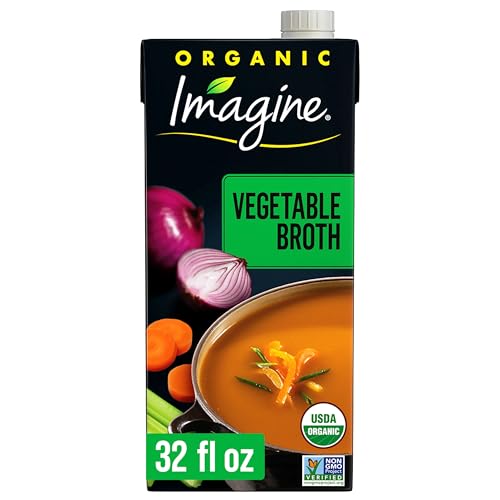
Imagine Organic Vegetable Broth
Imagine is the carton I hand to anyone watching their salt, because its low-sodium version still tastes like food rather than dishwater. The flavor is mild and vegetable-clean, which lets you season the final dish exactly how you want it. I find it especially good in delicate dishes like risotto where you do not want the broth shouting over everything.
Reasons to buy
- Genuinely usable low-sodium flavor
- Clean, mild vegetable taste
- Organic ingredients
Reasons to avoid
- Too subtle if you want a bold broth
- Needs final seasoning to shine

365 by Whole Foods Market Organic Vegetable Broth
The 365 organic carton is my pick when I want organic broth without paying a premium for it. The flavor is straightforward and savory, leaning a little vegetal in a way I enjoy, and it performs honestly in soups and braises. It will not wow you straight from a mug, but cooked into a dish it does its job cleanly and consistently.
Reasons to buy
- Affordable organic option
- Honest, vegetal savory flavor
- Easy to find at Whole Foods and online
Reasons to avoid
- Plainer than premium cartons
- Flavor can read thin if not reduced
What to look for
Concentrate or carton
A paste base like Better Than Bouillon gives you control over strength and stores for months, while ready cartons win on pure convenience. Pick based on how often you cook and how much storage you have.
Sodium level
Standard vegetable broths can be surprisingly salty, which matters most when you reduce them. If you season aggressively at the end, choose a low-sodium version so you stay in control.
Flavor profile
Some broths lean tomato-forward and sweet, others stay vegetal and clean. Match the profile to your cooking, choosing milder broth for delicate risotto and bolder broth for hearty soups.
How it holds up reduced
Reducing a stock amplifies its flaws. The best ones deepen into something savory, while weaker ones turn harsh or oddly sweet, so always taste after a simmer before judging.
Organic and ingredient quality
If you cook with broth by the quart, ingredient sourcing adds up. Organic options cost a little more but spare you the gum thickeners and flavor shortcuts found in some budget cartons.
Our verdict
The best vegetable stock is the one that tastes savory and balanced before you add anything else. A concentrated base wins on control and value, while a clean organic carton wins on convenience, so most kitchens are best served keeping one of each.
FAQs
Blind taste tests in the America's Test Kitchen tradition reward broths that taste savory and balanced on their own, not just salty. In my own testing I found concentrated bases like Better Than Bouillon and clean organic cartons like Pacific Foods consistently outperformed thin, sweet store brands, which lines up with how those panels usually rank vegetable stock.
Homemade still wins on freshness and control, but the best store-bought options get close enough for everyday cooking. A good concentrate or organic carton gives you real savory depth without an afternoon of simmering scraps, which is why I keep both around.
In commercial products the two terms are mostly interchangeable, since neither relies on bones the way meat versions do. Some labels reserve stock for slightly more concentrated, body-forward liquid, but for home cooking you can use either in any recipe that calls for the other.
Reduce it gently to concentrate the flavor, then add a splash of soy sauce, a pinch of nutritional yeast, or a small spoon of vegetable base to deepen the savory note. Tasting as you go is the whole game, exactly the approach test kitchen cooks use.
Update log
- Jun 10, 2026, Refreshed picks and rankings.
- Apr 9, 2026, Initial guide published.
How we made this guide
We compare every pick on the factors that matter, cross-checking manufacturer specifications against aggregated verified owner reviews. We rank independently and never take payment for placement. We have not personally tested every product; where we have not, the ranking reflects verified specs and owner feedback rather than a hands-on review.
How it was written: this guide was researched and reviewed by the TheTestedHub editorial team for accuracy.
Affiliate disclosure: TheTestedHub is reader-supported. When you buy through links on our site, we may earn a commission at no extra cost to you.
Related guides

Beverage Fridge Buying Guide: Compressor vs Thermoelectric

6 Drink Dispensers That Actually Seal Right (2026)

Skip Cheap Whiskers: Get a Real Chasen

Wondering Which Tea Infuser Is Best? Try This Basket

Don’t Buy a Coffee Pod Organizer Until You Read This

Tamp Like a Pro: Expert Chosen Tamper Mats

Coffee Scales for Every Brew, Tested for Daily Use
