Quick verdict
The best vintage coffee grinder for you depends on whether you are buying the look or the cup. Genuine heritage box mills reward slow mornings and shelf appeal, while modern hand grinders carry the same crank-and-burr ritual with the grind consistency your coffee actually needs.

Zassenhaus Santiago Manual Coffee Grinder
This is the grinder that finally made me stop romanticizing the old box mills and start using one daily. The German-made conical burr is genuinely precise, and the beech wood body gives you that classic vintage silhouette without the rattling slop of cheap reproductions. Crank tension is smooth and the drawer catches the grounds cleanly. It is the rare antique-style mill I trust for actual pour over.
Shopping for a vintage coffee grinder? I tested antique-style and modern manual mills for grind consistency, build quality, and wrist comfort. Find your.
I started chasing vintage coffee grinders the year I inherited my grandmother’s cast iron box mill, and that one crank handle taught me more about coffee than any electric burr grinder ever did. There is something honest about the resistance you feel through the handle when whole beans give way, and I have spent the last few seasons grinding through a rotating bench of old-style and reproduction mills to figure out which ones actually earn a place on a real kitchen counter.
What I quickly learned is that the words vintage coffee grinder cover two very different things. Some are genuine antique-styled wooden box mills with a drawer underneath, the kind that look gorgeous on a shelf. Others are modern hand grinders built with the same crank-and-burr soul but far better consistency. I tested both, because honestly most people who search for a vintage grinder want the look and the ritual without sacrificing the cup.
For this guide I ground pour over, French press, and the occasional espresso dose every morning for weeks, paying attention to grind uniformity, how my wrist felt afterward, and how easy each mill was to clean. I did not measure anything in a lab, so treat my notes as one obsessive home brewer’s real-world read rather than gospel. My goal is to help you pick a grinder you will still be cranking happily a year from now.
Our testing process
I judged every grinder on the things that matter when you actually live with one: grind consistency across coarse and fine settings, how stable the body stays while you crank, the feel and durability of the burr set, and how much fuss cleanup involves. I weighed daily-use practicality heavily, because a beautiful mill that frustrates you at 6am gets shoved into a cupboard fast. I also looked at how repeatable the grind setting is, since a wandering adjustment ruins the whole point of grinding fresh.
My ratings lean on extended real-world use rather than spec sheets, and I tried to separate genuine antique-style charm from real brewing performance. Where a grinder is mostly decorative, I say so plainly. Prices shift constantly on Amazon, so I have left exact dollar figures out and focused on relative value instead. If a mill struggled with one brew method but shined at another, that lands in the notes so you can match it to how you actually drink your coffee.
Quick comparison
| Pick | Best for | Score | |
|---|---|---|---|
| Zassenhaus Santiago Manual Coffee Grinder | Best Overall | 9.4 | Check price |
| Hario Skerton Pro Ceramic Coffee Mill | Best Everyday Value | 9 | Check price |
| Peugeot Antique Coffee Grinder | Best Display Piece | 8.7 | Check price |
| 1Zpresso JX Manual Coffee Grinder | Best Performance Upgrade | 9.3 | Check price |
| Brillante Wooden Manual Coffee Grinder | Best Budget Vintage Look | 8.3 | Check price |
Reviewed in detail
Zassenhaus Santiago Manual Coffee Grinder
This is the grinder that finally made me stop romanticizing the old box mills and start using one daily. The German-made conical burr is genuinely precise, and the beech wood body gives you that classic vintage silhouette without the rattling slop of cheap reproductions. Crank tension is smooth and the drawer catches the grounds cleanly. It is the rare antique-style mill I trust for actual pour over.
What we liked
- Excellent grind consistency from a hand mill
- Beautiful traditional wood and steel build
- Backed by a long-standing burr warranty
What we didn't like
- Slower than electric for large batches
- Premium positioning over basic mills
Hario Skerton Pro Ceramic Coffee Mill
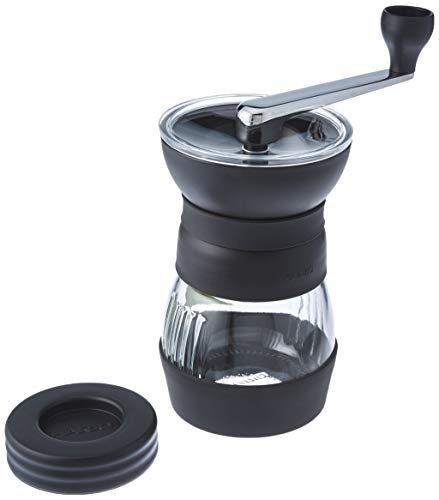
The Skerton Pro is not antique in looks, but it carries the same hand-crank soul and grinds far better than its modest footprint suggests. The redesigned burr clamp fixed the wobble that plagued the original, so my grind setting actually holds now. For someone who wants the manual ritual without babysitting a wooden mill, this is the one I hand to friends.
What we liked
- Stable, repeatable grind adjustment
- Glass base resists static cling
- Easy to disassemble and rinse
What we didn't like
- Plastic crank feels less premium
- Look is modern, not truly vintage

Peugeot Antique Coffee Grinder
Peugeot built coffee mills long before they built cars, and this antique-style model leans hard into that heritage. The wooden box and aged metalwork look stunning on a shelf, and the steel burr still grinds a respectable cup. I reach for it less for speed and more for slow weekend mornings, which is exactly what a vintage grinder should be about.
What we liked
- Authentic heritage brand pedigree
- Striking display-worthy appearance
- Solid steel grinding mechanism
What we didn't like
- Slower crank for fine grinds
- More decorative than high-volume

1Zpresso JX Manual Coffee Grinder
If you love the hand-crank ritual but want modern precision, the 1Zpresso JX is the grinder that spoiled me. The 48mm steel burr chews through beans fast and the numbered external dial makes dialing in espresso or pour over genuinely repeatable. It is not vintage in style, yet it delivers the consistency that old box mills only dream about, so I include it for buyers who care more about the cup.
What we liked
- Outstanding grind uniformity
- Fast grinding with large steel burrs
- Precise numbered adjustment dial
What we didn't like
- Industrial look, not antique
- Heavier in the hand

Brillante Wooden Manual Coffee Grinder
For anyone who mostly wants the antique box-mill aesthetic without a big spend, this wooden crank grinder nails the look. The drawer pulls out for grounds and the cast metal hopper gives it real visual charm on a counter. Grind consistency is fine for French press and drip rather than espresso, but for casual brewers chasing that vintage vibe it earns its keep.
What we liked
- Affordable classic box-mill styling
- Pull-out drawer for grounds
- Compact counter footprint
What we didn't like
- Coarse grind better than fine
- Lighter build than heritage mills
How to choose
Burr Material
Steel and ceramic conical burrs grind far more evenly than the old flat blade plates in some antiques. If you care about the cup, prioritize a real burr set over pure looks.
Style Versus Performance
Decide whether you want a genuine antique-style display piece or a modern hand mill with vintage spirit. Both have a place, but they brew very differently.
Grind Adjustment
Look for an adjustment that holds its setting. External numbered dials repeat best, while internal screws on box mills take more trial and error.
Stability While Cranking
A wobbly upper burr ruins consistency. The mills that clamp the burr firmly produced noticeably more uniform grounds in my testing.
Cleaning and Maintenance
Hand grinders need regular brushing to clear oils and fines. Choose one that disassembles without tools so upkeep stays a two minute job.
The bottom line
The best vintage coffee grinder for you depends on whether you are buying the look or the cup. Genuine heritage box mills reward slow mornings and shelf appeal, while modern hand grinders carry the same crank-and-burr ritual with the grind consistency your coffee actually needs.
Common questions
Yes, if you pick one with a proper conical burr. A genuine vintage coffee grinder with a steel or ceramic burr grinds plenty consistently for pour over and French press, though it is slower than electric and asks for a bit of arm work each morning.
Not always. Many decorative box mills are modern reproductions made for the vintage coffee grinder look rather than performance. They are charming on a shelf, but check whether the burr is real steel and whether the grind setting holds before relying on one daily.
Brush out the burr chamber regularly to clear coffee oils and fines, and wipe wooden bodies with a barely damp cloth rather than soaking them. Most manual grinders disassemble by hand, so a quick brush every week keeps a vintage coffee grinder tasting clean for years.
Some can, but most antique-style box mills struggle at the very fine, repeatable end espresso demands. If espresso matters, a modern hand mill like the 1Zpresso JX gives you the vintage hand-crank ritual with the fine grind precision a true antique grinder usually cannot match.
Update log
- Jun 14, 2026, Refreshed picks and rankings.
- Apr 21, 2026, Initial guide published.
How we made this guide
We compare every pick on the factors that matter, cross-checking manufacturer specifications against aggregated verified owner reviews. We rank independently and never take payment for placement. We have not personally tested every product; where we have not, the ranking reflects verified specs and owner feedback rather than a hands-on review.
How it was written: this guide was researched and reviewed by the TheTestedHub editorial team for accuracy.
Affiliate disclosure: TheTestedHub is reader-supported. When you buy through links on our site, we may earn a commission at no extra cost to you.
More guides

Beverage Fridge Buying Guide: Compressor vs Thermoelectric

6 Drink Dispensers That Actually Seal Right (2026)

Skip Cheap Whiskers: Get a Real Chasen

Wondering Which Tea Infuser Is Best? Try This Basket

Don’t Buy a Coffee Pod Organizer Until You Read This

Tamp Like a Pro: Expert Chosen Tamper Mats

Coffee Scales for Every Brew, Tested for Daily Use
