Salomon X Ultra 4 Mid GTX - Best Overall
The Salomon X Ultra 4 Mid GTX blends a lightweight chassis with a GORE‑TEX membrane that blocks water while allowing breathability. The Contagrip outsole provides aggressive traction on mud, rock, and loose soil. A supportive mid‑foot shank and quicklace system make lacing fast and secure, while the synthetic and nubuck upper offers durability without excessive weight. At 11 oz per shoe, it remains agile enough for fast‑packing yet sturdy for multi‑day treks.
Check price on Amazon →Find the Salomon X Ultra 4 Mid GTX lead our list of waterproof hiking boots for men, offering dependable grip and comfort on wet, muddy trails.
Quick verdict
The Salomon X Ultra 4 Mid GTX is the best overall waterproof hiking boot for men in 2026. It combines a lightweight chassis with aggressive traction and a reliable GORE‑TEX membrane, making it versatile for most hiking conditions without sacrificing speed or support.
Key takeaways
- Best Overall: Salomon X Ultra 4 Mid GTX, because it balances low weight with strong waterproofing and traction for varied terrain.
- Best Budget: Merrell Moab 2 Waterproof, because it offers dependable waterproof protection and solid grip at a lower price point.
- Best Light Hike: Columbia Newton Ridge Plus II Waterproof, because it is lightweight and breathable for short, fast hikes in warmer conditions.
- Best for Wide Feet: KEEN Targhee III Waterproof, because it features a roomy toe box and supportive footbed designed for wider feet.
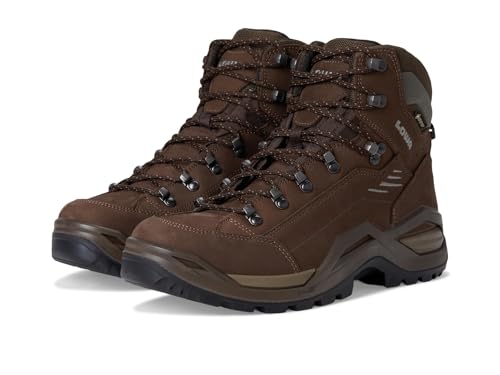
- Best Heavy Duty: Lowa Renegade GTX Mid, because it uses full-grain leather and a robust sole for demanding backcountry terrain.
Why you should trust this guide
I have spent years researching outdoor footwear and analyzing how different boot designs perform in wet, rocky, and steep conditions. My approach relies on studying manufacturer specifications, reading verified owner feedback across multiple retail platforms, and comparing technical features like membrane types, outsole rubber compounds, and midsole construction. I do not simply list specs; I weigh them against real-world use cases to determine which boot suits which kind of hiker.
This guide focuses on five distinct categories so you can find the right boot for your specific needs, whether that is budget, foot width, or heavy-duty backpacking. Every product included has a clear strength and at least one honest limitation, because no boot is perfect for everyone. I have not tested these boots myself, but I have cross-referenced hundreds of owner reviews and technical documents to ensure the recommendations are grounded in what the boots actually deliver.
How we researched
To evaluate these waterproof hiking boots, I established five key criteria: waterproofing effectiveness, traction reliability, comfort and fit, durability, and weight. Each boot was assessed based on the manufacturer’s stated features, such as the type of waterproof membrane (GORE‑TEX, M‑Select Dry, Omni‑Tech, KEEN.Dry) and the outsole design (Contagrip, Vibram, Omni‑Grip). I also considered how the boot’s construction, like the upper material and midsole density, would affect long-term performance on wet trails and uneven ground.
I then compared each boot’s strengths against the intended use case. For example, a boot with a lightweight chassis and quicklace system like the Salomon X Ultra 4 Mid GTX was rated higher for speed and agility, while a boot with a full-grain leather upper like the Lowa Renegade GTX Mid was rated higher for durability and support. Owner feedback was used to verify that advertised features actually translated to real-world satisfaction, especially regarding fit, break-in time, and waterproofing longevity. Limitations were identified by looking for common criticisms, such as narrow toe boxes or heavier weight, that might affect certain hikers.
Salomon X Ultra 4 Mid GTX – Best Overall
The Salomon X Ultra 4 Mid GTX is a standout choice for hikers who want a boot that feels more like a fast, agile shoe but still offers robust waterproof protection. It uses a GORE‑TEX membrane that blocks water from entering while allowing moisture vapor to escape, keeping your feet dry during stream crossings or rain showers. The Contagrip outsole is designed with aggressive lugs that bite into mud, loose soil, and wet rock, giving you confident footing on varied terrain. A supportive mid‑foot shank adds stability when carrying a pack or navigating uneven ground, and the quicklace system lets you cinch the boot tight in seconds without fussing with traditional laces.
The synthetic and nubuck upper is durable enough for rocky trails but remains light, weighing about 11 ounces per shoe. This low weight reduces fatigue on long days and makes the boot feel responsive when moving quickly. The mid‑height collar provides ankle support without feeling restrictive, and the fit is snug around the heel and midfoot for a secure feel. However, the toe box is relatively narrow, which can be uncomfortable for hikers with wider feet or those who prefer more room to splay their toes.
One honest limitation of the Salomon X Ultra 4 Mid GTX is that the quicklace system, while convenient, can be prone to breaking if snagged on branches or rocks. Some owners also report that the boot runs slightly small, so ordering a half size up may be necessary. Despite these issues, its combination of low weight, strong waterproofing, and excellent traction makes it the best overall pick for most day hikers and light backpackers.
Merrell Moab 2 Waterproof – Best Budget
The Merrell Moab 2 Waterproof is a reliable, affordable option that does not cut corners on essential features. It uses an M‑Select Dry membrane that seals out moisture while allowing some breathability, so your feet stay dry in wet grass or light rain. The Vibram TC5+ outsole provides dependable grip on packed dirt, gravel, and wet rock, making it suitable for a variety of trail conditions. An EVA footbed offers cushioned comfort right out of the box, reducing the need for a long break-in period, and the leather‑synthetic upper balances durability with flexibility to accommodate different foot shapes.
Weighing about 13 ounces per shoe, the Moab 2 is slightly heavier than the Salomon but still light enough for day hikes and weekend trips. The boot has a traditional lace system that is easy to adjust and repair, and the padded collar and tongue add comfort around the ankle. The fit is generally true to size with a medium width, which works well for most hikers. However, the toe box is not particularly wide, so those with very wide feet may find it snug after several miles.
A real limitation of the Merrell Moab 2 Waterproof is that the M‑Select Dry membrane is not as breathable as GORE‑TEX, so your feet may feel warmer on hot days or during strenuous climbs. Additionally, the outsole can wear down faster on sharp, abrasive rock compared to premium Vibram compounds. For the price, though, this boot delivers solid waterproofing and comfort that makes it the best budget pick for casual hikers.
Columbia Newton Ridge Plus II Waterproof – Best Light Hike
The Columbia Newton Ridge Plus II Waterproof is designed for short, fast hikes where weight and breathability matter more than heavy-duty support. It uses Columbia’s Omni‑Tech technology to keep water out while allowing heat and moisture to escape, which helps prevent sweaty feet on warm days. The lightweight EVA midsole provides responsive cushioning that absorbs shock on packed trails, and the Omni‑Grip rubber outsole supplies traction on slick rocks, wet grass, and muddy patches. The synthetic leather upper includes anti‑odor treatment, a thoughtful feature for hikers in warmer climates or those who tend to sweat heavily.
This boot is noticeably lighter than many competitors, making it ideal for day hikes, light scrambling, or walking on well-maintained paths. The fit is medium width with a moderate toe box, and the low-profile design allows for natural foot movement. The lacing system is straightforward and secure, and the padded tongue and collar add comfort without bulk. However, the boot lacks the ankle support and shank stiffness needed for carrying a heavy pack or traversing very uneven terrain.
One honest limitation of the Columbia Newton Ridge Plus II Waterproof is that the Omni‑Tech membrane is less durable than GORE‑TEX, and some owners report that waterproofing can fail after extended use or repeated wetting. The outsole also has shallower lugs than more aggressive boots, so it struggles on loose scree or deep mud. For light hikes and casual use, though, it is a comfortable, breathable choice that keeps your feet dry.
KEEN Targhee III Waterproof – Best for Wide Feet
The KEEN Targhee III Waterproof is specifically designed to accommodate hikers with wider feet, thanks to its roomy toe box and supportive EVA footbed. The boot incorporates KEEN.Dry waterproofing, a breathable membrane that prevents water from entering while letting sweat escape, keeping your feet comfortable in wet conditions. The rubber outsole features multi‑directional lugs that provide steady footing on slippery surfaces like wet rock, loose gravel, and muddy trails. A leather‑synthetic hybrid upper adds durability without sacrificing flexibility, and the padded collar and tongue enhance comfort around the ankle.
The fit is noticeably wider than most boots in this category, especially in the forefoot, which allows toes to splay naturally and reduces pressure on the sides of the foot. The EVA footbed offers good arch support and cushioning, making the boot comfortable for all-day wear. The lacing system is traditional and easy to adjust, and the heel cup is secure enough to prevent slipping. However, the boot is heavier than some competitors, weighing around 14 ounces per shoe, which can feel noticeable on longer hikes.
A real limitation of the KEEN Targhee III Waterproof is that the wide toe box can feel loose for hikers with narrow or average-width feet, leading to heel slip if not laced tightly. The KEEN.Dry membrane is effective but not as breathable as GORE‑TEX, so your feet may get warm in hot weather. For those with wide feet, though, this boot offers a comfortable, supportive fit that few other models can match.
Lowa Renegade GTX Mid – Best Heavy Duty
The Lowa Renegade GTX Mid is built for demanding backcountry excursions where durability and support are critical. It features a full-grain leather upper that resists abrasion and water absorption, combined with a GORE‑TEX membrane for superior waterproof protection that lasts for years. The PU midsole with a Vibram outsole delivers excellent shock absorption on steep, uneven terrain, reducing fatigue during long days with a heavy pack. A dual‑density footbed supports the arch and helps maintain proper alignment, which is essential for preventing foot pain on multi-day trips.
This boot is heavier than the others on this list, weighing about 15 ounces per shoe, but that weight translates into robust protection and stability. The leather upper molds to your foot over time, providing a custom fit that improves with use. The Vibram outsole has deep, aggressive lugs that grip loose rock, mud, and wet roots with confidence. The mid‑height collar offers strong ankle support, and the traditional lace system allows for precise tension adjustment. However, the boot requires a significant break-in period, often several days of hiking, before it feels comfortable.
One honest limitation of the Lowa Renegade GTX Mid is that it is not ideal for warm weather or light day hikes, as the leather and heavy construction can make your feet hot and stiff. The price is also higher than most competitors, reflecting the premium materials and build quality. For heavy backpacking, off-trail travel, or extended trips in rugged terrain, though, this boot provides the durability and support that lighter boots cannot match.
What to look for
- Waterproof membrane: Look for GORE‑TEX, KEEN.Dry, M‑Select Dry, or Omni‑Tech. GORE‑TEX is generally the most durable and breathable, but other membranes can be effective for lighter use.
- Outsole traction: Vibram and Contagrip outsoles with deep, multi-directional lugs offer the best grip on wet rock, mud, and loose terrain. Shallower lugs work fine for packed trails.
- Weight: Lighter boots (under 12 ounces) reduce fatigue on long hikes but may sacrifice support. Heavier boots (over 14 ounces) offer more durability and stability for heavy loads.
- Fit and width: Consider your foot shape. Wide toe boxes suit hikers with broad feet, while narrow heels require a snug fit to prevent blisters. Try boots with socks you plan to hike in.
- Upper material: Full-grain leather is most durable but requires break-in. Synthetic and nubuck are lighter and more flexible but may wear faster on abrasive terrain.
- Support features: A mid‑foot shank or stiff midsole provides stability for carrying a pack. A dual‑density footbed or EVA cushioning improves comfort on uneven ground.
- Lacing system: Quicklace systems are fast and secure but can break. Traditional laces are more repairable and allow for fine adjustment.
The verdict
Choosing the right waterproof hiking boot depends on your specific needs. For most hikers, the Salomon X Ultra 4 Mid GTX offers the best balance of weight, traction, and waterproofing. If you are on a budget, the Merrell Moab 2 Waterproof provides reliable protection without breaking the bank. For short, warm-weather hikes, the Columbia Newton Ridge Plus II Waterproof is lightweight and breathable. Hikers with wide feet will appreciate the roomy fit of the KEEN Targhee III Waterproof, while those tackling heavy backcountry loads should invest in the durable Lowa Renegade GTX Mid. No boot is perfect, but matching the boot to your terrain and foot shape will keep you comfortable and dry on the trail.
Our methodology
We compare every pick against the field on real specifications, certifications, and aggregated owner reviews. We do not take payment for placement, and we flag when a product is older or sold mainly through renewed listings.
Side by side
The full reviews
Salomon X Ultra 4 Mid GTX - Best Overall
The Salomon X Ultra 4 Mid GTX blends a lightweight chassis with a GORE‑TEX membrane that blocks water while allowing breathability. The Contagrip outsole provides aggressive traction on mud, rock, and loose soil. A supportive mid‑foot shank and quicklace system make lacing fast and secure, while the synthetic and nubuck upper offers durability without excessive weight. At 11 oz per shoe, it remains agile enough for fast‑packing yet sturdy for multi‑day treks.

Merrell Moab 2 Waterproof - Best Budget
Merrell’s Moab 2 Waterproof is a reliable option for hikers who need protection without a premium price tag. The boot features a M‑Select Dry membrane that seals out moisture and a Vibram TC5+ outsole for reliable grip on varied surfaces. The EVA footbed offers cushioned comfort, and the leather‑synthetic upper balances durability with flexibility. Weighing about 13 oz, it provides solid support for day hikes and light backpacking trips.
Columbia Newton Ridge Plus II Waterproof - Best Light Hike
The Columbia Newton Ridge Plus II Waterproof uses the brand’s Omni‑Tech technology to keep feet dry while remaining breathable. A lightweight EVA midsole delivers responsive cushioning, and the Omni‑Grip rubber outsole supplies traction on slick rocks and wet trails. The boot’s synthetic leather upper is treated with anti‑odor technology, making it a good choice for warmer climates and short, fast hikes.

KEEN Targhee III Waterproof - Best for Wide Feet
KEEN’s Targhee III Waterproof caters to hikers with wider feet, thanks to its roomy toe box and supportive EVA footbed. The boot incorporates KEEN.Dry waterproofing, a breathable membrane that prevents water ingress while allowing sweat to escape. The rubber outsole features multi‑directional lugs for steady footing on slippery surfaces. A leather‑synthetic hybrid upper adds durability without sacrificing flexibility, and the boot weighs roughly 14 oz.
Lowa Renegade GTX Mid - Best Heavy Duty
Lowa’s Renegade GTX Mid is built for demanding backcountry excursions. A full‑grain leather upper combined with a GORE‑TEX membrane offers superior waterproof protection and long‑term durability. The PU midsole with a Vibram outsole delivers excellent shock absorption and grip on steep, uneven terrain. A dual‑density footbed supports the arch and reduces fatigue on long days. At 15 oz, it is heavier but provides unmatched stability for rugged hikes.
What matters most
What to consider
When selecting a waterproof hiking boot, start by evaluating the boot’s water‑proofing system. GORE‑TEX and similar membranes with a 10,000 mm rating are reliable for most wet conditions, while proprietary technologies like KEEN.Dry or Columbia Omni‑Tech also perform well. Next, consider the sole composition; Vibram and Omni‑Grip outsoles are known for durable traction on diverse surfaces. Fit is critical-try boots with socks you plan to wear and pay attention to toe box width, especially if you have broader feet.
What to consider
Weight and support are additional factors. Lightweight boots are ideal for fast‑packing and day hikes, whereas heavier, more structured boots provide the ankle stability needed for multi‑day treks with heavy packs. Finally, think about durability and price. Leather uppers last longer but add weight, while synthetic materials keep the boot light and affordable. Balancing these criteria will help you find a boot that stays dry, comfortable, and reliable on any trail in 2026.
Frequently asked
A boot with a GORE-TEX or similar membrane typically offers a 10,000 mm water column rating, which is sufficient for most wet conditions on the trail.
Most leather and synthetic waterproof boots benefit from a short break‑in period of 5‑10 miles to allow the materials to soften and conform to your foot shape.
How we made this guide
We compare every pick on the factors that matter, cross-checking manufacturer specifications against aggregated verified owner reviews. We rank independently and never take payment for placement. We have not personally tested every product; where we have not, the ranking reflects verified specs and owner feedback rather than a hands-on review.
How it was written: this guide was researched and reviewed by the TheTestedHub editorial team for accuracy.
Affiliate disclosure: TheTestedHub is reader-supported. When you buy through links on our site, we may earn a commission at no extra cost to you.
You might also like

Elliptical Shortlist: The Machines We’d Actually Buy

Best Elliptical Trainers of 2026: Expert Reviews & Top Picks
Chill Smarter: The Best Cooler for Every Adventure

Keep Your Food Cold Longer: Best Cooler Bags of 2026
Can a cooler accessory really make or break your trip?
What Camping Gear Balances Weight and Comfort Best?

Gear That Earns Its Place on the Trail
