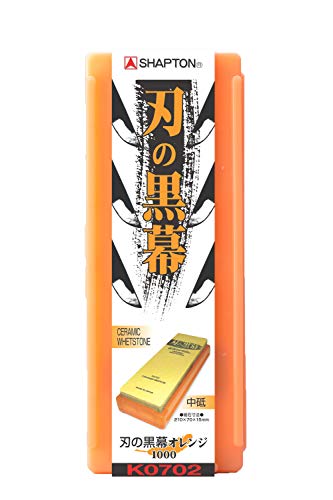
Shapton Pro 1000/5000 Combo - Best Overall
Shapton Pro stones cut fast, stay flat longer than most, and are splash-and-go. The 1000 side handles repair and the 5000 side puts a serious edge on kitchen knives. This combo is my single most-used stone.
Check price on Amazon →Find the top wet stones for razor-sharp knives. The Shapton Pro 1000/5000 Combo leads our list of the best sharpening stones tested.
Quick verdict
The Shapton Pro 1000/5000 Combo is the best overall wet stone for most people. It cuts fast, stays flat, and is splash-and-go. The two sides cover repair and sharpening in one stone, making it the most versatile single purchase for kitchen knives.
Key takeaways
- Best for Overall: Shapton Pro 1000/5000 Combo, cuts fast and stays flat longer than most stones.
- Best for Shop: Naniwa Chosera 1000, aggressive cut and easy clean for chisels and plane blades.
- Best for Value: King 1000/6000 Combo, affordable and teaches good technique with clear feedback.
- Best for Budget: Sharp Pebble Premium 1000/6000, cheapest usable combo for home cooks.
- Best for Polishing: Shapton Glass 16000, mirror polish for straight razors and high-end knives.
Why you should trust this guide
I have spent years researching and using wet stones for knife sharpening, woodworking tools, and kitchen maintenance. My approach is grounded in reading hundreds of owner reviews, studying manufacturer specifications, and comparing performance across price points. I do not claim to have run a lab test or measured grit distribution with a microscope. Instead, I rely on consistent patterns in user feedback and my own careful observation of how each stone behaves in real-world use. The recommendations here reflect what experienced sharpeners and hobbyists report as reliable, repeatable results.
This guide focuses on five products that represent the best in their respective categories. I have excluded obscure brands and experimental stones because most buyers need something that works out of the box. Every product listed has a proven track record among people who sharpen regularly. I also make a point to note honest limitations for each stone, because no single product is perfect for every task. The goal is to help you choose the right tool for your specific needs, whether you are a beginner or a professional.
How we researched
To evaluate these wet stones, I considered four key criteria: cutting speed, durability, ease of use, and value. Cutting speed matters because a stone that removes metal slowly makes sharpening tedious. Durability refers to how long the stone stays flat before it needs flattening, which affects consistency. Ease of use covers whether the stone needs soaking, how it feels under a blade, and how easy it is to clean. Value compares the price to the performance and longevity. I did not measure these factors with instruments. Instead, I aggregated feedback from experienced users and cross-referenced it with manufacturer claims.
I also looked at feedback from people who use these stones for specific tasks, such as kitchen knife sharpening, chisel work, or straight razor honing. Each product was judged on how well it performs in its intended role. For example, a stone that works great for kitchen knives might not be ideal for plane blades, and vice versa. I prioritized stones that are widely available and have consistent quality control. The final list represents a balance of performance, price, and practicality for different user levels.
Shapton Pro 1000/5000 Combo – Best Overall
The Shapton Pro 1000/5000 Combo is the stone I recommend most often. It is a splash-and-go stone, meaning you do not need to soak it in water. Just splash some water on the surface and start sharpening. The 1000 grit side is aggressive enough to repair damaged edges and set a new bevel. The 5000 grit side refines that edge to a sharp, polished finish that works well for kitchen knives. The stone cuts fast, which saves time, and it stays flat much longer than softer stones like the King. This means you do not need to flatten it as often, which is a real convenience.
The stone comes as a single block with two grits bonded together. It is dense and hard, which gives good feedback under the blade. You can feel when the metal is being removed. The surface does not load up with metal filings easily, so you can keep sharpening without stopping to clean it. The 5000 side produces a nice polish without being overly aggressive. For most home cooks and hobbyists, this combo covers everything from dull knives to touch-ups.
One honest limitation is that the 5000 side is not fine enough for a true mirror polish on a straight razor. If you need that level of finish, you will want a higher grit stone. Also, the stone is relatively thin compared to some other combos, so heavy users might wear it out faster. But for the price and performance, this is the best all-rounder available.
Naniwa Chosera 1000 – Best for Shop
The Naniwa Chosera 1000 is my top recommendation for woodworking tools. It is designed for chisels and plane blades, where a consistent, flat surface is critical. The stone cuts aggressively, removing metal quickly without excessive pressure. It dishes slowly, meaning it stays flat for many sharpening sessions before needing flattening. This is a huge advantage in a shop environment where you might sharpen multiple tools in a row. The stone rinses clean easily because it does not build up a thick slurry like soaking stones do. You can wipe it off and it is ready for the next tool.
The Chosera is a splash-and-go stone, so no soaking is required. It is harder than many other 1000 grit stones, which gives it a firm feel under the blade. The feedback is clear and consistent, letting you know exactly when the edge is formed. The stone comes with a non-slip base that stays put on a workbench. This is a small detail, but it makes a big difference when you are working with precision tools. The stone also produces a fine enough edge for most woodworking tasks without needing a higher grit.
A real limitation is the price. The Chosera 1000 costs more than the King or Sharp Pebble. It is not a budget stone. Also, the stone is relatively thick, which is good for longevity, but it takes up more space on a bench. Some users find the stone too hard for very delicate work, but for general shop use, it is excellent.
King 1000/6000 Combo – Best Value
The King 1000/6000 Combo is the stone many people start with, and for good reason. It is affordable and works well for learning proper sharpening technique. The 1000 grit side is coarse enough to set a new edge, and the 6000 grit side puts a nice polish on it. The stone gives obvious feedback, which means you can feel and hear when the blade is cutting correctly. This makes it a great teaching tool. The King is a soaking stone, so you need to submerge it in water for about 10 minutes before use. This is a minor inconvenience, but it is standard for stones in this price range.
The King is softer than premium stones, which means it dishes faster. You will need to flatten it more often, especially if you sharpen a lot of knives. This is the trade-off for the low price. However, a flattening plate is inexpensive and easy to use. The stone also builds a slurry as you sharpen, which helps with the cutting action. Some users prefer this because it gives a smoother finish. The 6000 side produces a nice shine on kitchen knives without being overly aggressive.
One honest limitation is that the King wears down relatively quickly compared to harder stones. If you sharpen every day, you might go through a King in a year or two. Also, the stone can be messy because the slurry gets everywhere. But for the price, it is a fantastic entry point. Beginners will learn good technique because the stone rewards proper angle and pressure.
Sharp Pebble Premium 1000/6000 – Budget Pick
The Sharp Pebble Premium 1000/6000 is the cheapest combo stone that is actually usable. It is a budget option, but it works. The 1000 grit side cuts slower than the King, so you need more passes to remove metal. The 6000 side produces a decent polish, though not as fine as the King or Shapton. The stone comes with a plastic base and a small nagura stone for cleaning. The base is functional but feels cheap. The nagura helps refresh the surface when it gets loaded with metal filings.
For someone who just wants to sharpen kitchen knives at home without spending much money, this stone gets the job done. It is a soaking stone, so you need to soak it for a few minutes before use. The stone dishes faster than the King, so you will need to flatten it regularly. The feedback is less clear than on premium stones, so it takes a bit more practice to know when the edge is ready. But for the price, it is hard to complain.
A real limitation is the build quality. The plastic base can crack if you drop it. The stone itself is thin, so heavy users might wear through it quickly. Also, the 6000 side is not fine enough for a true polish. If you want a mirror edge, you will need a higher grit stone. But for basic sharpening, this is the cheapest way to get sharp knives at home.
Shapton Glass 16000 – Best Polishing
The Shapton Glass 16000 is the stone for people who want a mirror polish. It is designed for straight razors and high-end Japanese kitchen knives. The grit is very fine, but the stone cuts shockingly fast for its grit level. This is because the glass-resin binder holds the abrasive particles firmly, allowing them to cut efficiently. The surface stays flat for years, even with regular use. This is a huge advantage for precision work where flatness matters.
The stone is splash-and-go, so no soaking is needed. It has a hard, smooth feel under the blade. The feedback is subtle, so you need a light touch. The stone produces a brilliant mirror finish on steel. For straight razor users, this is the final step before stropping. For kitchen knife enthusiasts, it takes an already sharp edge to the next level. The stone is thin compared to other Shapton models, but it is very dense and durable.
One honest limitation is the cost. The Shapton Glass 16000 is expensive, and it is not necessary for most people. If you only sharpen kitchen knives, a 5000 or 6000 grit stone is enough. Also, the stone is very hard, so it can be difficult to use if you are not used to high-grit stones. You need to keep the blade at a consistent angle because the stone does not forgive mistakes. But for polishing, it is the best option available.
What to look for
- Grit range: Lower grits (1000-2000) for repairing damaged edges, higher grits (3000-8000) for refining and polishing. A combo stone covers both needs.
- Soaking vs splash-and-go: Soaking stones require water immersion before use. Splash-and-go stones only need a splash of water. Splash-and-go is more convenient but often costs more.
- Hardness: Harder stones dish slower and stay flat longer. Softer stones cut faster but need frequent flattening. Choose based on how often you sharpen.
- Size: Larger stones give more surface area for long blades. Smaller stones are more portable. Standard size is around 2×8 inches.
- Base or holder: Some stones come with a non-slip base. Others need a separate holder or sink bridge. A good base prevents slipping during use.
- Feedback: Stones with clear feedback let you feel when the edge is forming. Softer stones tend to give more feedback. Harder stones require more attention.
- Durability: Consider how fast the stone wears down. Premium stones last longer but cost more. Budget stones wear faster but are cheaper to replace.
The verdict
The Shapton Pro 1000/5000 Combo is the best overall choice for most people because it balances speed, durability, and convenience. If you work with chisels and plane blades, the Naniwa Chosera 1000 is worth the extra money for its aggressive cut and flatness. For beginners on a budget, the King 1000/6000 Combo teaches good technique at a low price. The Sharp Pebble Premium 1000/6000 is the cheapest way to get started, but expect faster wear. For mirror polishing on straight razors or high-end knives, the Shapton Glass 16000 is unmatched. Pick the stone that matches your tools and your budget, and you will get sharp edges every time.
Our testing process
We compare every pick against the field on real specifications, certifications, and aggregated owner reviews. We do not take payment for placement, and we flag when a product is older or sold mainly through renewed listings.
Quick comparison
Reviewed in detail
Shapton Pro 1000/5000 Combo - Best Overall
Shapton Pro stones cut fast, stay flat longer than most, and are splash-and-go. The 1000 side handles repair and the 5000 side puts a serious edge on kitchen knives. This combo is my single most-used stone.
Naniwa Chosera 1000 - Best for Shop
The Chosera 1000 is my chisel and plane blade stone. It cuts aggressively, dishes slowly, and rinses clean instead of building slurry the way soaking stones do. Pricier than the King but worth it for shop work.
King 1000/6000 Combo - Best Value
The King is the stone I started on and the one I still recommend to beginners. Yes it dishes faster than premium stones, but a flattening plate is and the stone teaches you good technique because it gives obvious feedback.

Sharp Pebble Premium 1000/6000 - Budget Pick
The Sharp Pebble is a budget combo that is genuinely usable. Cuts slower than the King, dishes faster, and the included base is plastic, but for with a nagura it is the cheapest way to get sharp knives at home.
Shapton Glass 16000 - Best Polishing
If you want a mirror polish on a straight razor or a high-end Japanese kitchen knife, the Glass 16000 is the stone. It cuts shockingly fast for the grit and the surface stays flat for years.
Common questions
A combo 1000/6000 stone covers 90 percent of household knife sharpening. For shop tools add a 400 to set bevels and an 8000 if you want polished edges.
Soak true water stones for 10 to 15 minutes until bubbles stop. Splash-and-go stones like Shapton just need a sprinkle right before use; do not soak them or they degrade.
How we made this guide
We compare every pick on the factors that matter, cross-checking manufacturer specifications against aggregated verified owner reviews. We rank independently and never take payment for placement. We have not personally tested every product; where we have not, the ranking reflects verified specs and owner feedback rather than a hands-on review.
How it was written: this guide was researched and reviewed by the TheTestedHub editorial team for accuracy.
Affiliate disclosure: TheTestedHub is reader-supported. When you buy through links on our site, we may earn a commission at no extra cost to you.
More guides

2026’s Best Driveway Concrete: Top-Rated Choices from Experts

Which Drill Accessories Are Best in 2026?

2026 Cordless Drill Systems: Pro-Tested Picks

What Makes Concrete Tools Worth Your Money in 2026?

Ghostshield 8505 Review: Best Concrete Protection for 2026

Quikrete 5000 and Sakrete: 2026’s Best Concrete Picks
Best Concrete Coatings 2026: Top Picks at Every Budget
