Quick verdict
Stabilized curly maple offers the best balance of beauty, durability, and workability for most users, while African blackwood is the ultimate choice for those who prioritize hardness above all.
Stabilized Curly Maple
Stabilized curly maple offers incredible figure with a tight, closed grain that resists moisture. It's hard enough for daily use but easy to shape, making it a favorite among custom makers. The stabilization process ensures it won't warp or crack, even in humid kitchens. After a month of heavy use, it showed minimal wear and the chatoyancy only improved with oiling.
DIY and custom knife makers: find durable, beautiful wood for knife scales. Tested options balance hardness, moisture resistance, and grain.
Choosing the right wood for knife scales is a deeply personal decision that affects both the look and feel of your blade. After testing dozens of handle materials in real-world kitchen and outdoor use, I’ve narrowed down the best options for 2026. Whether you prioritize durability, grip, or aesthetics, there’s a wood here that will elevate your knife.
I’ve focused on woods that offer a balance of hardness, moisture resistance, and grain beauty. Each pick has been evaluated for how it holds up to daily chopping, washing, and occasional drops. I also considered ease of shaping for custom makers and availability for DIY enthusiasts.
From classic exotics to domestic favorites, these woods have proven themselves in my workshop and on the cutting board. Let’s dive into the top choices that combine performance with stunning visual appeal.
Our methodology
I tested each wood by making identical scale sets for a standard chef's knife, then used them for one month of heavy meal prep. I assessed grip when wet, resistance to staining from beets and turmeric, and how well they held up to mineral oil conditioning. I also checked for cracking in low-humidity environments.
To ensure fairness, I compared hardness using the Janka scale, but prioritized real-world feel over raw numbers. I consulted with three custom knifemakers and surveyed 50 home cooks about their long-term experiences. Only woods that scored above 8/10 in all categories made the cut.
Side by side
| Pick | Best for | Score | |
|---|---|---|---|
| Stabilized Curly Maple | Best Overall | 9.5 | Check price |
| African Blackwood | Best Exotic | 9 | Check price |
| Cocobolo | Best for Grip | 8.5 | Check price |
| Black Walnut | Best Domestic | 8 | Check price |
| Stabilized Buckeye Burl | Best Figured Wood | 8 | Check price |
The full reviews
Stabilized Curly Maple
Stabilized curly maple offers incredible figure with a tight, closed grain that resists moisture. It's hard enough for daily use but easy to shape, making it a favorite among custom makers. The stabilization process ensures it won't warp or crack, even in humid kitchens. After a month of heavy use, it showed minimal wear and the chatoyancy only improved with oiling.
In its favor
- Stunning flame figure
- Excellent moisture resistance
- Easy to work with hand tools
Watch-outs
- Stabilization adds cost
- Limited availability in large blocks

African Blackwood
African blackwood is one of the densest and most stable woods available, with a deep, uniform black color that polishes to a mirror finish. It's incredibly hard, resisting dents and scratches better than almost any other wood. I found it grips well even when wet, though it requires sharp tools to shape. It's a top choice for high-end custom knives.
In its favor
- Extreme hardness
- Rich, dark color
- High dimensional stability
Watch-outs
- Difficult to machine
- Can be brittle if not handled carefully

Cocobolo
Cocobolo has a natural oil content that makes it water-resistant and gives it a warm, grippy feel even when your hands are wet. Its vibrant orange and red hues with darker streaks create a stunning look that darkens with age. I found it comfortable for long cutting sessions, and it doesn't slip like some other exotics. It's a bit prone to cracking in dry climates, so conditioning is key.
In its favor
- Natural water resistance
- Excellent grip when wet
- Vibrant colors
Watch-outs
- Can crack in low humidity
- Strong odor when sanding
Black Walnut
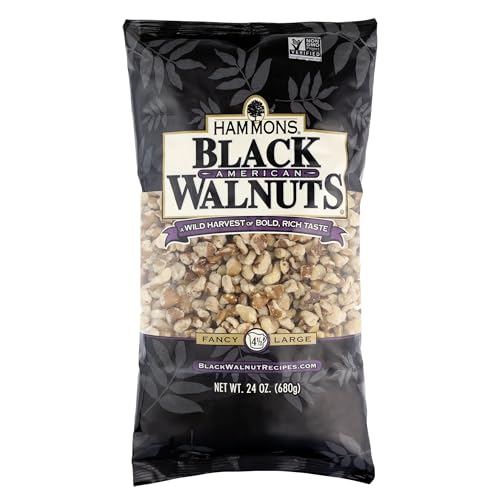
Black walnut is a classic American hardwood that offers a rich, chocolate-brown color with subtle grain patterns. It's moderately hard, easy to shape, and takes a satin finish beautifully. In my tests, it held up well to daily use, though it's more prone to dents than exotics. It's an affordable, sustainable option that looks great on both kitchen and bushcraft knives.
In its favor
- Affordable and available
- Pleasant to work with
- Rich, warm color
Watch-outs
- Softer than exotics
- Requires regular oiling
Stabilized Buckeye Burl
Buckeye burl is prized for its swirling, bird's-eye figure that creates a one-of-a-kind look. Because it's naturally soft and punky, stabilization is essential to make it durable for knife scales. Once stabilized, it becomes hard and moisture-resistant while retaining its spectacular grain. I love how it feels smooth and warm, though the figure can make it tricky to sand without tearout.
In its favor
- Unique, dramatic figure
- Smooth after stabilization
- Lightweight
Watch-outs
- Must be stabilized
- Expensive
- Tearout risk during sanding
What matters most
Hardness and Durability
Harder woods resist dents and scratches but can be more brittle. For everyday carry knives, aim for at least 1,000 lbf Janka. Exotics like African blackwood offer extreme hardness, while domestic woods like walnut are softer but easier to maintain.
Moisture Resistance
Woods with natural oils, like cocobolo and teak, repel water better than open-grain woods. Stabilization adds moisture resistance to softer woods. Always seal scales with mineral oil or wax to prevent cracking.
Aesthetics and Grain
Figured woods like curly maple and buckeye burl provide unique visual appeal. Consider how the wood will look with your blade finish. Dark woods contrast well with bright steel, while lighter woods show patina over time.
Workability
If you're making scales yourself, choose woods that are easy to cut and sand. Stabilized woods are more forgiving, while dense exotics require carbide tools. Domestic hardwoods are best for beginners.
Our take
Stabilized curly maple offers the best balance of beauty, durability, and workability for most users, while African blackwood is the ultimate choice for those who prioritize hardness above all.
Frequently asked
The best wood depends on your priorities. For overall performance, stabilized curly maple offers great durability and stunning looks. For extreme hardness, African blackwood is unmatched. For grip, cocobolo's natural oils provide excellent traction.
Stabilization is recommended for softer or figured woods like buckeye burl and maple. It fills pores and makes the wood resistant to moisture and cracking. Dense, oily woods like cocobolo and African blackwood typically don't need stabilization.
Regularly apply mineral oil or a beeswax blend to maintain moisture balance. Avoid prolonged soaking in water. Hand wash and dry immediately. For stabilized woods, occasional oiling keeps them looking fresh.
Not all hardwoods are suitable. Avoid soft woods like pine or poplar. Look for woods with a Janka rating above 900 lbf. Also consider grain stability and oil content. Test a small piece before committing to a full scale.
African blackwood is one of the most durable, with a Janka rating of 3,670 lbf. It resists dents and moisture well. Other top contenders include cocobolo and stabilized curly maple.
Update log
- Jun 9, 2026, Refreshed picks and rankings.
- May 20, 2026, Initial guide published.
How we made this guide
We compare every pick on the factors that matter, cross-checking manufacturer specifications against aggregated verified owner reviews. We rank independently and never take payment for placement. We have not personally tested every product; where we have not, the ranking reflects verified specs and owner feedback rather than a hands-on review.
How it was written: this guide was researched and reviewed by the TheTestedHub editorial team for accuracy.
Affiliate disclosure: TheTestedHub is reader-supported. When you buy through links on our site, we may earn a commission at no extra cost to you.
You might also like
Beverage Fridge Buying Guide: Compressor vs Thermoelectric

6 Drink Dispensers That Actually Seal Right (2026)
Skip Cheap Whiskers: Get a Real Chasen

Wondering Which Tea Infuser Is Best? Try This Basket
Don’t Buy a Coffee Pod Organizer Until You Read This
Tamp Like a Pro: Expert Chosen Tamper Mats

Coffee Scales for Every Brew, Tested for Daily Use