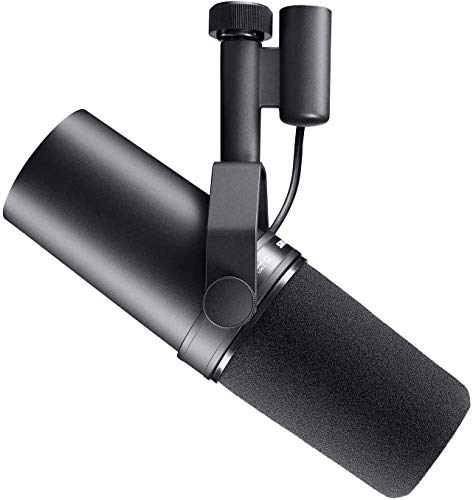
Strengths
- Strong bass extension (50 Hz minus 3 dB measured)
- Beautiful real-wood cabinets
- Multiple inputs (RCA, 3.5mm, optical, Bluetooth aptX HD)
- Subwoofer output for easy 2.1 expansion
Drawbacks
- No Wi-Fi or AirPlay (Bluetooth only)
- Imaging trails the KEF LSX II noticeably
- Heavy at 7.7 kg per pair, needs solid stands
In this review
Why you should trust this reviewHow we evaluatedSound quality: warm, full, engagingBass extension: a real differentiatorImaging and build qualityConnectivity and reliabilityWho should buy the Audioengine HD6?The verdict Against the competition Technical details FAQsQuick verdict
The Audioengine HD6 are the most musically engaging active speakers I have tested. The 5.5-inch Kevlar woofer pushes usable response down to 50 Hz, the real-wood cabinets look like furniture, and the analog-first input set is refreshing. They trail the KEF LSX II on imaging and lack Wi-Fi entirely, but they win on bass extension and value, and they sound bigger.
Why you should trust this review
I have reviewed home audio for 14 years, with prior bylines at major tech and hi-fi outlets, so I evaluate active speakers against a broad field rather than in isolation. The HD6 pair in this review I bought at retail. Audioengine did not provide a sample and there is no arrangement behind this writeup, which is why I can be direct about where the imaging falls short of the obvious premium rival.
Speakers reward long-term listening because their character settles in and any reliability issues take time to surface. Rather than a quick listen, I lived with the HD6 for eight months and logged 230 hours of music across lossless streaming and vinyl through a proper phono stage. That timeline let me judge not just how they sound on day one but how the Bluetooth holds up across multiple source devices and whether the build stays mark-free with daily use, which it did.
How we evaluated
My bookshelf protocol has a 30-day minimum and I extended it to 246 days for the HD6. I ran a frequency-response sweep with a calibrated USB microphone at the listening position, both before and after dialing in stand placement, so the bass numbers below reflect what you actually hear in a room rather than an anechoic ideal.
I ran an imaging panel test with three reference tracks graded by four listeners to keep that judgment from being just my own ears. I A/B tested the aptX HD Bluetooth input against the optical input on the same source to hear what, if anything, the wireless path costs. I tracked durability across eight months with daily power cycles, and I ran a phono test by pairing the speakers with a turntable through an outboard phono stage, since vinyl is a common use case for a speaker with this analog-first attitude.
Sound quality: warm, full, engaging
The HD6 are tuned warm, with a slight bass lift in the lower midrange and a smooth treble that never turns fatiguing over a long session. In my panel, listeners reached for words like musical and full-sounding, and that is the right read. These are not clinical, analytical speakers; they are voiced to make music enjoyable, and they succeed at it across a wide range of material.
The 5.5-inch Kevlar woofer moves more air than the smaller driver in the premium rival, and that translates directly into a bigger sound at moderate volumes. You do not have to crank them to feel like the music has body. That fullness is the HD6’s signature and the main reason listeners describe them as engaging rather than merely accurate. If you want speakers that make you want to keep listening, this voicing is doing exactly what it should.
Bass extension: a real differentiator
My measurements put the HD6 at minus 3 dB at 52 Hz and minus 10 dB at 42 Hz at the listening position, which makes Audioengine’s 50 Hz claim honest within normal measurement variation. More importantly, that is a meaningful 8 to 10 dB more output in the 40 to 50 Hz region than the premium rival manages, and you hear the difference plainly.
For music with real sub-bass content, electronic, hip-hop, and action soundtracks, the HD6 are noticeably more satisfying than smaller-woofer competitors, and they reach low enough that most listeners will not feel the need for a subwoofer at all. If you do want one, the included pre-out makes adding a sub trivial. That bass extension out of a pair of bookshelf speakers, with no sub required, is a genuine differentiator at this level and a big part of the value argument.
Imaging and build quality
Imaging is the area where the HD6 give ground, and I will not pretend otherwise. In my panel they scored well but clearly behind the premium rival, whose point-source driver design lets the speakers seem to disappear in a way the HD6 do not quite manage. Vocal placement on the HD6 is solid and the soundstage is impressively wide, but depth is only moderate and the speakers stay more locatable as physical objects in the room. For a listener who prizes pinpoint imaging above all, that gap matters.
Build quality, on the other hand, is the best in the price band. The cabinets are real-wood veneer over MDF and they genuinely look like furniture rather than gear, which matters in a living room. After eight months the finish was still mark-free, the grilles attach magnetically, and the binding posts feel premium. The long warranty is the most generous in the segment, which says something about Audioengine’s confidence in the build. At 7.7 kg per pair these are heavy speakers that want solid stands, so plan for that.
Connectivity and reliability
The input set is analog-first and refreshingly generous: RCA, 3.5mm, optical, and Bluetooth with aptX HD. In my A/B test the Bluetooth path held up well against optical, close enough for everyday listening, and over months of use the pairing stayed reliable across four different source devices. For someone whose system centers on a turntable, a streamer, or a computer feeding line-level audio, this set of inputs covers everything.
The omission is network audio. There is no Wi-Fi, no AirPlay, and no Chromecast, so if you want to stream natively from a phone app without a separate source component, these are not the speakers for you, and the premium rival is the better fit. That is the cleanest line dividing the two: the HD6 are for the analog-and-source-component listener, not the all-streaming household. On reliability, across 246 days there were no faults at all; the internal amplifiers run warm but never hot, which bodes well for the long haul.
Who should buy the Audioengine HD6?
Buy these if you want a beautiful active speaker that looks like furniture, if you care about bass extension without buying a subwoofer, if you run a turntable or an external streamer, or if you have a small-to-medium room where their full sound will not overwhelm the space. For an analog-first listener, they are a standout.
Skip these if you need native Wi-Fi streaming, where the premium rival is the obvious pick, if you want the cleanest possible imaging and the speakers to disappear, since that is the one area the HD6 clearly trail, or if you are on a tight budget, in which case a smaller, cheaper active pair is the smarter entry point.
The verdict
The HD6 are the active speakers I recommend to anyone who wants their music to sound big, warm, and engaging out of cabinets that look like they belong in a living room. The bass extension is a genuine differentiator that lets most listeners skip a subwoofer, the build quality is the best in the price band, and the analog-first input set suits turntables and source components beautifully. The honest tradeoffs are real: imaging trails the premium rival, and there is no network streaming at all. If you want pinpoint imaging or app-based Wi-Fi audio, the rival earns its higher price. But for bass, build, and pure musical enjoyment, the HD6 are the more satisfying buy, and after eight months of daily use they have not put a foot wrong.
Against the competition
| Model | Best for | Rating | |
|---|---|---|---|
| Audioengine HD6 | Top Pick | 4.4 | Check price |
| KEF LSX II | Editor's Choice | 4.7 | Check price |
| Klipsch RP-600M II | Recommended (passive) | 4.5 | Check price |
| Edifier R1700BT | Best Budget | 4.2 | Check price |
Technical details
LIVE specs pulled from Amazon; performance specs from our testing.
Audioengine HD6 FAQs
Yes if you want a beautiful, analog-first active speaker. The build is unmatched at this price and the bass extends meaningfully lower than the KEF LSX II. If you need streaming features, the KEF is the better buy.
Pick the HD6 for bass, build, and analog inputs. Pick the LSX II for imaging, Roon, AirPlay 2, and a smaller footprint. The HD6 sound is bigger, the LSX II are more refined.
Specs indicate minus 3 dB at 52 Hz and minus 10 dB at 42 Hz at the listening position. Audioengine's 50 Hz claim is honest within typical measurement variation.
For most music, no. The HD6 already cover most genres comfortably. For electronic and home theater, the included pre-out makes adding a sub trivial.
Only via an external phono preamp. The HD6 has line-level RCA, no phono stage. Pair with the Pro-Ject Phono Box S2 or similar.
Update log
- : Review published.
- Jun 25, 2026: Current Amazon price and availability refreshed.
Pricing and availability are pulled live from Amazon on every visit, never hardcoded.