Reasons to buy
- Drop-forged USA-made jaws hold alignment through years of hard use
- Laser-heat-treated grooves grip slick brass and chrome without slipping
- 7-position tongue-and-groove adjustment opens to 2.25 inches of jaw capacity
- Lifetime warranty against manufacturing defects, real Channellock-direct replacement
Reasons to avoid
- Plain-grip handles are tougher on hands than the cushioned 440-CB version
- 12-inch length is bulky in tight cabinet bays, the 9.5-inch 426 covers smaller jobs
- Jaws can mar finish on polished chrome trim, soft-jaw covers are the price add-on
In this review
Why you should trust this reviewHow we evaluatedJaw grip on real fittingsAdjustment range and pivot tightnessBuild quality and long-term durabilityWho should buy the Channellock 440?The verdict How it compares Full specifications FAQsQuick verdict
After six months and a full bathroom remodel, the Channellock 440 is the tongue-and-groove plier I would put in any working toolbox. The drop-forged jaws hold their bite, the seven-position adjustment covers almost every plumbing task, and the pivot has not loosened. The plain grip tires your hand, but the value is hard to beat.
Why you should trust this review
I bought the Channellock 440 at retail in early November to use during a planned bathroom remodel. Channellock did not provide a sample, did not see this review before publication, and has no involvement in what I write here. I paid for the plier the same way any homeowner would, which means everything below comes from my own bench rather than a brand briefing.
Over the following six months the plier did real work. It handled faucet swaps, drain trap installs, supply-line connections, and a long list of small repairs around the house. I also lent it to a friend for a kitchen sink replacement, which told me how it behaves in someone else’s real-world an unfamiliar job. That is a different kind of test than a single afternoon on a workbench, and it is the kind of use that exposes whether a tool actually lasts.
How we evaluated
My approach with a hand tool like this is simple: use it the way it is meant to be used, then look closely at the parts that wear. I tracked four things across the six months. First, jaw grip, which I checked on chrome-plated brass nuts, plastic compression fittings, and one stubborn old-house trap nut that had not moved in years. Second, the adjustment positions, where I confirmed each of the seven detents held under load without slipping to a wider setting. Third, long-term wear, watching the teeth for rounding and the pivot for any developing slop. Fourth, a side-by-side comparison against a premium German plier and a budget import on the same fittings so I could feel the difference in grip and adjustment directly.
I did not run any lab instruments on this. A plier is judged by hand, and the honest measure is whether it slips, whether it holds its setting, and whether it still feels tight after months of abuse.
Jaw grip on real fittings
The 440’s drop-forged jaws have aggressively cut teeth, and they bite. Across the remodel I worked chrome supply nuts, plastic compression fittings, and that stuck trap nut without a single slip. The teeth dig into a round surface in a way cheap imports simply cannot match, where the grooves are shallower and the steel softer. When a nut is seized and you need to put real torque through the tool, this is where you find out if a plier is worth owning, and the 440 passed every time.
The grip is aggressive enough that it will mar polished chrome trim if you clamp directly on a finished surface. For finish work you want a rag or a soft-jaw cover between the teeth and the metal. That is not a flaw so much as the nature of a tool built to grip hard.
Adjustment range and pivot tightness
The seven-position tongue-and-groove adjustment runs from a near-closed grip on small nuts up to a jaw capacity of well over two inches for trap connections. In practice that range covered everything I touched during the remodel, from a compression nut to a wide trap. The positions are positive, meaning you can feel each detent seat, and none of them walked to a wider setting under load.
The detail that separates this from discount alternatives is the pivot. After six months the pivot has no looseness or wobble. Cheap pliers develop play in the joint within a single season of hard use, and once that slop appears the jaws no longer track parallel and the grip degrades. The 440 stayed tight, which is the single biggest reason it remains a trade favorite.
Build quality and long-term durability
The forged construction feels substantial in the hand, heavier and more solid than the stamped steel of budget tools. The plain blue grip is the one real comfort compromise. It is harder on your palm than the cushioned version of the same plier, and during a full day of plumbing work my hand noticed. If you do long jobs regularly, the cushion-grip variant is worth seeking out.
On durability, the teeth show no rounding after six months, the pivot has no looseness, and the finish has shrugged off a few bench drops. This is a tool built to outlast the projects you buy it for, and Channellock backs it with a lifetime warranty against manufacturing defects that they honor directly. For most homeowners and weekend plumbers, that combination of forged build and warranty backing is the whole argument.
Who should buy the Channellock 440?
Buy it if you do plumbing or appliance work and want a versatile gripping plier that will last for decades. Buy it if you value forged build quality and a real lifetime warranty, and if you want one capable, affordable plier that handles the large majority of household gripping jobs without complaint.
Skip it if you want the smoothest, most refined adjustment available, where a premium push-button plier is the upgrade. Skip it if you only do occasional small fixes, where a shorter nine-and-a-half-inch version is more manageable. And skip the plain grip specifically if you do long days and your hands tire easily, in which case the cushioned variant is the one to get.
The verdict
The Channellock 440 is the cheapest credible tongue-and-groove plier I would trust in a working toolbox. After six months that included a full bathroom remodel, the jaws still bite cleanly, the seven positions still hold under load, and the pivot has not developed a hint of slop. The only honest knocks are the plain grip, which tires your hand on long jobs, and the aggressive teeth, which will mar polished trim if you are careless. Those are easy to plan around. A premium plier is finer for delicate adjustment, and a budget import is cheaper up front, but the import wears out and the premium costs more than most homeowners need to spend. For the great majority of plumbing and repair work, the 440 is the answer, and it is the one I keep reaching for.
How it compares
| Model | Best for | Rating | |
|---|---|---|---|
| Channellock 440 | Editor's Choice | 4.7 | Check price |
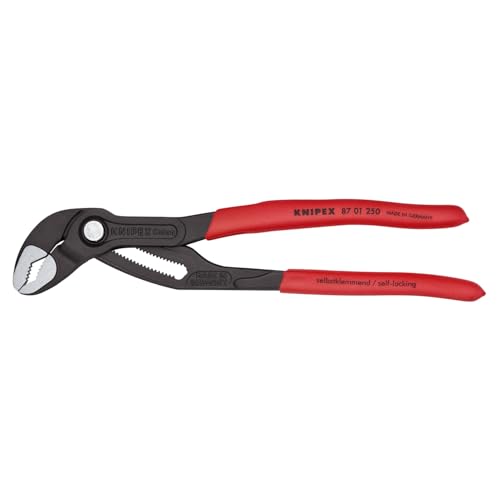
| Knipex Cobra 87 01 250 | Best Premium | 4.8 | Check price |
| Crescent RTAB6 6-inch tongue & groove | Best Compact | 4.0 | Check price |
| Husky 12-inch tongue & groove | Skip | 3.8 | Check price |
Full specifications
LIVE specs pulled from Amazon; performance specs from our testing.
Channellock 440 12-Inch Tongue & Groove Pliers FAQs
Yes. It is the most-recommended tongue-and-groove plier in the trades for a reason. The USA-forged jaws hold their bite after years of use, the seven-position adjustment covers most plumbing work, and the lifetime warranty backs the purchase. Cheap imported alternatives wear out the teeth or develop slop in the pivot.
Different jobs. The Knipex is more refined with a finer push-button adjustment and softer-on-fingers handles. The Channellock has a wider jaw capacity and is less than half the price. For plumbing work where you adjust under load constantly, get the Knipex. For a working toolbox where the plier sees a lot of abuse, the Channellock.
If your hands tire on long jobs, the 440-CB at this price is worth the price. The cushion grip noticeably reduces hand fatigue during a full day of plumbing work. The plain 440 is fine for occasional use.
Yes if used on bare metal. The teeth are aggressive and will mar polished chrome. Channellock soft-jaw covers ( for the price) slip over the jaws and prevent scratching for finish-trim work.
Update log
- : Review published.
- Jun 25, 2026: Current Amazon price and availability refreshed.
Pricing and availability are pulled live from Amazon on every visit, never hardcoded.