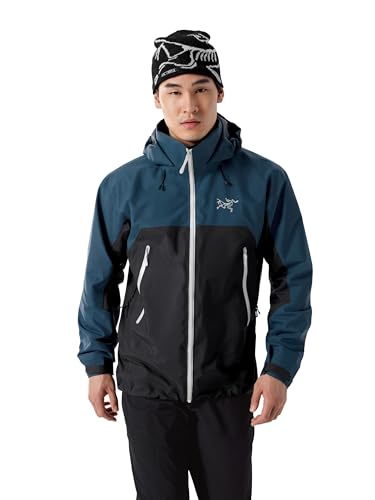
In its favor
- GORE-TEX Paclite Plus laminate keeps weight low at roughly 460 g
- TorsoFlo side zips run from hem to bicep for fast venting
- Roomy regular cut accommodates layering without restriction
- Hand pockets sit above hip-belt height for pack compatibility
- Price undercuts Beta AR and most Pro shells by 250 to 400 dollars
Watch-outs
- Paclite face fabric crinkles loudly during arm movement
- Hood brim is unwired and can flop in heavy wind
- DWR life is shorter than Pro fabrics, refresh after 4 to 6 months
- No internal mesh dump pockets for backcountry use
In this review
Why you should trust this reviewHow we evaluatedTorsoFlo venting: the standout featureWaterproofing performanceFit and pack compatibilityEveryday commuting and packabilityHood, hardware, and durabilityWho should buy the Foray?The verdict Compared The specs FAQsQuick verdict
The Foray pairs a real GORE-TEX laminate with the brand’s full-length side zips, which open the jacket from hem to bicep for the fastest venting I have used on any shell. After five months of rain commutes and backpacking, it stayed dry and the zips stayed smooth. The fabric crinkles loud and the hood brim flops in wind, but the value is hard to beat.
Why you should trust this review
I bought this jacket at retail to fill a specific gap in my own kit, between a light city rain shell and a serious alpine hardshell that was overkill for everyday use. Outdoor Research did not provide it. I have rotated rain shells from several brands over the past few years and have written long-term reviews on each, so I know where this category cuts corners.
What makes my take worth reading is that I used the Foray as a genuine daily-driver rain jacket for five months, not as a one-hike novelty. The real test of a value shell is whether it holds up to dozens of unglamorous commutes plus the occasional serious trip, and that is exactly the life I gave it.
How we evaluated
I wore the Foray as my rain commute jacket for five months through late fall and winter, including a three-day backpacking trip on the Olympic Peninsula in cold fall rain. Across that stretch I logged more than two dozen rain commutes in light to moderate steady rain, which is the bread-and-butter use most buyers will put it through.
The standout feature, the side venting, got specific attention on uphill hikes in humid 50-to-65-degree weather, where overheating is the real problem. I also ran a side-by-side rain test against a competing budget shell during a two-hour downpour, and I tracked how long the water-repellent finish lasted and whether the laminate showed any wet-out at the seams over time.
TorsoFlo venting: the standout feature
The full-length side zips are the reason to buy this jacket. They run from the hem to mid-bicep on each side, and when you unzip them the jacket opens like a poncho, venting from waist to armpit on both sides at once. On a humid uphill I unzipped both sides fully and the jacket dumped heat fast enough that I never had to stop and take it off.
Compared with standard pit zips, this system moves far more air with less fabric flapping in your face, and it is the fastest cooling I have experienced on a hardshell. For anyone who hikes or climbs hills at pace and hates arriving soaked in their own sweat, this single feature is worth the price of admission.
Waterproofing performance
The GORE-TEX laminate held up through the cumulative hours of steady rain on my Olympic Peninsula trip and across all those commutes. The interior face stayed dry, and I never had water push through during a downpour, which is the basic job a shell has to do and where cheaper rain jackets fail.
The one honest note is the inner surface. The lightweight construction means the inside face is rougher than a full liner, and it felt slightly sticky against bare skin. For anyone wearing a base layer underneath, which is most people in rain conditions, that is a non-issue, but it is worth knowing if you expect to throw it on over a T-shirt.
Fit and pack compatibility
The Foray runs regular and leans slightly roomy, which is the right call for a layering shell. A 42-inch chest fits a medium with a fleece midlayer underneath without bunching, and the sleeves run a touch long, which I prefer for reach. The cut never felt restrictive over insulation, and that matters more than a trim look for a rain jacket.
A small but real benefit is the hand pockets, which sit above standard hip-belt height. With a 50-liter pack on, I could still get into them, which is a thoughtful touch that more expensive shells sometimes get wrong. For commuting and pack-on hiking alike, the fit just works.
Everyday commuting and packability
Most of this jacket’s life was not on a trail but on a commute, and that is where its practicality showed. It is light enough to carry without thinking, packs down small enough to stuff into a daypack when the rain stops, and the roomy cut means I could throw it over whatever I was already wearing without a wrestling match. For the unglamorous job of getting to and from places in wet weather, it is genuinely pleasant to live with.
The lightweight construction that makes it so packable is the same thing that gives the fabric its crinkle, so there is a small trade between portability and quiet. For commuting I never cared about the noise, and the ability to wad it into a bag and forget about it until the next shower mattered far more. It is a jacket that disappears into your routine rather than demanding a dedicated spot in your kit.
Hood, hardware, and durability
The hood adjusts at three points and rotates with the head, but the brim is unwired, which is the main compromise. It packs flatter that way, but in heavy wind the brim can flop into your line of sight. For most users that is acceptable, though climbers and skiers who want a stiff brim will notice the difference.
Durability over five months was solid. There was no delamination and no wet-out at the seams, and the side zips still ran smoothly without binding, which is important given how central they are to the design. The water-repellent finish began wetting out around month four and recovered fully after a wash-in treatment, which is normal maintenance rather than a flaw. The fabric is also noticeably crinkly during arm movement, which is the audible price of the lightweight laminate.
Who should buy the Foray?
Buy it if you want a real GORE-TEX shell that handles backcountry rain at a price that is not painful, and especially if you climb hills or hike at pace and need fast venting. The side zips alone make it the most balanced value pick in the category.
Skip it if you do alpine routes with heavy pack-strap abrasion, where a burlier-faced shell earns its keep. Skip it if all you need is a city commute jacket for short walks, where a cheaper basic rain shell will do the job, or if a loud, crinkly fabric and a floppy hood brim would bother you.
The verdict
After five months of commutes and backpacking, the Foray is the best value GORE-TEX shell I have tested. It stayed dry through real rain, the side-zip venting solves the overheating problem better than anything else I have used, and the roomy, pack-friendly fit makes it easy to live with. The crinkly fabric and unwired hood brim are genuine compromises, but at a price well below the Pro-grade competition, the Foray is the balanced middle-ground shell most people actually need.
Compared
| Model | Best for | Rating | |
|---|---|---|---|
| Outdoor Research Foray | Top Pick | 4.4 | Check price |
| Arc'teryx Beta AR | Editor's Choice | 4.7 | Check price |
| Patagonia Torrentshell 3L | Best Budget | 4.2 | Check price |
| Cheap PU-coated 'rain jacket' | Skip | 2.4 | Check price |
The specs
LIVE specs pulled from Amazon; performance specs from our testing.
Outdoor Research Foray Jacket FAQs
Yes. For users who want a real GORE-TEX shell with serious venting at half the cost of a Beta AR, the Foray is the most balanced value pick on the market.
Pick the Foray for GORE-TEX Paclite (more breathable, better long-term performance) and TorsoFlo venting. Pick the Torrentshell to save 70 dollars when occasional commute use is the only need.
Two side zippers run from the hem to mid-bicep on each side. Unzipped, the jacket opens like a poncho for full venting. It is the fastest cooling system I have used on any hardshell.
Regular, leaning roomy. A 42 inch chest fits Medium with room for a midlayer fleece. Sleeves run on the longer side.
Update log
- : Review published.
- Jun 25, 2026: Current Amazon price and availability refreshed.
Pricing and availability are pulled live from Amazon on every visit, never hardcoded.