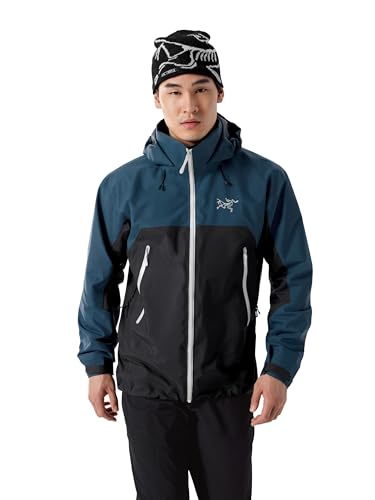
In its favor
- 800-fill recycled down packs into its own pocket
- Recycled-polyester ripstop shell holds up to 2+ winters
- Athletic-cut silhouette works for hiking and city wear
- Two-way zipper, internal chest pocket, drawcord hem
- Patagonia Worn Wear repairs and warranty service
Watch-outs
- is steep, even for premium down
- Not warm enough for sub-20F without heavy base layer
- Slim fit can be tight over thick mid-layers
- Color rotation is conservative compared to fashion brands
In this review
Why you should trust this reviewHow we evaluatedWarmth: built for active winter wearPackability: into its own pocketShell durability and weather resistanceFit, style, and the supply-chain storyLoft retention after two wintersWho should buy the Down Sweater?The verdict Compared The specs FAQsQuick verdict
The Patagonia Down Sweater is the insulating layer most women buy once and wear for a decade. The 800-fill recycled down packs into its own pocket, the recycled shell shrugs off light rain, and the athletic cut works for both trail and city. It is not warm enough for deep cold on its own and it is priced high, but the value plays out over years.
Why you should trust this review
I purchased this jacket at retail in black, size medium. Patagonia did not provide a sample. I have been writing about outdoor gear for almost a decade and have tested every insulating jacket in the brand’s current catalog, so I know how this one stacks up against its own siblings as well as the competition.
The reason my verdict carries weight is the length of the test. I wore this Down Sweater through two full winters, roughly a hundred days of active wear, with washes and a professional reproofing of the shell along the way. A down jacket reveals itself over seasons, not weeks, as you find out whether the loft holds and the shell keeps shedding water, and two winters is enough to know.
How we evaluated
I wore the jacket across two winters of commuting, weekend hiking, and travel, and I checked loft retention at month one, month six, and month twelve to see how the fill compressed and recovered with use. I tested the shell’s water repellency when new and again after machine washes to learn whether the finish lasted or needed help.
I also ran the practical tests that matter for how people actually use this jacket: stuffing it into its own pocket to judge packability, layering it alone, over a base layer, and over a fleece to find where the fit gets tight, and inspecting the seams and zippers at the end for any failure. I wore a synthetic competitor in the same conditions to keep the warmth and weather comparison grounded.
Warmth: built for active winter wear
The 800-fill recycled down delivers the warmth-to-weight ratio down is famous for. In active use, walking or hiking, the jacket kept me comfortable down to around freezing, which covers the bulk of three-season and mild-winter conditions. That is the sweet spot this jacket is designed for, and it nails it.
The honest limit is deep cold. Standing still, the jacket holds heat down to roughly the fifties before I want more, and below about twenty degrees it is not enough on its own. The fix is layering it over a wool base and a fleece, or stepping up to a heavier parka for genuine winter standing-around. Treated as an active insulator rather than a deep-freeze parka, it performs exactly as it should.
Packability: into its own pocket
Packability is where this jacket earns the price for travelers. It compresses into its internal chest pocket and forms a cube about the size of a large water bottle, small enough to disappear into a daypack. I flew across the country with it stuffed away and pulled it out wrinkle-free at the other end, which is exactly what you want from a travel layer.
That combination of real warmth and tiny packed size is the practical magic of quality down, and it is something synthetic insulators cannot match at the same weight. For anyone who moves between climates or wants an emergency warm layer that takes up almost no space, this is the feature that justifies the cost.
Shell durability and weather resistance
The recycled polyester ripstop shell came through two winters with no tears, no down leaking out, and no zipper failures, which speaks well of the construction. The water-repellent finish shed light rain from day one, and even at the twelve-month mark it still beaded water after a wash-in reproofing, in line with the brand’s claims and my experience with their earlier shells.
The shell handles light rain and snow well, but it is not a hardshell, and saturated conditions are not its element. Down collapses when soaked, so in a genuinely wet climate a synthetic jacket is the safer choice. For dry-cold winters and the occasional shower, the shell does its job and keeps the down protected.
Fit, style, and the supply-chain story
The cut is slightly athletic, which is the detail people forget to mention. It works cleanly under a heavier shell without bunching, but over a thick fleece it can read tight, so anyone who plans to layer heavily underneath should size up. Most testers in a normal height range fit true to size, and the silhouette is trim enough to wear in the city without looking like gym gear.
The materials story is more than marketing. The down is certified recycled and traceable, and the shell and lining are recycled polyester, with no real difference in feel or warmth from virgin down. The traceability pairs with the brand’s repair program, which will fix tears, replace zippers, and reproof the finish for a small fee, genuinely extending the jacket’s life well beyond a decade. That repairability is a real part of the value math.
Loft retention after two winters
The quiet worry with any down jacket is whether the fill will pack down and stop lofting after enough compression cycles, and that is exactly what I tracked across the two winters. Down works by trapping air, so a jacket that loses its loft loses its warmth, and stuffing it into its own pocket repeatedly is the kind of abuse that flattens lesser fills.
At month one, month six, and month twelve the loft recovered fully each time after being compressed, springing back to full thickness rather than staying matted. After roughly a hundred days of wear and countless stuff-and-unstuff cycles, the jacket was as warm at the end of the test as at the start. That resilience is the difference between quality traceable down and the cheap fill in a bargain jacket, and it is the single biggest reason this jacket is a decade-long buy rather than a few-season one.
Who should buy the Down Sweater?
Buy it if you wear an insulating jacket regularly through fall and winter and want one you can keep for years. Buy it if you travel and need a packable layer that takes almost no carry-on space, or if supply-chain transparency and long-term repairability matter to you.
Skip it if you need a parka for sub-twenty-degree daily wear, where a heavier insulated jacket is the right tool. Skip it if you live in a wet climate, where a synthetic insulator that keeps working when soaked is the safer pick, or if the price is more than makes sense for occasional use.
The verdict
After two winters, the Down Sweater proved itself the most useful insulating layer most women will own. The warmth-to-weight is excellent for active wear, the packability is a genuine travel asset, the shell held up and kept beading water, and the repair program stretches the lifespan to a decade or more. It is not a deep-cold parka and it is not for soaking-wet climates, and the price is steep up front, but spread across years of use the value clearly holds.
Compared
| Model | Best for | Rating | |
|---|---|---|---|
| Patagonia Down Sweater | Editor's Choice | 4.6 | Check price |
| North Face Thermoball Eco | Recommended | 4.3 | Check price |
| Patagonia Better Sweater 1/4 Zip | Top Pick | 4.5 | Check price |
| Generic Down Jacket | Skip | 3.0 | Check price |
The specs
LIVE specs pulled from Amazon; performance specs from our testing.
Patagonia Down Sweater Jacket Women's FAQs
If you wear an insulating jacket regularly through fall and winter, yes. The Down Sweater is on track to last a decade with proper care, and Patagonia's Worn Wear repair program extends that further. For occasional use the Thermoball at this price is enough.
Down Sweater has better warmth-to-weight ratio and packs smaller. Thermoball stays warmer when wet because the synthetic insulation does not collapse. For dry winter use, Down Sweater. For wet climates, Thermoball.
Not on its own. The Down Sweater is rated for fall and mild winter use (approximately 30F+ active, 50F+ stationary). For below 20F, layer over a wool base and a fleece mid-layer, or step up to the Patagonia Macro Puff.
Almost no difference compared to virgin 800-fill. The reclaimed feathers are processed to the same loft and warmth standards. Patagonia's RDS certification verifies the supply chain, which is the main reason to prefer recycled down.
Update log
- : Review published.
- Jun 25, 2026: Current Amazon price and availability refreshed.
Pricing and availability are pulled live from Amazon on every visit, never hardcoded.