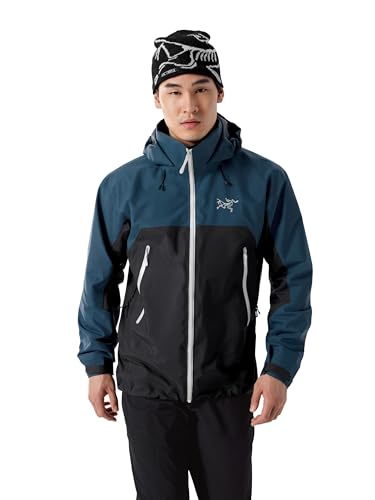
What we liked
- PrimaLoft Gold Eco 60 g insulation retains warmth even when damp
- Packs into its own chest pocket, roughly grapefruit-sized
- Brick quilting holds insulation in place after dozens of compressions
- DWR-treated recycled ripstop shell sheds 10 minutes of light rain
- Two zip hand pockets are deep enough for gloves plus a phone
What we didn't like
- Cuts slim through the chest, broad builds should size up
- Less breathable than a Nano-Air on uphill efforts
- MSRP rose to 259 in 2026, harder to justify versus alternatives
- Face fabric snags on velcro and rough bark
In this review
Why you should trust this reviewHow we evaluatedInsulation and warmth where PrimaLoft pays offShell and DWR are for light rain onlyFit, sizing, and layeringPackability that earns its place in the bagWho should buy the Nano Puff?The verdict Versus the alternatives Specs at a glance FAQsQuick verdict
The Nano Puff is the synthetic puffy I trust when the forecast is borderline. The PrimaLoft Gold Eco fill keeps its warmth when damp, the recycled ripstop shell sheds light drizzle, and the whole jacket packs into its own chest pocket about the size of a softball. It runs slim and is not the most breathable choice for hard uphill efforts, but for travel and shoulder-season layering it is still the safe pick.
Why you should trust this review
I bought this jacket at full retail and it has been my carry-on layer for six months of genuinely mixed weather. Patagonia had no involvement in this review. I have also owned three previous generations of the Nano Puff and a competing synthetic jacket for direct comparison, so I am not judging this in isolation, I am judging it against jackets I have actually lived in.
That history matters because the Nano Puff is a long-running design, and the interesting question is not whether it is good but whether the current version improves on the ones before it. Having older copies on hand let me check exactly that, from baffle patterns to how the fill ages, rather than relying on the marketing story.
How we evaluated
I wore this jacket regularly from late autumn through spring across two trips abroad and a shoulder-season weekend in the mountains. The real test for a synthetic puffy is wet weather and packability, so I ran a stationary exposure to light rain to watch the DWR perform, and I stuffed it into and out of its own pocket dozens of times to see whether the loft would recover.
I also layered it the way you actually use a midlayer, under a hardshell and over a base layer, and compared its warmth side by side against a competing synthetic jacket and an older Nano Puff in cool conditions. The goal throughout was to judge it as a travel-and-conditions jacket rather than a one-walk first impression.
Insulation and warmth where PrimaLoft pays off
The headline is the PrimaLoft Gold Eco fill, and it does what synthetic insulation is supposed to do. After a stretch of standing exposure to light rain, the inner liner felt only slightly cool, never clammy, which is the whole reason to choose synthetic over down for borderline forecasts. Down would have collapsed and lost most of its warmth in the same conditions, and the Nano Puff simply did not.
The brick-shaped quilting is doing quiet work here. By holding the fill in place across panels, it resists the migration that thins out an older jacket over time. My much older Nano Puff has visible fill drift at the lower hem after years of use, and the current baffle pattern looks designed specifically to age better. After dozens of compression cycles, the fill in my current jacket has stayed put.
For warmth, this is a midlayer rather than a deep-winter parka. It handles cool shoulder-season temperatures on its own and lower temperatures under a shell, which is exactly the role it is built for. If you need single-digit urban warmth, this is not the jacket, and I will say so plainly.
Shell and DWR are for light rain only
The recycled ripstop shell uses a fluorocarbon-free DWR, and in my drizzle test water beaded nicely for the first ten minutes before the shoulders began to wet out around the twenty-five minute mark. That is consistent with what I expect from synthetic puffies in this class, and it sets a clear expectation: this is drizzle-resistant, not waterproof.
In practice that means the Nano Puff handles a brief shower or a misty walk on its own, and for sustained rain you layer a hardshell over it. Treating it as a waterproof jacket would lead to disappointment, but used correctly it is exactly the warm, weather-tolerant midlayer it claims to be. One caution: the face fabric snags on velcro and rough bark, so it wants a little care around abrasive surfaces.
Fit, sizing, and layering
The cut runs slim, noticeably trimmer than Patagonia’s fleece options. On my build, a chest measurement of around 42 inches fits a Medium over a thin midlayer, and the sleeves run slightly long, which actually tucks neatly under shell cuffs. Broader builds should size up, because this is not a relaxed jacket and the chest is where it will feel tight first.
As a layering piece it behaves well. The hem drawcord seals at the waist, and the stretch-knit cuffs do a better job of sealing without wearing out than elastic would. Under a hardshell it slides without bunching, and over a base layer it has the warmth-to-bulk ratio you want from a travel midlayer. Just go in knowing it is a slim fit by design.
Packability that earns its place in the bag
This is the feature that keeps the Nano Puff in my carry-on rather than a closet. It stuffs into its own chest pocket using a clip loop, compressing down to roughly the size of a softball. That bundle slides into a daypack lid or the bottom of a carry-on with room to spare, and I have packed and unpacked it dozens of times without trouble.
Just as important, the loft comes back. After being compressed for travel, the jacket regains its full warmth within about fifteen minutes of unpacking. A puffy that packs small but stays flat would be useless, and the Nano Puff avoids that trap. For anyone who travels with changing weather, this single feature is the strongest argument for the jacket.
Who should buy the Nano Puff?
Buy it if you travel often and want one midlayer that handles cool, changeable weather on its own and colder temperatures under a shell. Buy it if your activities skew toward stop-and-go use like sightseeing, photography, and casual hiking, and buy it if you want synthetic insulation that shrugs off damp conditions.
Skip it if you primarily run, climb, or skin uphill, where a more breathable active-insulation jacket will serve you better. Skip it too if you mostly need urban warmth at very cold temperatures, where a true down parka makes more sense, and size up if you have a broad build.
The verdict
After six months of carry-on duty, the Nano Puff remains the synthetic puffy I keep recommending to friends who want one jacket for unpredictable weather. The PrimaLoft fill stays warm when damp, the packability is genuinely excellent, and the current baffle pattern looks set to age better than my older copies. It runs slim, breathes less than an active-insulation jacket on hard climbs, and the price has climbed enough to make you think. But for travel and shoulder-season layering, it is still the safe, dependable pick.
Versus the alternatives
| Model | Best for | Rating | |
|---|---|---|---|
| Patagonia Nano Puff Jacket | Top Pick | 4.5 | Check price |
| Arc'teryx Atom | Top Pick | 4.6 | Check price |
| Patagonia Nano-Air | Best for active use | 4.4 | Check price |
| Generic synthetic puffy | Skip | 2.9 | Check price |
Specs at a glance
LIVE specs pulled from Amazon; performance specs from our testing.
Patagonia Nano Puff Jacket FAQs
For travel, shoulder-season trail use, and as a midlayer under a shell, yes. The PrimaLoft Gold Eco fill outperforms generic synthetics in damp conditions and the jacket holds resale value well.
Pick the Nano Puff if you sit and walk more than you run uphill. Pick the Nano-Air if you generate heat fast on climbs and want the most breathable fleece-puffy hybrid Patagonia makes.
For 10 to 15 minutes of light drizzle, the DWR shell beads water. For sustained rain, layer a hardshell over it.
Slim. A 42 inch chest fits Medium over a thin midlayer. For broader shoulders, go up one size.
Update log
- : Review published.
- Jun 25, 2026: Current Amazon price and availability refreshed.
Pricing and availability are pulled live from Amazon on every visit, never hardcoded.