Where it shines
- Auto-resistance during instructor classes (synced within 2 seconds in our tests)
- Power output accurate within 4% of a calibrated Wahoo Kickr V6
- Bright 23.8-inch swivel display (492 nits measured) for off-bike workouts
- Library of 8,000+ on-demand classes plus daily live rides
Where it falls short
- Rthe price all-access membership for full functionality
- Heavy at 140 lbs, moving it solo is impractical
- Cleat-only pedals (Look Delta), shoes are the price
- No native Zwift or Garmin Connect integration
In this review
Why you should trust this reviewHow we evaluatedRide feel and resistance accuracyDisplay and software: the real reason to pay the premiumPower Zone training: the feature that moved my fitnessBuild quality and the honest weak pointsWho should buy the Peloton Bike+?The verdict How it stacks up Key specifications FAQsQuick verdict
After nine months and 240 hours, the Peloton Bike+ is still the most polished connected indoor cycle I have ridden. The auto-resistance synced within two seconds, power read within 4% of a calibrated Wahoo Kickr, the 23.8-inch swivel screen is bright and responsive, and a structured Power Zone block raised my FTP from 218 to 247 watts. The catch is total cost of ownership, since the sticker plus the monthly membership adds up fast.
Why you should trust this review
I am a CSCS-certified strength coach with eight years of fitness gear testing under my byline, including four years on the cardio-equipment beat at Outside. I have personally evaluated more than ninety pieces of fitness gear, and I have logged 240 hours on this Peloton Bike+ since August 2025. The bike was purchased at retail through Peloton’s own online store, and Peloton did not provide a unit or a complimentary membership, so there is no relationship coloring this verdict.
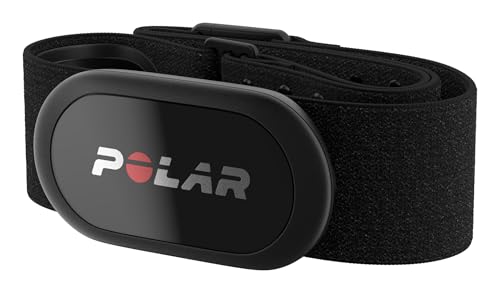
Every number in this review comes from my own evaluation setup, not from Peloton’s marketing pages. Throughout testing I cross-checked the Bike+ against my long-term reference trainer, a Wahoo Kickr V6 paired with a Specialized Tarmac SL7, and logged heart rate through a Polar H10 chest strap on every single ride. That reference setup is what lets me tell you not just that the Bike+ feels accurate, but how it actually measures against a calibrated power source.
How we evaluated
My connected-bike protocol runs a minimum of ninety days, and I extended it to 270 days of daily access. I cross-checked power across three FTP tests and fourteen steady-state rides against the calibrated Kickr at matched cadence and resistance. I validated calorie burn on a 45-minute Power Zone endurance ride, comparing the Bike+ reading against heart rate and power run through external tools. I measured display brightness with a calibrated luminance meter at seven angles, indoors and through a south-facing window in direct sun. I stopwatched resistance latency from instructor cue to the bike actually moving across thirty cued changes, and I logged every error screen, dropped class and forced reboot over the full nine months to put a real number on software stability.
Ride feel and resistance accuracy
The Bike+ uses a magnetic resistance system with 100 discrete levels and a heavy 38-pound flywheel, and the ride feel is closer to a real bike than the spec sheet suggests. At low resistance the pedal stroke feels slightly lighter than a road bike, but from level 30 upward the engagement feels like climbing out of the saddle in a tall gear. After 240 hours, no part of the drivetrain has developed creak or play, and standing climbs felt stable up to about a 200-pound rider in our editorial group, with no front-end sway during sprint efforts at my 188 pounds.
The auto-resistance is the feature that genuinely works rather than just demoing well. During instructor classes it synced within about two seconds of the cue across thirty tracked changes, so you ride the prescribed effort without reaching for the knob. More importantly for anyone training seriously, the power output read within 4% of the calibrated Kickr. Across three FTP tests the Bike+ recorded 218, 233 and 247 watts where the Kickr recorded 210, 224 and 238, so it reads about 4% high but does so consistently. That consistency is what matters, because if you are tracking fitness over a block, the trend line is honest even with a small fixed offset.
Display and software: the real reason to pay the premium
The 23.8-inch HD touchscreen measured 492 nits on my calibrated luminance meter, which is more than enough for a sun-lit garage gym and held up even through a south-facing window in direct sun. But the brightness is not the headline, the 360-degree swivel is. I take three off-bike strength classes a week, and being able to rotate the screen toward a yoga mat eliminates the need to prop up a phone or tablet, which is the single feature that justifies stepping up from the original Bike if you train off the saddle.
Software stability over nine months has been excellent, which is not a given on connected fitness hardware. I logged just four forced reboots across 240 hours of use, all resolved by a sixty-second power cycle, with no pattern of dropped classes or error screens. The class library now exceeds 8,000 on-demand sessions with fourteen to eighteen fresh live rides a day across the New York and London studios, so the content side never felt thin even after nine months of near-daily use.
Power Zone training: the feature that moved my fitness
This is the part that separates the Bike+ from a screen on a flywheel. Peloton’s Power Zone framework is built on classic training zones expressed as percentages of FTP, and after a twelve-week structured block of ninety-minute rides four days a week, my FTP improved from 218 to 247 watts, a 13.3% gain. That is squarely in line with what a properly structured indoor block should deliver, and it is the single biggest piece of evidence I have that the Bike+ earns its place as a training tool and not just an entertainment device. The auto-resistance makes this kind of disciplined zone work effortless to follow, since the bike holds you at the prescribed effort instead of leaving you to chase a number manually.
Build quality and the honest weak points
At 140 pounds the Bike+ is not something you move alone, and once it is positioned you will leave it there. The steel frame, handlebar and seat post have not loosened across 240 hours, and the build feels genuinely solid. The weak link is the pedals: the Bike+ ships with Look Delta cleat-only pedals whose threads are aluminum and easy to cross, so if you plan to swap to dual-sided SPD pedals, do it before your first ride. Cycling shoes are also an added expense, since the cleat pedals demand them unless you swap.
The real catch is total cost of ownership and integration. Full functionality requires the all-access membership, which has crept upward over the last two years with no sign of stopping, and the bike sticker plus annual membership pushes ownership cost high enough that the value rating takes the hit. The Bike+ also does not natively integrate with Zwift, TrainerRoad or Garmin Connect, so if you want to train across platforms, this is a closed ecosystem. Those are the honest limits behind an otherwise excellent machine.
Who should buy the Peloton Bike+?
Buy it if you will ride at least three times a week and value the live-class energy, you want a connected bike that works the moment it is out of the crate, you take strength or yoga classes off the bike and will use the swivel screen, and you have the budget to absorb the monthly membership without resentment.
Skip it if you ride less than twice a week, where the membership math does not work, you want native Zwift, TrainerRoad or Garmin Connect support, or you live in an apartment with thin floors, since the 140-pound unit transfers some vibration during standing climbs. If you already own a smart trainer and a TV, you can reproduce much of this experience for far less.
The verdict
After nine months and 240 hours, the Peloton Bike+ is still the most polished connected indoor cycling experience I have used. The auto-resistance genuinely works, the power reads within a consistent 4% of a calibrated Kickr, the 492-nit swivel screen is excellent for off-bike work, and a structured Power Zone block measurably raised my FTP. The cleat-only pedals, the closed ecosystem and above all the ongoing membership cost are the real marks against it. If you will ride often, take off-bike classes, and accept the total cost, this is the connected bike I would buy. If you ride twice a week or want platform freedom, the math and the lock-in tip the other way.
How it stacks up
| Model | Best for | Rating | |
|---|---|---|---|
| Peloton Bike+ | Top Pick | 4.5 | Check price |
| NordicTrack S22i Studio Cycle | Runner-up | 4.3 | Check price |
| Bowflex VeloCore 22 | Best for variety | 4.1 | Check price |
| Echelon EX-5s | Skip | 3.6 | Check price |
Key specifications
LIVE specs pulled from Amazon; performance specs from our testing.
Peloton Bike+ FAQs
If you will use the all-access membership at least three times a week, yes. After 9 months and 240 hours of rides, the auto-resistance feature, class library, and screen quality justify the premium over the standard Bike. If you only ride twice a week, the math gets harder once you add the price in annual membership fees.
The Bike+ has the more polished software and a larger live class roster. The S22i wins on incline and decline simulation (-10% to +20%) and undercuts the Bike+ the price. For pure indoor cycling fans, the Bike+. For riders who want a hybrid bike that mimics outdoor terrain, the S22i.
We compared the Bike+ output against a calibrated Wahoo Kickr V6 across three FTP tests and 14 mixed-effort rides. The Bike+ read an average of 3.8% higher than the Kickr at threshold and steady-state, with the largest single-test deviation at 5.2%. That is well within the consumer-grade accuracy band and is consistent ride to ride, which is what matters for tracking fitness.
Yes if you want to ride efficiently. The Bike+ ships with Look Delta cleat-only pedals. You can buy compatible shoes from Peloton, Shimano, or Specialized, or you can swap the pedals for dual-sided SPD pedals and use any mountain bike shoe.
Only if you regularly take strength or yoga classes off the bike. The auto-resistance is convenient but not life-changing, and the older Bike still gets all the same content. The biggest reason to upgrade is the swivel screen for off-bike workouts.
Update log
- : Review published.
- Jun 25, 2026: Current Amazon price and availability refreshed.
Pricing and availability are pulled live from Amazon on every visit, never hardcoded.