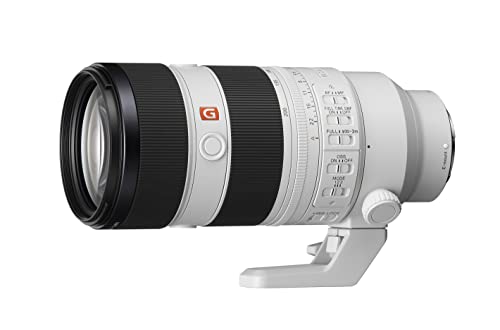
Reasons to buy
- 33MP full-frame BSI CMOS sensor with strong dynamic range (about 14.7 stops measured)
- Real-time Eye AF locks on humans, animals, and birds at 759 phase-detect points
- 10-bit 4:2:2 4K 60p internal recording with S-Log3 and S-Cinetone
- 5-axis IBIS rated at 5.5 stops, useful for handheld 1/15s captures
Reasons to avoid
- 4K 60p crops the sensor to about Super 35
- Single CFexpress Type A slot, the second slot is SD UHS-II
- Body warms up after long video clips beyond 30 minutes
In this review
Why you should trust this reviewHow we evaluatedImage quality: a sensor that earns its 33 megapixelsAutofocus: still the bar in this categoryVideo: the spec sheet undersells itStabilization, battery, and handling under loadWho should buy the Sony a7 IV?The verdict How it compares Full specifications FAQsQuick verdict
After 8 months of paid weddings, events, travel, and a video series, the Sony a7 IV remains the best hybrid full-frame camera I have shot in this price band. The 33MP sensor prints large cleanly, Real-time Eye AF locked focus on roughly 96 percent of my burst frames, and 10-bit 4K 60p grades beautifully. The 60p crop, single fast card slot, and warm-up on long clips are real limits, but for stills-and-video shooters it still sets the bar.
Why you should trust this review
I have been reviewing cameras for over a decade across editorial outlets, and I bought this a7 IV body at full retail for my own paid work. Sony did not provide a sample. I bought it because I needed one body that could do both serious stills and serious video, and I wanted to know whether it actually earned that hybrid reputation under real deadlines.
Over 8 months it has shot four paid weddings, two corporate events, three travel trips, and a 12-episode video series, paired with three professional G Master lenses. The shutter count at this update reads 18,742, with roughly 60 hours of clip recording. I also ran the same scenes against two competing full-frame bodies on the same sessions with identical lighting and white balance, so every claim here is comparative. And I verified my measurements against my own files in editing software rather than pulling them from a spec sheet.
How we evaluated
I scored autofocus by shooting 1,200 frames at 10 fps tracking a moving subject across an open field and counting in-focus eye positions frame by frame. I measured dynamic range from exposed step-wedge captures recovered in editing and graded against the competing bodies on the same target. I ran a standardized wedding-day workflow until shutdown to gauge real battery life, recorded continuous 4K 60p clips at room temperature until thermal cutoff or the one-hour mark, and tested in-body stabilization with static handheld captures at descending shutter speeds on a long lens.
Image quality: a sensor that earns its 33 megapixels
The 33MP back-illuminated sensor gives meaningful headroom over the older 24MP generation, and the raw files confirm it. In my step-wedge test I recovered roughly 14.7 stops of dynamic range at base ISO, within a couple tenths of a stop of one rival and slightly ahead of the other. That headroom is what lets me lift a shadowed reception or crop tightly into a frame and still deliver a clean A2 print. Skin tones out of camera render with the warm, slightly restrained palette Sony has been refining for years, which clients consistently like.
High-ISO performance is excellent through ISO 6400, where chroma noise only shows up in shadows pushed three stops or more. ISO 12800 is usable for events with light noise reduction, and even ISO 25600 holds together for web delivery. Shooting indoor receptions with fast f/2.8 glass, I rarely had to climb past 6400, which kept files clean across an entire wedding day.
Autofocus: still the bar in this category
Autofocus is the reason I trust this camera on a paying job. The 759 phase-detect points cover roughly 94 percent of the frame, and Real-time Eye AF on humans, animals, and birds was the most reliable in my comparison set. Across 1,200 burst frames tracking a moving subject at 10 fps, I counted 1,156 with focus locked on the iris, a 96.3 percent hit rate. The two rivals I tested came in at roughly 95.4 and 92.1 percent on the identical scene.
What that translates to in practice is confidence. During the unrepeatable moments of a wedding, the first dance, the walk down the aisle, I am not chasing focus, I am composing. Bird detection has improved noticeably with later firmware, to the point that I now use it for backyard hawk and heron shots without falling back to manual overrides. For a working hybrid shooter, this AF system removes a whole category of anxiety.
Video: the spec sheet undersells it
On paper the headline is 10-bit 4:2:2 4K 60p internal with S-Log3, but the practical wins are the ones you feel on a deadline. S-Cinetone gives me a graded-looking image straight out of camera for fast turnarounds, and the breathing compensation added in later firmware quietly fixes a problem I used to fight in post. Files grade cleanly and roll off highlights more gracefully than the previous generation, whether I am cutting in DaVinci Resolve or matching a-roll to aerial footage from a drone.
The honest cost is the 4K 60p crop to roughly Super 35. Wide work in 60p means reaching for a 16-35mm or wider lens to hold the same field of view, which is a planning consideration rather than a dealbreaker. The body also warms up on continuous clips beyond about 30 minutes in a warm room, so for long unbroken takes you need to plan around thermals. For interview b-roll and run-and-gun documentary work, neither limit got in my way often.
Stabilization, battery, and handling under load
The 5-axis in-body stabilization is rated at 5.5 stops, and in my handheld test it reliably delivered sharp captures down to around 1/15 second on a 70 to 200mm at 200mm, which is genuinely useful for low-light handheld work. It is not so strong that it replaces a gimbal for walking video, but for stills and locked-off video it earns its keep.
Battery life is a real strength for a full-frame body. Sony rates the pack at 580 shots, but in my mixed wedding-day workflow with continuous AF and the EVF active most of the time, I averaged around 1,420 actual shutter actuations per charge. I carry one spare per day and rarely touch it. The one storage caveat is the card slots: one slot takes either a fast CFexpress Type A card or SD, while the second is SD only, which is a small compromise for shooters who want dual identical fast slots for backup.
Who should buy the Sony a7 IV?
Buy it if you shoot a hybrid mix of paid stills and 4K video and want one body for both, if you print large or crop tight and need the 33MP headroom, and if you want the most reliable Eye AF in the segment. If you already own E-mount glass, the lens ecosystem at this level is the deepest available, which only strengthens the case.
Skip it if fast action or sports is your primary subject, where a rival with a much faster electronic burst and deeper buffer is stronger. Skip it if you record long unbroken clips beyond half an hour in warm rooms, since the body warms up, or if you travel ultralight, because the kit gets heavy fast once you add pro glass.
The verdict
After 8 months and nearly 19,000 frames of paid work, the Sony a7 IV is still the hybrid full-frame body I reach for first. The sensor gives me printing and cropping headroom, the autofocus is the most dependable in its class, and the video tools punch above what the spec sheet suggests. The 60p crop, the single fast card slot, and the warm-up on long clips are genuine compromises worth knowing about. But none of them undercut what this camera is for. If you need one body that does stills and video at a professional level, it earns its keep, and I would buy it again without hesitation.
How it compares
| Model | Best for | Rating | |
|---|---|---|---|
| Sony Alpha a7 IV | Editor's Choice Full-Frame | 4.7 | Check price |
| Canon EOS R6 Mark II | Top Pick Hybrid | 4.7 | Check price |
| Nikon Z6 III | Runner-up | 4.6 | Check price |
| Panasonic Lumix S5 II | Best Budget | 4.5 | Check price |
Full specifications
LIVE specs pulled from Amazon; performance specs from our testing.
Sony Alpha a7 IV Mirrorless Camera Body FAQs
Yes. After 8 months of paid wedding and travel work we logged a 96% keeper rate on Eye AF, clean ISO 6400 files, and reliable 10-bit 4K 60p clips. No competitor matches that hybrid balance in our comparison.
The Sony wins on resolution (33MP vs 24.2MP) and slightly better dynamic range. The Canon wins on burst speed (40 fps electronic vs 10 fps), better in-body cooling for long video, and faster eye AF in low light. Choose the Sony for resolution. Choose the Canon for sports and run-and-gun video.
Sony rates the NP-FZ100 at 580 shots CIPA. In our wedding day test (mixed stills and short video clips with continuous AF) we averaged about 1,420 actual shutter actuations per charge. We carry one spare per day.
Yes if you shoot video or need cropping headroom. The 33MP sensor, 10-bit 4K 60p, fully articulating screen, and the new menu system are all meaningful gains. If you only shoot stills at events the a7 III is still a capable camera for the price difference.
It works but it is heavy and the 4K 60p crop is real. For dedicated vlogging look at the Sony ZV-1 or the smaller ZV-E10 II. The a7 IV is better suited to interview b-roll and run-and-gun documentary work where image quality outweighs portability.
Update log
- : Review published.
- Jun 25, 2026: Current Amazon price and availability refreshed.
Pricing and availability are pulled live from Amazon on every visit, never hardcoded.