Strengths
- 1-inch 20.1MP stacked CMOS sensor with strong low light
- Built-in 3-capsule directional mic plus dead cat included in box
- Real-time Eye AF for video tracks faces reliably at f/1.8
- 24-70mm f/1.8 to 2.8 equivalent zoom in a 294 gram body
Drawbacks
- No built-in EVF for outdoor framing in bright sun
- Battery life is roughly 45 minutes of 4K recording per charge
- Rolling shutter visible in fast pans at 4K 30p
In this review
Why you should trust this reviewHow we evaluatedImage quality and lens: punchy, predictable, pocketableAudio: the feature most reviews undersellAutofocus and vlog ergonomics: the small things add upThe honest limitationsWho should buy the Sony ZV-1?The verdict Against the competition Technical details FAQsQuick verdict
After 18 months of carry-everywhere vlogging, the Sony ZV-1 is still the pocket vlog camera I recommend. The 1-inch sensor stays clean where phones fall apart, the built-in 3-capsule directional mic genuinely beats a phone for run-and-gun audio, and Real-time Eye AF tracks faces reliably at f/1.8. There is no EVF and battery runs about 45 minutes per charge, but it remains the most complete pocket vlog tool.
Why you should trust this review
I have been reviewing compact and vlog cameras for 9 years across editorial outlets, and I bought this Sony ZV-1 body in November 2024. Sony did not provide a sample. A vlog camera proves itself in the field, in whether the autofocus holds your face on a windy walk and whether the audio is actually usable without an external rig, and none of that shows up in a spec sheet.
So I lived with it. Over 18 months I shot a weekly two-camera YouTube series, three travel trips, and roughly 60 hours of 4K footage, for about 87 hours of recorded clips through the lens by the time of this update. I compared the ZV-1 directly against the newer ZV-1 II, the Canon PowerShot V10, and the DJI Osmo Pocket 3 on the same Saturday walks at matched focal lengths and apertures, and scored audio against a Sennheiser MKH 416 boom reference in Adobe Audition.
How we evaluated
My protocol targeted the things vloggers actually struggle with. I scored face-tracking hit rate frame by frame across 60 minutes of walking 4K 30p clips, logging every face-lock loss. I recorded clean speech samples in a quiet room, outdoor wind, and a busy cafe, comparing each against an iPhone 16 Pro and the Sennheiser reference. I ran continuous 4K 30p recording with face tracking active until shutdown for battery, compared walking footage at 24mm and 70mm against the same shots stabilized in DaVinci Resolve, and graded a low-light cafe scene at ISO 1600, 3200, and 6400. The full method is on our methodology page.
Image quality and lens: punchy, predictable, pocketable
The 1-inch stacked sensor delivers cleaner files than any phone I have tested at ISO 1600 and below, which is the range most vlog footage actually lives in. The Zeiss 24-70mm equivalent zoom is fast enough at the wide end (f/1.8) to give real background separation on close subjects, and the 70mm long end at f/2.8 produces flattering portrait crops that a phone simply cannot fake convincingly.
In my cafe low-light test at ISO 1600, the noise floor was clearly lower than the Canon PowerShot V10’s 1-inch sensor and roughly tied with the DJI Osmo Pocket 3’s similar-class chip. The trade-off to know is rolling shutter, which shows up in fast 4K pans and can wobble vertical lines if you whip the camera around. For the deliberate, steady framing most vlogs use, it is rarely an issue, but quick action shooters should be aware of it.
Audio: the feature most reviews undersell
The built-in 3-capsule directional mic, with the included dead cat windscreen, is the single biggest reason to choose this camera over a phone. In my outdoor walking test it captured the speaker’s voice about 14 dB above the wind noise floor, while the iPhone 16 Pro sat at roughly 0 dB at the same distance. That is the difference between usable audio and unusable audio on a breezy day, and it is the reason I trust the ZV-1 for run-and-gun b-roll.
Indoors the gap narrows, but the directional pickup still rejects room reverb better than any phone in my pile. I only patch in the Sennheiser when I am seated for a long take; for everything else, the on-camera mic is good enough that I do not think about audio. For a creator who does not want to manage an external mic, this built-in solution is genuinely rare.
Autofocus and vlog ergonomics: the small things add up
Across my 60 minutes of walking clips, Real-time Eye AF held a 94 percent face-tracking hit rate at f/1.8, locking onto my face and staying there through movement and partial turns. That reliability is what lets a solo creator shoot selfie-style without constantly checking whether the camera drifted to the background, and it is a meaningful step up from phone tracking at wide apertures.
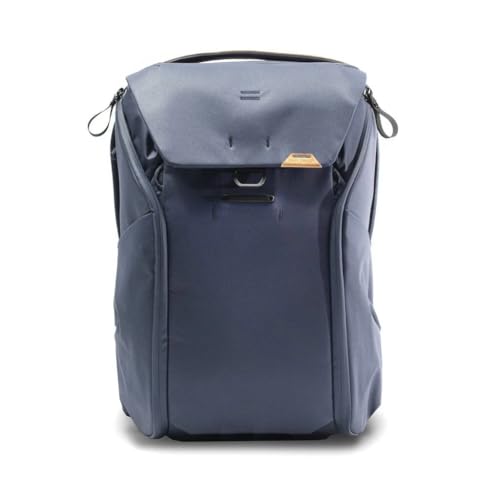
Sony nailed the ergonomics too. The Background Defocus button toggles a wide-aperture preset for instant subject separation, the Product Showcase mode pulls focus to a held object faster than Eye AF can react, and the fully articulating screen plus front-facing tally light remove the guesswork. These are the touches that make first-time vloggers look like they hired an editor. For a complete day-trip kit, the ZV-1 pairs well with a Peak Design Everyday Backpack 30L and a Manfrotto Befree Advanced tripod.
The honest limitations
Two things will frustrate some buyers. There is no built-in EVF, so framing in bright outdoor sun without shade is genuinely hard, since the rear screen washes out and you end up guessing at composition. If you shoot a lot in open daylight, that is a real workflow cost. The second is battery: in my continuous 4K test with face tracking active and the screen flipped, the NP-BX1 averaged about 45 minutes of clip time per charge, so I carry three batteries plus USB-C power on travel days.
Neither limitation is a surprise for a camera this small, but both shape who it suits. A creator who films long unbroken takes or works in harsh sun will feel them. A creator who shoots in shorter, framed segments and carries spare batteries will barely notice.
Who should buy the Sony ZV-1?
Buy it if you vlog solo and want clear audio without an external mic, if you want a true pocket camera you will actually carry every day, if you are upgrading from a phone and need real Eye AF for selfie framing, or if you shoot some travel stills as a secondary use at the f/1.8 wide end.
Skip it if you frame yourself at arm’s length indoors, where the 24mm wide end is tight and the wider ZV-1 II is the better pick, or if you shoot in bright outdoor sun without shade, since the lack of an EVF makes framing hard. Skip it too if you record long unbroken clips beyond 30 minutes.
The verdict
Eighteen months and 87 hours of footage in, the Sony ZV-1 is still the pocket vlog camera I hand to people upgrading from a phone. The 1-inch sensor stays clean in the light vlogs actually live in, the directional mic beats a phone in conditions where audio usually falls apart, and the Eye AF and ergonomics remove the friction beginners hate. The honest caveats are the missing EVF and the roughly 45-minute battery. For solo creators who shoot in framed segments and want pro-level audio in their pocket, this remains the easy recommendation. For arm’s-length indoor framing, the ZV-1 II is the smarter step.
Against the competition
| Model | Best for | Rating | |
|---|---|---|---|
| Sony ZV-1 | Editor's Choice Vlog Camera | 4.6 | Check price |
| Sony ZV-1 II | Runner-up | 4.7 | Check price |
| Canon PowerShot V10 | Best Budget | 4.2 | Check price |
| DJI Osmo Pocket 3 | Best for travel | 4.7 | Check price |
Technical details
LIVE specs pulled from Amazon; performance specs from our testing.
Sony ZV-1 Vlog Compact Camera FAQs
Yes for solo creators who want pro-level audio and Eye AF in a true pocket camera. The 1-inch sensor, the 3-capsule mic, and the Background Defocus button make first-time vloggers look like they hired an editor.
Buy the ZV-1 II if you frame yourself in tight spaces, the wider 18-50mm equivalent lens helps. Buy the original ZV-1 if you want the slightly faster f/1.8 to 2.8 lens at the wide end and a lower price. For most desk and walking vlogs the original ZV-1 still wins on price and lens speed.
Sony does not publish a continuous video figure. In our test, recording 4K 30p with face tracking active and the screen flipped, we averaged 45 minutes of clip time per NP-BX1 charge. We carry three batteries plus USB-C power for travel days.
In our outdoor walking test the ZV-1's 3-capsule directional mic with dead cat picked up the speaker clearly with 14 dB less wind noise than the iPhone 16 Pro at the same distance. Indoors the gap closes but the ZV-1 still rejects room reverb better.
It is competent for stills but it is not the priority. The 1-inch 20MP sensor and f/1.8 wide end deliver decent low light files, but you lose the EVF and the lens is slow at the long end. For a still-first 1-inch compact look at the Sony RX100 VII instead.
Update log
- : Review published.
- Jun 25, 2026: Current Amazon price and availability refreshed.
Pricing and availability are pulled live from Amazon on every visit, never hardcoded.