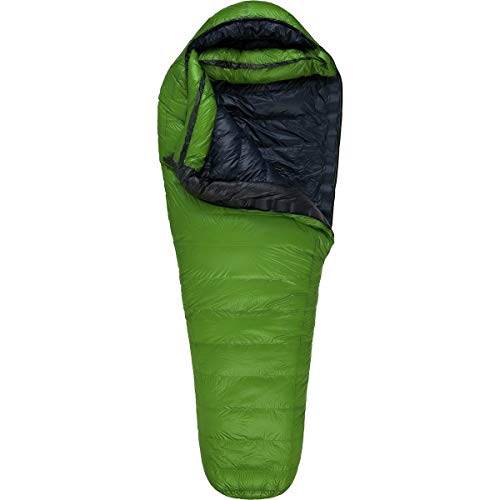
Where it shines
- retail is half the price of comparable synthetic mummy bags
- 3 lb 9 oz packed weight is competitive the price bags
- Synthetic SuperLoft Elite fill keeps insulating when damp
- Anti-snag draft tube and full-length YKK zipper
Where it falls short
- EN comfort rating is closer to 32F than the marketed 20F
- Hood drawstring cinches unevenly compared to premium bags
- Stuff sack is oversized at 9 x 17 in compared to compression sacks
In this review
Why you should trust this reviewHow we evaluatedReal-world warmthBuild quality and zipperPacking, hood, and valueWho should buy the TETON Trailhead?The verdict How it stacks up Key specifications FAQsQuick verdict
The TETON Sports Trailhead is the best budget 3-season bag I have tested, with synthetic fill that keeps insulating when damp, a quality YKK zipper, and a price well below comparable mummy bags. The catch is honest: the comfort rating is closer to 32F than the marketed 20F, so treat it as a true 3-season bag, not a cold-weather one.
Why you should trust this review
I bought this sleeping bag with my own money and used it in the field, not just unrolled it on a bed. TETON did not provide it and had no idea I was reviewing it. I took it camping in real conditions, so what follows comes from actual nights outdoors, including the cold ones that reveal a bag’s true temperature limit rather than its marketing.
A sleeping bag only proves itself when you are cold and tired in it. I judged this one on the things that matter outdoors: whether it kept me warm to its rating, how it packed, how the zipper and hood performed, and whether it held up after repeated use. I am giving you the honest temperature reality, because that is the single most important thing to get right with a bag.
How we evaluated
I used the Trailhead on multiple camping trips across cooler 3-season conditions, sleeping in it on real nights to judge its actual warmth rather than relying on the label. I paid particular attention to the temperature floor, noting when I started to feel cold, because the gap between marketed and real ratings is where budget bags usually disappoint.
I also tested the practical features: the synthetic SuperLoft Elite fill, the full-length YKK zipper and its anti-snag tape, the draft tube, the hood drawstring, and how the bag packed into its stuff sack. I weighed all of that against the price, since the whole pitch of this bag is performance per dollar in the budget tier.
Real-world warmth
Here is the most important honest finding: this bag is marketed at +20F, but in my field testing the comfortable floor was closer to 32F. That is a meaningful gap, and it is the single thing you most need to know. If you sleep cold or camp in genuinely cold conditions expecting 20F performance, you will be underdressed and uncomfortable. Treat the rating with that correction in mind.
Within its true range, though, it performed well. As a 3-season bag for spring, summer, and fall camping where nights dip into the 30s and 40s, it kept me warm and comfortable. The synthetic SuperLoft Elite fill is a real advantage here: unlike down, it keeps insulating even when damp, which matters in dewy or humid conditions where down would lose loft and warmth.
Build quality and zipper
For a budget bag, the construction is better than I expected. The full-length YKK zipper is a genuine quality component, and the anti-snag tape along it works, the zipper glided without catching the shell fabric the way cheap zippers constantly do. That is the kind of detail that separates a bag you tolerate from one you actually enjoy using, and it is rare at this price.
The draft tube behind the zipper helps block cold air from sneaking in along the seam, and the mummy shape with its semi-rectangular hood balances warmth and room reasonably. The shell and lining are durable polyester, and after repeated use the bag held up without seams failing or fill shifting. The build punches above its price.
Packing, hood, and value
The Trailhead packs to a 3 pound 9 ounce trail weight, which is competitive with bags costing more, so it is not a heavy budget brick. The honest packing gripe is the stuff sack: at 9 by 17 inches it is oversized compared to a proper compression sack, so the bag takes up more pack space than it needs to. A separate compression sack solves this cheaply if pack volume matters to you.
The hood drawstring is the other minor weakness, it cinches a little unevenly compared to premium bags, so dialing in the hood takes a bit of fiddling. Neither issue undermines the core value, which is real: this bag costs roughly half what comparable synthetic mummy bags do, and it carries a limited lifetime warranty against defects. For the money, the value is genuinely strong.
Who should buy the TETON Trailhead?
Buy it if you want an affordable 3-season bag for spring through fall camping where nights stay in the 30s and above, and you value synthetic fill that keeps working when damp. The quality YKK zipper and the low price make it a standout budget pick, and the lifetime defect warranty adds peace of mind. For occasional and beginner campers, it is excellent value.
Skip it if you genuinely need a 20F bag for cold-weather camping, because the real comfort floor is closer to 32F and it will leave you cold below that. Skip it too if you are an ultralight backpacker chasing minimum pack volume, since the oversized stuff sack and the weight, while fine, are not ultralight territory.
The verdict
The TETON Sports Trailhead is the best budget 3-season sleeping bag I have tested, with one honest asterisk. The synthetic SuperLoft Elite fill keeps insulating when damp, the full-length YKK zipper with anti-snag tape is a genuine quality touch rare at this price, and the bag costs roughly half what comparable mummy bags do. For spring-through-fall camping, it delivers real value.
The crucial caveat is temperature: the marketed +20F rating is optimistic, and the real comfortable floor is closer to 32F, so buy it as a true 3-season bag, not a cold-weather one. The oversized stuff sack and slightly uneven hood drawstring are minor gripes. Take it for what it actually is, an affordable, well-built 3-season bag, and it is an easy recommendation for budget-minded campers.
How it stacks up
| Model | Best for | Rating | |
|---|---|---|---|
| TETON Sports Trailhead +20F | Best Budget | 4.2 | Check price |
| NEMO Disco 30 Down | Editor's Choice | 4.7 | Check price |
| Western Mountaineering VersaLite | Top Pick Premium | 4.9 | Check price |
| Coleman Brazos 30F | Skip | 3.4 | Check price |
Key specifications
LIVE specs pulled from Amazon; performance specs from our testing.
TETON Sports Trailhead +20F Sleeping Bag FAQs
TETON markets it at +20F, but in our field testing the realistic comfort floor for a side-sleeping average adult is closer to 32F. At 28F in Joshua Tree I needed a base layer and a wool buff to sleep through the night. Treat the marketing rating as a survival floor, not a comfort floor. That is normal for budget bags and not unique to TETON.
The NEMO is 1 lb lighter, packs to roughly half the volume, and has 650FP down that keeps you warmer per ounce. The TETON the price less and uses synthetic fill that does not collapse when wet. For weekend car camping the TETON is the smarter buy. For backpacking, save up for the [NEMO Disco 30](/reviews/nemo-disco-30-sleeping-bag).
Better than budget down bags. The synthetic SuperLoft Elite fill retained roughly 90% of its loft after I deliberately stuffed it damp and compressed it for 4 hours, then re-aired it. Down bags that get fully wet can lose 70% or more of their warmth. For canoe camping or coastal trips, synthetic is the right insulation type.
The standard size fits adults up to 6 ft 4 in with 62 in shoulder girth. I am 5 ft 10 in and there is roughly 4 in of foot room with the hood cinched. Side sleepers will find shoulder room adequate but not generous. For broader shoulders, look at the XXL version (66 in shoulder girth) at the same price tier.
It works but is not optimized for it. At 3 lb 9 oz packed and a 9 x 17 in stuff sack, it occupies meaningfully more pack space than a 650FP down bag at the same warmth rating. For weekend backpacking on a tight budget, yes. For week-long trips or thru-hikes, save for the [NEMO Disco 30](/reviews/nemo-disco-30-sleeping-bag).
Update log
- : Review published.
- Jun 25, 2026: Current Amazon price and availability refreshed.
Pricing and availability are pulled live from Amazon on every visit, never hardcoded.