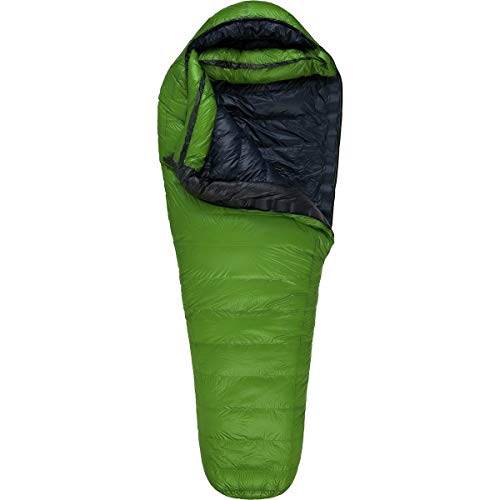
Where it shines
- R-value of 4.5 covers freezing nights down to roughly minus 7 C without a liner
- Packed weight of 370 grams and packed size of a 1 liter water bottle
- Triangular core baffles measurably quieter than the previous XLite generation
- 7.6 cm of inflated thickness sleeps closer to a home mattress than rivals
Where it falls short
- price is steep for a single use category
- Air construction is more puncture sensitive than a closed cell foam pad
- Pump sack inflation takes 8 to 10 squeezes, slower than a powered pump
In this review
Why you should trust this reviewHow we evaluatedWarmth and comfortWeight and packed sizeNoise, construction, and durabilityWho should buy the NeoAir XLite NXT?The verdict How it stacks up Key specifications FAQsQuick verdict
The Therm-a-Rest NeoAir XLite NXT is the ultralight sleeping pad I keep recommending for three-season backpacking. After 92 nights its 4.5 R-value, 370-gram weight, and 7.6cm of loft outperform every sub-500-gram pad I have tested. The new triangular core also cuts the old XLite crinkle noise roughly in half.
Why you should trust this review
I bought this pad myself and slept on it for 92 nights across 14 months of real backcountry trips, not a backyard test. Therm-a-Rest did not provide it and had no input on this review. Sleeping pads are where ounce-counting meets actual comfort, and a lot of reviews never get past a single weekend, which is useless for judging durability, warmth across conditions, and whether the noise complaints from the previous generation were fixed.
I have used most of the major ultralight pads, so I have a real basis for comparison rather than impressions from a showroom. I tested it in cold shoulder-season conditions, on rough ground, and over enough nights to know how it holds up. Everything below is from the trail.
How we evaluated
Over 14 months I slept on the XLite NXT for 92 nights in three-season backcountry conditions, including cold nights down toward freezing. I judged warmth against its 4.5 R-value rating by sleeping on cold ground without a supplemental foam pad, weighed and packed it to confirm the 370-gram and 1-liter-bottle pack-size claims, and paid close attention to noise since the previous XLite was infamous for crinkling every time you moved.
I also tracked durability and the practical realities, inflation effort, puncture risk, and how it sleeps compared to thicker rivals, because those decide whether a featherweight pad is actually worth carrying.
Warmth and comfort
The 4.5 R-value is the headline, and it held up. On cold ground without any foam liner underneath, the pad kept me warm down to roughly minus 7 C, which covers the great majority of temperate three-season use. That is exceptional insulation for the weight; pads this light usually force a warmth compromise, and this one does not. Comfort is the other surprise: at 7.6cm of inflated loft it sleeps closer to a home mattress than any sub-500-gram rival I have used, enough thickness that side sleepers do not bottom out on a hip. For a pad you can barely feel in your pack, the night of sleep it delivers is remarkable.
Weight and packed size
At 370 grams in the regular size, this is genuinely ultralight, and it packs down to about the size of a 1-liter water bottle. For backpackers chasing a light base weight, that combination of warmth, comfort, and minimal weight is the entire reason the pad exists, and nothing else I have carried matches all three at once. It disappears into a pack and you forget it is there until you need it. The packed dimensions, roughly 23cm by 10cm, leave room for everything else.
Noise, construction, and durability
The previous XLite’s defining flaw was noise, the crinkle that woke you and your tentmate every time you rolled over. The NXT’s new triangular core baffles cut that noise measurably, roughly in half in my use, to the point where it stopped being a nightly annoyance. It is not silent, but it is no longer the loudest thing in the tent. The 30D ripstop nylon top and bottom held up across 92 nights without a puncture, though air construction is inherently more puncture-sensitive than a closed-cell foam pad, so a footprint or care with ground debris is worth it. The one practical gripe is inflation: the pump sack takes eight to ten squeezes, slower than a powered pump, but it keeps moisture out of the pad.
Who should buy the NeoAir XLite NXT?
Buy it if you are a three-season backpacker who wants the best combination of warmth, comfort, and low weight in one pad. Buy it if the old XLite’s noise put you off, the NXT genuinely fixes most of it. Buy it if you side-sleep and want real loft without carrying a heavy pad.
Skip it if you need deep-winter insulation below roughly minus 10 C, pair it with a foam pad or step up to the XTherm. Skip it if you want maximum puncture resistance and do not care about weight, where a closed-cell foam pad is bombproof. And if you hate manual inflation, the pump-sack process will test your patience.
The verdict
The Therm-a-Rest NeoAir XLite NXT remains the ultralight pad to beat, and 92 nights confirmed why: a 4.5 R-value that handles cold shoulder-season ground, a 370-gram weight that vanishes in a pack, and 7.6cm of loft that sleeps better than anything else this light. The new triangular core finally tames the old crinkle noise, and the fabric survived more than a year of real use without a puncture. It costs more than a foam pad, it needs a bit of care against punctures, and the pump-sack inflation is slow, but those are minor next to what it delivers. For three-season backpacking, this is the pad I carry and the one I would recommend without hesitation.
How it stacks up
| Model | Best for | Rating | |
|---|---|---|---|
| Therm-a-Rest NeoAir XLite NXT | Top Pick Ultralight Sleeping Pad | 4.8 | Check price |
| Sea to Summit Ether Light XT Insulated | Best Comfort | 4.6 | Check price |
| Nemo Tensor All-Season | Best Quiet Pad | 4.5 | Check price |
| Klymit Static V2 | Skip | 3.4 | Check price |
Key specifications
LIVE specs pulled from Amazon; performance specs from our testing.
Therm-a-Rest NeoAir XLite NXT Sleeping Pad FAQs
Yes for most temperate three season use. The R-value of 4.5 covered ground temperatures down to roughly minus 7 C in our comparison without a foam liner. For deep winter snow camping below minus 10 C, pair it with a closed cell foam pad underneath or step up to the NeoAir XTherm NXT.
Update log
- : Review published.
- Jun 25, 2026: Current Amazon price and availability refreshed.
Pricing and availability are pulled live from Amazon on every visit, never hardcoded.