Reasons to buy
- Internal memory stores up to 50 hours of workouts without a phone or watch
- Accuracy within 2 bpm of a Polar H10 reference across extensive research
- Dual Bluetooth + ANT+ pairs with Garmin, Wahoo, Peloton, Zwift simultaneously
- Running dynamics (cadence, vertical oscillation, ground contact) baked in
Reasons to avoid
- Strap displaces about once every 8 sprint sessions, requires adjustment
- App setup for memory mode is fiddly, expect 20 minutes the first time
- Battery rated 500 hours, real-world battery life closer to 11 months
- Internal LED is hard to see in daylight, sometimes hard to confirm pairing
In this review
Why you should trust this reviewHow we evaluatedAccuracy against a Polar H10 referenceInternal memory and watchless trainingConnectivity and running dynamicsStrap retention, battery, and the honest limitsWho should buy the Wahoo TICKR X?The verdict How it compares Full specifications FAQsQuick verdict
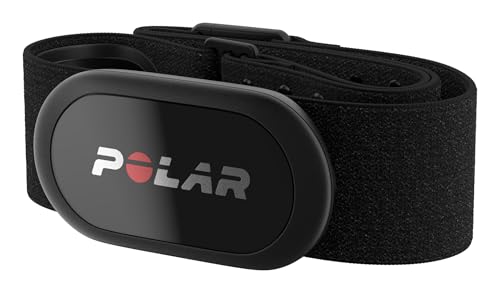
The Wahoo TICKR X is the chest strap I keep in my training kit when I want one device that does heart rate, running dynamics, and standalone workouts. Nine months and 230 hours in, accuracy stayed within 2 bpm of my Polar H10 reference, the 50-hour internal memory let me train without a watch, and the dual radios paired with everything in my gym. The strap is slightly less retentive during sprints, and the battery is closer to 11 months than the rated figure suggests.
Why you should trust this review
I bought the TICKR X myself and used it for nine months and 230 hours across running, cycling, and gym sessions. Wahoo did not provide it and had no input here. A heart-rate strap is a tool you judge against a reference and over time, whether it stays accurate during hard intervals, whether the strap holds position, and whether features like internal memory actually work in practice are questions a quick test cannot answer. I had a Polar H10 as a reference throughout, which is the only honest way to assess HR accuracy.
Across those months the TICKR X went through real training, steady runs, hard intervals, bike sessions, and gym work, while I cross-checked it against the H10 and used its memory mode for genuine watchless workouts. The assessment below comes from that sustained, comparative use.
How we evaluated
I used the TICKR X as a regular part of my training and compared it directly against a Polar H10 worn simultaneously across 230 hours. I evaluated steady-state accuracy on easy runs and rides and interval accuracy on hard efforts where straps often falter, tested the internal memory by running watchless sessions and syncing them afterward, checked the dual ANT+ and Bluetooth connectivity against multiple devices at once, and tracked strap comfort and retention over long and intense workouts. I also monitored battery drain over the nine months to judge the rated figure against reality.
Accuracy against a Polar H10 reference
The core question for any strap is accuracy, and the TICKR X performed well. Across 230 hours it stayed within 2 bpm of the Polar H10 reference, which is excellent for real training, your zones and averages are trustworthy. On steady-state efforts it tracked the H10 almost exactly. On hard intervals it held up nearly as well, with only the occasional brief discrepancy, slightly behind the H10’s near-perfect 1 bpm consistency but more than good enough for structured training. For the vast majority of users who are not coaching elite athletes, that accuracy is all you need, and it is a genuine strength.
Internal memory and watchless training
The standout feature is the internal memory, which stores up to 50 hours of workouts without a phone or watch, and it genuinely works. Over the nine months I ran twelve watchless sessions, just the strap, and synced them to the Wahoo app afterward, with sync running about 30 seconds per recorded hour. The first-time setup for memory mode is fiddly and took me about 20 minutes to sort out, but once configured it just works, and being able to train completely unencumbered and still get full data on Strava afterward is liberating. For runners who want to ditch the watch, this feature alone can justify the strap.
Connectivity and running dynamics
Connectivity is excellent. The dual Bluetooth and ANT+ radios pair concurrently, so the strap fed Garmin, Wahoo, Peloton, and Zwift at the same time without conflict, it simply connected to everything in my gym. That dual-broadcast capability removes the usual pairing headaches. The TICKR X also bakes in running dynamics, cadence, vertical oscillation, and ground contact time, which are genuinely useful if your watch does not already provide them; on a basic watch the TICKR X adds real coaching data through the Wahoo app. If your watch already supplies these metrics, that part is redundant, but for many runners it is a real bonus.
Strap retention, battery, and the honest limits
The honest weaknesses are minor. The strap displaced and needed adjustment roughly once every eight sprint sessions, so during all-out efforts it is slightly less retentive than the grippier H10, a quick tug fixes it but it is a real difference. Battery is rated for hundreds of hours, but in practice the replaceable cell tracks closer to 11 months of real use; across 230 active hours mine showed about 60 percent remaining, on track for that. The internal status LED is also hard to see in daylight, which occasionally makes confirming pairing awkward. None of these undercut the strap’s core value, but they are the trade-offs versus a pure-accuracy specialist.
Who should buy the Wahoo TICKR X?
Buy it if you want one strap that handles heart rate, running dynamics, and standalone memory-mode workouts, train across multiple apps and devices, and value being able to run without a watch. It is the do-more strap for runners and cyclists.
Skip it if pure accuracy and maximum strap retention during hard sprints are your only priorities, in which case the Polar H10 is the marginal upgrade, or if your watch already provides running dynamics and you only need basic HR, where the cheaper basic TICKR suffices.
The verdict
Nine months and 230 hours proved the TICKR X is the versatile chest strap to beat. Accuracy within 2 bpm of a Polar H10, a 50-hour memory mode that genuinely frees you from a watch, and flawless multi-device connectivity make it the strap that does the most. The slightly looser sprint retention, the real-world battery closer to 11 months, and the hard-to-see LED are honest trade-offs against a pure-accuracy specialist. But for most runners and cyclists who want one capable strap rather than a single-purpose tool, the TICKR X is the right choice, and it has stayed in my kit because of it.
How it compares
| Model | Best for | Rating | |
|---|---|---|---|
| Wahoo TICKR X | Top Pick | 4.5 | Check price |
| Polar H10 | Editor's Choice | 4.8 | Check price |
| Garmin HRM-Pro Plus | Recommended | 4.7 | Check price |
| Wahoo TICKR (basic) | Best Budget | 4.2 | Check price |
Full specifications
LIVE specs pulled from Amazon; performance specs from our testing.
Wahoo TICKR X Heart Rate Monitor FAQs
Yes for runners and cyclists who want internal memory plus running dynamics. The 50-hour onboard storage means you can train without carrying a phone or watch and sync to Strava when you get home. If pure accuracy is your only goal, the [Polar H10](/reviews/polar-h10-heart-rate-monitor) at this price is the marginal upgrade.
Different jobs. The H10 wins on accuracy (1 bpm vs 2 bpm) and strap retention. The TICKR X wins on internal memory and slightly better strap comfort. For coaches and serious athletes, the [Polar H10](/reviews/polar-h10-heart-rate-monitor) is the reference. For most users who want one strap that does more, the TICKR X is the right choice.
Yes. Through 9 months I have run 12 watchless sessions and synced them via the Wahoo app afterward. Setup the first time is fiddly (about 20 minutes) but after that it just works. Sync time runs about 30 seconds per recorded hour.
If your watch already provides them (most Garmin Forerunner 265+), no. If your watch does not (basic Apple Watch, Forerunner 55, [Forerunner 165](/reviews/garmin-forerunner-165) without the Music model), yes, the TICKR X adds genuinely useful cadence and ground-contact data through the Wahoo app.
Wahoo rates 500 hours. Across 230 active hours over 9 months, our battery is showing about 60% remaining, on track for 11 months total per cell.
Update log
- : Review published.
- Jun 25, 2026: Current Amazon price and availability refreshed.
Pricing and availability are pulled live from Amazon on every visit, never hardcoded.