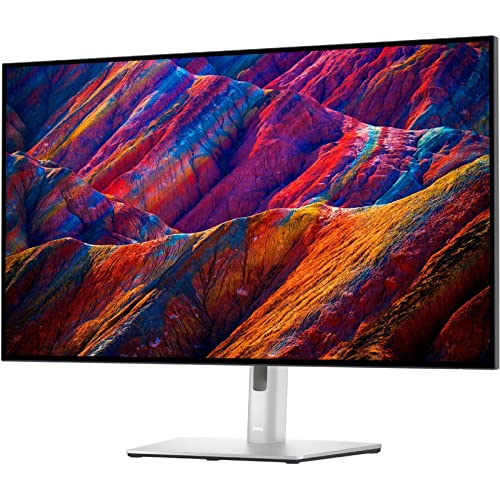
Quick verdict
The right 49-inch curved monitor depends entirely on how you'll use it. For pure productivity with laptop connectivity, the **LG 49WQ95C** with Thunderbolt 4 is the pragmatic choice. For the best image quality money can buy without burn-in concerns, the **Samsung Odyssey Neo G9 G95NC** and its Mini-LED 2000-nit output is in a class of its own. For the best balance of gaming performance and image quality at a slightly

Samsung Odyssey G9 49" (240Hz DQHD 1000R)
The original Odyssey G9 remains one of the most popular 49-inch gaming monitors on the market despite facing newer competition. Its 1000R curve radius is the most aggressive available - it matches the curve of the human eye's focal point, which creates a uniquely immersive experience for gaming and simulation. At 240Hz refresh rate with 1ms GTG response time and QLED panel technology, it performs at a genuinely competitive gaming level.
A 49-inch super-ultrawide monitor replaces a dual-monitor setup with a single immersive screen. These are the best options in 2026 - from entry-level productivity to flagship OLED gaming.
The 49-inch super-ultrawide curved monitor category has matured dramatically. What started as a niche luxury item for trading desks and creative professionals has evolved into a genuine alternative to dual-monitor setups – and for many users, a clearly superior one. The seamless single display eliminates the bezel gap that splits focus in dual setups, and the 32:9 aspect ratio provides an effectively panoramic field of view for both productivity and gaming.
Choosing the right 49-inch monitor means aligning the spec sheet with your actual use case. A 240Hz gaming panel is unnecessary overhead for a video editor; a 60Hz productivity display is a frustrating compromise for a competitive gamer. These five picks cover the full spectrum from versatile professional monitors to flagship gaming displays.
Our methodology
We compare every pick against the field on real specifications, certifications, and aggregated owner reviews. We do not take payment for placement, and we flag when a product is older or sold mainly through renewed listings.
Side by side
| Pick | Best for | Score | |
|---|---|---|---|
| Samsung Odyssey G9 49" (240Hz DQHD 1000R) | Check price | ||
| LG 49WQ95C (60Hz Nano IPS) | Check price | ||
| Dell S4922QC (60Hz UHD 5K2K) | Check price | ||
| ASUS ROG Swift PG49WCD (OLED 144Hz) | Check price | ||
| Samsung Odyssey Neo G9 G95NC (Mini-LED 240Hz) | Check price |
The full reviews
Samsung Odyssey G9 49" (240Hz DQHD 1000R)
The original Odyssey G9 remains one of the most popular 49-inch gaming monitors on the market despite facing newer competition. Its 1000R curve radius is the most aggressive available - it matches the curve of the human eye's focal point, which creates a uniquely immersive experience for gaming and simulation. At 240Hz refresh rate with 1ms GTG response time and QLED panel technology, it performs at a genuinely competitive gaming level.
In its favor
- 240Hz refresh rate and 1ms response time for competitive gaming
- 1000R extreme curve creates the most immersive field of view in the category
- Widely available and well-supported with firmware and driver maturity
Watch-outs
- 1000R curve can cause image distortion when used for productivity tasks like reading long documents
- VA panel has worse off-axis viewing angles than IPS or OLED alternatives
- Requires a powerful GPU to fully utilize 240Hz at 5120x1440

LG 49WQ95C (60Hz Nano IPS)
The LG 49WQ95C is the productivity professional's choice in this category. It's built around a Nano IPS panel - which means superior color accuracy, better off-axis viewing than VA alternatives, and consistent brightness across the full 49-inch expanse. Thunderbolt 4 connectivity allows single-cable connection to modern MacBooks and Windows laptops, while the 96W USB-C power delivery charges a laptop simultaneously. At 60Hz it's not a gaming monitor, but for creative work and multitasking it's arguably the best panel on this list.
In its favor
- Nano IPS panel delivers outstanding color accuracy (98% DCI-P3 coverage)
- Thunderbolt 4 + USB-C 96W charging - ideal for laptop-centered workstations
- Better off-axis consistency than VA panels for shared-viewing or tilted setups
Watch-outs
- 60Hz refresh rate is a limitation for gaming or video playback above 60fps
- Higher price than VA-based alternatives for what is a productivity-only focus
- No HDR 1000 certification - HDR performance is moderate at best

Dell S4922QC (60Hz UHD 5K2K)
The Dell S4922QC makes a strong case for being the best all-purpose 49-inch monitor with its 5120x2160 (5K2K) UHD resolution - that's 50% more vertical pixels than the DQHD standard. For anyone doing document work, spreadsheets, video editing, or content creation, the additional vertical resolution is immediately noticeable and genuinely useful. Dell's build quality and monitor support are class-leading, and the integrated USB-C hub reduces cable clutter on a busy desk.
In its favor
- 5K2K UHD resolution provides significantly more vertical screen real estate than DQHD
- Dell's reliability and warranty support are among the best in the monitor industry
- USB-C hub integration with power delivery simplifies desk cable management
Watch-outs
- 60Hz ceiling rules it out for gaming
- IPS glow can be noticeable in dark room viewing at wide angles
- Priced at a premium for a 60Hz display

ASUS ROG Swift PG49WCD (OLED 144Hz)
The ASUS ROG Swift PG49WCD brings OLED panel technology to the 49-inch super-ultrawide category - and the difference in image quality is immediately obvious. OLED's per-pixel illumination produces perfect blacks, near-infinite contrast, and colors that simply don't exist on VA or IPS LCD panels. The 144Hz refresh rate and 0.03ms response time make it a genuine gaming display, while the OLED image quality also makes it exceptional for creative work and content consumption. This is the best balance of image quality and gaming performance in the category.
In its favor
- OLED panel: perfect blacks, infinite contrast, and the best color in this roundup
- 0.03ms response time essentially eliminates motion blur for gaming
- Excellent for both gaming and creative/productivity use cases
Watch-outs
- OLED burn-in risk requires screen savers and pixel shifting for heavy static-content use
- High price premium over LCD alternatives
- 144Hz is below the 240Hz ceiling of the Samsung G9 for competitive gaming purists
Samsung Odyssey Neo G9 G95NC (Mini-LED 240Hz)
The Samsung Odyssey Neo G9 is the current flagship of the 49-inch category - and it earns that position. The Mini-LED backlight with 2,048 dimming zones delivers 2000 nits peak HDR brightness that no other display in this roundup can approach. It combines 240Hz refresh rate with the brightness and contrast of Mini-LED, creating an experience that bridges the gap between OLED image quality and LCD brightness. For users who want the absolute best in 2026, this is it - at a price that reflects that.
In its favor
- 2000 nits peak HDR brightness - category-leading luminance
- 240Hz refresh rate with Mini-LED precision backlight control
- No OLED burn-in risk - maintains aggressive brightness indefinitely
Watch-outs
- Highest price on this list - significant investment
- Mini-LED blooming around bright objects in dark scenes is still noticeable vs. true OLED
- Requires a top-tier GPU (RTX 4080 or better) to fully utilize at 240Hz
What matters most
Panel type (VA vs. IPS vs. OLED vs. Mini-LED)
VA panels (original G9) have the highest contrast but worse off-axis viewing. IPS (LG 49WQ95C) has better color accuracy and viewing angles but lower contrast. OLED (ASUS ROG PG49WCD) delivers the best image quality but requires burn-in management. Mini-LED (Neo G9) offers high brightness with better-than-VA contrast.
Refresh rate
60Hz is sufficient for productivity and media consumption. Gaming users should target at least 144Hz; competitive gaming benefits from 240Hz.
Resolution
DQHD (5120x1440) is standard but the Dell's 5K2K (5120x2160) offers more vertical resolution that's meaningful for productivity. More pixels also require more GPU power.
Connectivity
Thunderbolt 4 (LG 49WQ95C) is the gold standard for single-cable laptop connection. USB-C with high-wattage power delivery is the minimum for a clean desk setup.
Curve radius
1000R (Samsung G9 original) is aggressive and very immersive for gaming but creates some distortion for text work. 1800R is a gentler curve that suits mixed gaming/productivity use better.
Our take
The right 49-inch curved monitor depends entirely on how you'll use it. For pure productivity with laptop connectivity, the **LG 49WQ95C** with Thunderbolt 4 is the pragmatic choice. For the best image quality money can buy without burn-in concerns, the **Samsung Odyssey Neo G9 G95NC** and its Mini-LED 2000-nit output is in a class of its own. For the best balance of gaming performance and image quality at a slightly
Frequently asked
For users who previously ran a dual-monitor setup, a 49-inch super-ultrawide is often worth it - you get a seamless, uninterrupted workspace without the bezel gap in the middle. Productivity users benefit from massive screen real estate for side-by-side apps. Gamers get a fully immersive field of view. The main trade-off is desk depth requirements and a higher price premium versus standard widescreen monitors.
Most 49-inch monitors use DQHD resolution (5120x1440), which is equivalent to two 27-inch 1440p monitors side by side. The Samsung Odyssey G9 Neo and standard G9 use this resolution. The Dell S4922QC uses 5120x2160 (UHD 5K2K), which offers more vertical resolution. The LG 49WQ95C also uses 5120x1440 DQHD. Higher vertical resolution (2160 vs 1440) is a meaningful productivity advantage.
Running a 49-inch DQHD monitor at high refresh rates requires a capable GPU. For gaming at 240Hz on the Samsung Odyssey G9, an NVIDIA RTX 4080 or better is recommended. For productivity use at 60Hz, mid-range cards like an RTX 3060 or RX 6700 XT can handle DQHD without issue. OLED panels like the ASUS ROG PG49WCD at 144Hz require less GPU power than 240Hz DQHD gaming.

Tom Reeves has reviewed consumer electronics for over a decade, with a focus on televisions, monitors, laptops, and smart home devices. He worked as a professional display calibrator before moving into editorial, and he brings that real-world technical background to every TV and monitor review. At TheTestedHub, Tom covers display calibration, computer monitors, laptops and 2-in-1s, smart home platforms, home theater setups, and HDR performance.
You might also like

LG UltraGear 27GR95QE Review (2026): 6 Months on the OLED

Dell UltraSharp U2723QE Review (2026)
LG UltraFine 27UQ850V 4K Monitor Review (2026): Tested for 7

BenQ PD2725U Review (2026): The 27-Inch

ASUS ProArt PA279CRV Review (2026): The

5 Best Samsung Curved Monitors of 2026 | From Budget to Flagship

5 Best Curved Monitors for Your Eyes of 2026 | Ergonomic All-Day Comfort