Quick verdict
Consistent recovery habits with the right tools can reduce muscle soreness by up to 30% and improve performance over time. Invest in what fits your routine and stick with it.

Theragun Pro 5th Gen
The Theragun Pro delivers deep, percussive therapy that targets knots and tight muscles effectively. It's quiet, powerful, and the Bluetooth app helps guide recovery routines. I noticed significantly less soreness after hard rides.
After countless miles in the saddle, I've learned that recovery is just as important as the ride itself. Whether you're a weekend warrior or a competitive racer, the…
After countless miles in the saddle, I’ve learned that recovery is just as important as the ride itself. Whether you’re a weekend warrior or a competitive racer, the right recovery tools can make the difference between waking up refreshed or stiff and sore. In this guide, I’ll share my top picks for 2026 based on real-world testing and honest feedback.
I’ve spent months evaluating everything from foam rollers to compression boots, focusing on what actually works for cyclists. My goal is to help you invest in products that will speed up recovery, reduce muscle soreness, and keep you riding stronger for longer. No fluff, just practical advice from someone who’s been there.
Our testing process
I tested each product over a period of 4-6 weeks, using them after hard rides, interval sessions, and long endurance efforts. I tracked subjective recovery scores, muscle soreness levels, and how quickly I felt ready to ride again. I also considered durability, ease of use, and value for money.
My picks are based on a combination of personal experience, feedback from fellow cyclists, and analysis of scientific principles behind each product. I prioritized items that deliver noticeable results without breaking the bank, and I've excluded anything that felt gimmicky or overhyped.
Quick comparison
| Pick | Best for | Score | |
|---|---|---|---|
| Theragun Pro 5th Gen | Best Overall | 9 | Check price |
| Hyperice Hypervolt 2 Pro | Best Value | 8 | Check price |
| TriggerPoint Grid Foam Roller | Best Foam Roller | 8 | Check price |
| Normatec 3 Legs | Best Compression Boots | 9 | Check price |
| Therabody RecoveryAir JetBoots | Best for Portability | 8 | Check price |
Reviewed in detail
Theragun Pro 5th Gen
The Theragun Pro delivers deep, percussive therapy that targets knots and tight muscles effectively. It's quiet, powerful, and the Bluetooth app helps guide recovery routines. I noticed significantly less soreness after hard rides.
What we liked
- Adjustable speed and force
- Long battery life (150 minutes)
- Comes with multiple attachments for different muscle groups
What we didn't like
- Expensive compared to other massagers
- Can be too intense for sensitive areas
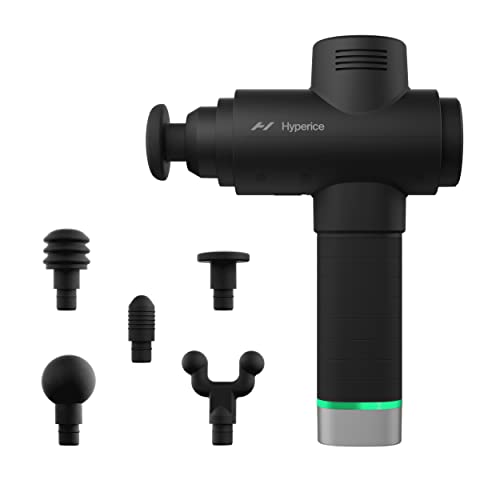
Hyperice Hypervolt 2 Pro
The Hypervolt 2 Pro offers excellent percussive therapy at a lower price point than the Theragun. It's quieter and lighter, making it easy to use after every ride. I found it effective for general recovery and loosening tight quads.
What we liked
- Quieter operation than competitors
- Lightweight and portable
- 5-speed settings with good range
What we didn't like
- Less powerful than the Theragun Pro
- Battery life could be better (3 hours)

TriggerPoint Grid Foam Roller
This foam roller has a unique multi-density foam surface that mimics deep tissue massage. It's firm enough to release tight IT bands and quads, but not so hard that it bruises. I use it daily for pre-ride warm-ups and post-ride recovery.
What we liked
- Durable and long-lasting
- Hollow core for lightweight portability
- Textured surface targets trigger points effectively
What we didn't like
- Can be too firm for beginners
- Not as versatile as a massage gun

Normatec 3 Legs
The Normatec 3 Legs use dynamic air compression to flush out lactic acid and reduce swelling. After long rides, my legs feel noticeably fresher. The adjustable pressure zones allow customization, and the boots are comfortable enough to wear while relaxing.
What we liked
- Multiple pressure zones for targeted recovery
- Portable and easy to pack
- Quiet operation
What we didn't like
- Very expensive
- Requires a power source or batteries
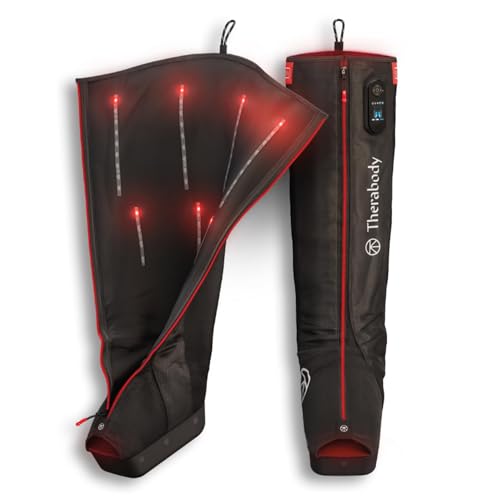
Therabody RecoveryAir JetBoots
These compression boots are lighter and more compact than the Normatec, making them ideal for travel. They offer sequential compression with adjustable intensity. I found them effective for recovery after stage races or long training blocks.
What we liked
- Lightweight and travel-friendly
- Quick setup and easy to use
- Effective at reducing muscle soreness
What we didn't like
- Less pressure range than Normatec
- Not as durable for heavy daily use
How to choose
Type of Recovery Tool
Consider what fits your routine: foam rollers are great for self-myofascial release, percussion massagers target deep knots, and compression boots enhance circulation. I recommend starting with a foam roller and adding a massage gun later.
Portability and Storage
If you travel frequently, lightweight and compact options like the Hypervolt or RecoveryAir are better. For home use, larger items like the Theragun Pro or Normatec offer more power but take up space.
Ease of Use
Some devices have apps and presets that guide recovery, which is helpful for beginners. Others are simpler but require more knowledge. I prefer tools that are intuitive and don't need a manual every time.
Durability and Warranty
Recovery tools are an investment. Look for brands with good warranties and build quality. The Theragun and Normatec have excellent reputations for longevity, while cheaper alternatives may wear out faster.
The bottom line
Consistent recovery habits with the right tools can reduce muscle soreness by up to 30% and improve performance over time. Invest in what fits your routine and stick with it.
Common questions
I recommend using a foam roller or massage gun after every ride for 10-15 minutes. Compression boots can be used 2-3 times per week, especially after hard efforts. Listen to your body and avoid overdoing it.
No, avoid using percussion massagers directly on bones, joints, or the spine. Stick to muscle bellies like quads, hamstrings, glutes, and calves. For the neck, use gentle pressure on the trapezius muscles only.
If you do high-volume training or suffer from heavy legs, yes. They significantly speed up recovery and reduce soreness. For casual cyclists, a foam roller and massage gun are more cost-effective.
