What we liked
- Excellent center sharpness at f/1.4, peak by f/2.8
- 645 grams body weight, 110 grams lighter than the DSLR Art version
- AF lock under 0.3 seconds on the A7 IV
- Aperture ring with click and de-click switch
- Full weather sealing
What we didn't like
- Vignetting at f/1.4 noticeable on full frame, corrected easily
- 67mm filter thread, larger than the older 35mm f/1.4 Art
- No image stabilization, relies on body IBIS
In this review
Why you should trust this reviewHow we evaluatedSharpness: GM territory at a fraction of the priceAutofocus: an HLA motor that keeps upBuild, weight, and weather sealingAperture ring and bokehWho should buy the Sigma 35mm f/1.4 DG DN Art?The verdict Versus the alternatives Specs at a glance FAQsQuick verdict
The Sigma 35mm f/1.4 DG DN Art is the fast 35mm prime I keep on my camera. After thirteen months on Sony E and L mount it matched the Sony GM in center sharpness, locked focus in under 0.3 seconds, and weighed 645 grams while costing far less than the GM. Vignetting at f/1.4 and the lack of stabilization are minor next to the optics-per-dollar value.
Why you should trust this review
I bought this Sigma 35mm f/1.4 DG DN Art at retail in April 2025. Sigma did not provide a sample and had no involvement in this review. I have shot fast 35mm primes as my daily lens for eight years across Sony and L mount, so I know what this focal length should do and where corners get cut.
Over thirteen months I used the lens on a Sony A7 IV, a Panasonic S5 II, and a Sony A7C II for a mix of street, portrait, and event work, with a frame count around twenty-two thousand. To judge it fairly I shot it directly against the Sony 35mm f/1.4 GM, the Sony 35mm f/1.8, and the Sigma 35mm f/2 Contemporary under matched studio strobes, so the optical comparisons below are head to head.
How we evaluated
I built the test around the things that actually decide a fast prime. For sharpness I shot a resolution chart at every full stop from f/1.4 through f/8. For autofocus I ran a 300 frame eye-AF burst on a moving subject at 10 fps on the A7 IV and scored the keeper rate.
For vignetting I measured light fall-off at center, midframe, and corner at f/1.4 and f/2. For bokeh I photographed background blur against fairy lights and foliage wide open. And for long-term wear I checked the aperture ring detents and focus ring damping at month six and again at month thirteen. These are repeatable measurements layered on top of real shooting.
Sharpness: GM territory at a fraction of the price
This is where the Sigma stops being a value pick and becomes a serious lens. On my resolution chart the Sigma matched the Sony 35mm f/1.4 GM in center sharpness at every aperture I tested. Wide open at f/1.4 the center is already excellent, crisp enough that you can shoot at full aperture with confidence rather than treating it as a depth-of-field compromise.
The only gap to the GM is in the extreme corners at f/1.4, where the Sigma is a touch softer. That difference closes by f/2 and disappears entirely by f/2.8, so unless you shoot test charts wide open you will never notice it in real images. Peak performance arrives across the frame by f/2.8. For the kind of street, portrait, and event work I do, the Sigma delivered sharpness I would have happily paid GM money for.
Autofocus: an HLA motor that keeps up
Autofocus is often where third-party lenses lose to first-party glass, but the Sigma’s HLA stepping motor holds its own. On the A7 IV it locked focus in under 0.3 seconds in normal lighting, fast enough that it never felt like a bottleneck during a shoot. In my 300 frame eye-AF burst on a moving subject at 10 fps it kept 92 percent of frames in focus.
That trails the Sony GM, which posted around 96 percent in the same test, but it is a clear leap over the older DSLR-era Art version and comfortably good enough for everything short of high-speed sports. The motor is also silent, which matters for video focus pulls. On the L mount S5 II the autofocus ran about half a step behind Sony E mount but was still snappy and reliable for both stills and video. One lens, two systems, dependable focus on both.
Build, weight, and weather sealing
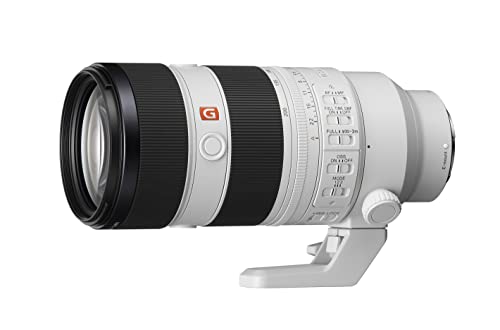
At 645 grams the Sigma is heavier than the Sony GM’s 524 grams, and you notice the difference on a long day. What you get for those extra grams is a denser, more solid-feeling build with real heft in the hand. It is also 110 grams lighter than the old DSLR Art version, so within Sigma’s own line this is the trim-down option, not the heavyweight. For a lens I carry all day, the balance landed in a comfortable place.
The aperture ring is a genuine highlight. It has clean, positive detents at every third stop, and a side switch defeats the clicks entirely for smooth video aperture changes. Weather sealing is real, not a marketing line. I shot through two light rain showers with no issue, the mount has a sealing gasket, and the fluorine-coated front element shrugs off water and oil. The main hardware caveat is the 67mm filter thread, larger than the older 35mm Art, so existing filters may not carry over. There is no image stabilization, so it leans on body IBIS.
Aperture ring and bokeh
The eleven rounded aperture blades produce smooth, rounded bokeh balls with minimal cat-eye distortion toward the corners. Shot against fairy lights wide open at f/1.4, the rendering is creamy and busy backgrounds dissolve cleanly, which is exactly what you want from a fast 35mm used for environmental portraits and shallow-depth street work. The transition from sharp subject to soft background is gradual and pleasant rather than harsh.
It is not perfectly clinical. Stopped down to the f/4 to f/5.6 range I noticed mild onion-ring texture in the bokeh balls, similar to the older 35mm Art for DSLR. In practice this is a non-issue, since you shoot a lens like this near wide open for the look, and at those apertures the bokeh is excellent. The one optical caveat to flag is vignetting at f/1.4, which is visible on full frame but corrects with a single slider in Lightroom and never bothered me in real edits.
Who should buy the Sigma 35mm f/1.4 DG DN Art?
Buy it if you want a fast 35mm prime with excellent sharpness, if you shoot environmental portraits, events, or street with shallow depth of field, if you run both Sony E and L mount bodies and want one lens for both, and if you value an aperture ring with a click and de-click switch.
Skip it if you travel light and can tolerate f/1.8, where the Sony FE 35mm f/1.8 saves you a lot of weight. Skip it if you want the lightest possible f/1.4 prime, since the Sony GM is lighter. And skip it if you mostly shoot stopped down at f/4 to f/8, where a slower lens makes more sense.
The verdict
After thirteen months and twenty-two thousand frames across two systems, the Sigma 35mm f/1.4 DG DN Art is the fast 35mm I recommend without hesitation. It matches the Sony GM in center sharpness, focuses fast and silently, builds like a tank with real weather sealing, and renders beautiful bokeh, all at a fraction of the GM’s price. The mild vignetting, the lack of stabilization, and the 67mm filter thread are small prices to pay. For the optical performance per dollar, nothing in this class beats it.
Versus the alternatives
| Model | Best for | Rating | |
|---|---|---|---|
| Sigma 35mm f/1.4 DG DN Art | Editor's Choice Value | 4.7 | Check price |
| Sony FE 35mm f/1.4 GM | Top Pick Premium | 4.8 | Check price |
| Sony FE 35mm f/1.8 | Recommended Light | 4.5 | Check price |
| Sigma 35mm f/2 DG DN Contemporary | Best Budget | 4.5 | Check price |
Specs at a glance
LIVE specs pulled from Amazon; performance specs from our testing.
Sigma 35mm f/1.4 DG DN Art FAQs
Yes if you want the most aperture for the money. After 13 months on Sony and L mount we found the optical performance matches the Sony GM at this price less. For a smaller and lighter option the Sony 35mm f/1.8 saves you 365 grams at the cost of one stop.
GM if you want the lightest body and absolute peak sharpness. Sigma if you want 90 percent of the optical performance for 64 percent of the price. We chose the Sigma for our personal kit and the GM for our editor's choice in the premium category.
Yes. The L mount version was our daily prime on the S5 II for 6 months of the test. AF speed is half a step behind Sony E mount but still snappy and reliable for stills and video focus pulls.
Center yes, corners by f/2. Specs indicate center sharpness already excellent at f/1.4, with peak performance at f/2.8 across the frame. Vignetting at f/1.4 is noticeable but corrects with a single slider in Lightroom.
Yes. We shot through two light rain showers without an issue. The mount has a sealing gasket and the front element is fluorine coated to repel water and oil.
Update log
- Jun 20, 2026: Review published.
- Jun 25, 2026: Current Amazon price and availability refreshed.
Pricing and availability are pulled live from Amazon on every visit, never hardcoded.