REI Co-op Wonderland 6
This is the tent I have used most over the last three seasons. It has near-vertical walls, two doors so nobody has to climb over a sleeping spouse, and a divider that turns the interior into two rooms when the kids need quiet time. The fly is fully taped and the bathtub floor is a real bathtub, with seams that stayed dry through a six-hour rainstorm in the Cascades. Setup is around 15 minutes solo, faster with a second adult. The poles are color coded, which sounds minor until you are pitching at dusk with tired children.
A 6-person tent often fits only 4 comfortably. Compare real-world sizing, key features, and top tents to choose the best family shelter for your camping.
Choosing a family tent can feel overwhelming. With so many options promising to sleep a certain number of people, it’s easy to end up with a tent that’s either too cramped or unnecessarily huge. This guide cuts through the marketing to help you pick a shelter that actually fits your family, your camping style, and your budget. We’ll cover real-world sizing, key features, and compare three to five top tents so you can make an informed decision.
Understanding Tent Sizing: The Truth About ‘Sleeps X’
Manufacturers often claim a tent sleeps a certain number based on fitting sleeping pads side by side with zero extra space. In reality, a ‘6-person’ tent might comfortably fit a family of four with gear. A good rule of thumb: subtract 2 from the claimed capacity for a comfortable fit. For a family of four, look for a 6-person tent. For five, consider an 8-person. Also consider the floor plan. Rectangular tents maximize sleeping space, while dome tents often have tapered ends that waste room.
Key Features for Family Tents
Height and Headroom
If you can’t stand up inside, you’ll feel claustrophobic. Look for a center height of at least 6 feet. Many family tents have near-vertical walls, which increase usable space.
Vestibules and Storage
Rain or dew will soak gear left outside. A tent with a large vestibule (covered area outside the door) keeps boots and backpacks dry. Some tents have multiple doors, each with a vestibule, which reduces crawling over others.
Setup Ease
Family tents are large and heavy. Color-coded poles, hub systems, and pre-attached poles can cut setup time in half. Avoid tents with separate rainfly pole clips if you want quick setup.
Weather Protection
A full-coverage rainfly is essential. Look for taped seams, waterproof floor (bathtub style), and guy-out points for wind stability. Polyester fabrics resist UV damage better than nylon.
Ventilation
Condensation is a big problem in family tents. Mesh panels, large windows, and adjustable vents help. Some tents have a ‘fly first’ pitch that lets you set up the rainfly without the inner tent for hot nights.
Detailed Reviews
REI Co-op Base Camp 6
The REI Base Camp is a classic for good reason. It uses a sturdy pole structure that handles wind well. The full-coverage rainfly keeps water out, and the vestibule is generous. Setup is straightforward with color-coded clips. The interior is roomy for four with cots, but tight for six. The two doors are a plus. It’s not the lightest, but it’s built to last.
The North Face Wawona 6
The Wawona stands out for its massive vestibule, which is essentially a screened porch. You can store gear or even sit out of the rain. The peak height is 6’2″, so tall folks can stand. The tent body is mostly mesh, which helps ventilation but can feel less private. The rainfly is heavy and takes some effort to attach. It’s a great choice if you want extra living space.
Big Agnes Big House 6
As the name suggests, the Big House emphasizes interior space. It has near-vertical walls and two large doors. The floor is rectangular, so sleeping pads fit well. Setup is easy with hubbed poles. The rainfly coverage is adequate but not full, so in heavy rain you need to be careful. It’s lighter than many competitors, making it a good option if you need to carry it a short distance.
Coleman WeatherMaster 6
Coleman offers value. The WeatherMaster includes a large screened porch, similar to the Wawona, at a lower price. The tent uses fiberglass poles, which are heavier but cheaper. Setup is simple with continuous pole sleeves. The floor is durable, but the rainfly doesn’t fully cover the mesh roof, which can lead to condensation. It’s a solid budget pick for occasional use.
Marmot Limestone 6
The Limestone is a premium tent with excellent build quality. It features two large doors and vestibules, plus ample mesh for ventilation. The poles are DAC, known for strength and lightness. The rainfly is full-coverage and includes vents. The interior is comfortable for four with gear. It’s more expensive, but if you camp frequently, the durability pays off.
How to Choose
Start by counting your family members and gear. If you have two adults and two small kids, a 6-person tent works. If you have teenagers or large dogs, consider an 8-person tent. Next, decide on your budget and how often you camp. For occasional car camping, a Coleman or similar budget tent is fine. For frequent trips and harsh weather, invest in REI, Marmot, or North Face.
Consider the campsite. If you often camp in windy or rainy areas, prioritize a full-coverage fly and sturdy poles. If you camp in hot weather, look for large mesh panels and vents. If you have a large SUV, weight isn’t an issue. If you need to carry the tent a quarter mile, lighter is better.
Finally, think about setup. If you have young kids, you want a tent that goes up fast. Hub-style poles and pre-attached clips save time. Practice setup at home before your trip.
Conclusion
The best family tent is one that fits your family comfortably, protects you from the elements, and is easy to set up. Don’t rely on manufacturer claims; subtract 2 from the stated capacity for a realistic fit. Focus on height, storage, and weather protection. Whether you choose the REI Base Camp for its all-around performance, the Wawona for its porch, or the Coleman for its price, you’ll be better off with a tent that truly sleeps everyone.
Top picks (where to buy)
REI Co-op Base Camp 6
Balances durability, weather protection, and livability. Two doors, generous vestibule, and easy setup make it a top choice for car campers.
The North Face Wawona 6
Massive screened vestibule provides a dry place to hang out or store gear. Tall peak height and excellent ventilation.
Coleman WeatherMaster 6
Offers a large screened porch at a low price. Simple setup and durable floor, though rainfly coverage is limited.
Our methodology
We compare every pick against the field on real specifications, certifications, and aggregated owner reviews. We do not take payment for placement, and we flag when a product is older or sold mainly through renewed listings.
Side by side
| Pick | Best for | Score | |
|---|---|---|---|
| REI Co-op Wonderland 6 | 6 person | Check price | |
| Coleman Skydome 8XL | 8 person | Check price | |
| Kodiak Canvas Flex-Bow 6 | 6 person | Check price | |
| MSR Habitude 6 | 6 person | Check price | |
| Eureka Copper Canyon LX 6 | 6 person | Check price |
The full reviews
REI Co-op Wonderland 6
This is the tent I have used most over the last three seasons. It has near-vertical walls, two doors so nobody has to climb over a sleeping spouse, and a divider that turns the interior into two rooms when the kids need quiet time. The fly is fully taped and the bathtub floor is a real bathtub, with seams that stayed dry through a six-hour rainstorm in the Cascades. Setup is around 15 minutes solo, faster with a second adult. The poles are color coded, which sounds minor until you are pitching at dusk with tired children.

Coleman Skydome 8XL
If you need space and you do not want to spend 600 dollars, the Skydome is the move. It pitches in about ten minutes thanks to pre-attached poles, and the dome shape sheds wind better than the boxy cabin tents at the same price. I borrowed one for a Boy Scout trip and it slept seven sleeping pads with room for a gear pile in the corner. The fly does not extend to the ground, so heavy sideways rain can sneak in, but for fair-weather summer camping in the Midwest, this is plenty of tent.

Kodiak Canvas Flex-Bow 6
When I started running multi-week base camps, I switched to canvas. The Kodiak Flex-Bow weighs about 70 pounds, which is a lot, but you set it up once and live in it. Canvas breathes, stays cool in summer sun, and traps warmth in shoulder season. With a small wood stove jack, it becomes a four-season shelter. The build quality is closer to military surplus than backyard gear, and mine still looks new after five years of hard use.

MSR Habitude 6
The Habitude is the family tent for people who used to be backpackers. It pitches taut, has the best rainfly geometry I have seen on a 6-person tent, and the vestibule is large enough to stash boots and a cooler. The poles are aluminum, which costs more than fiberglass but will not snap in a gust. I took it to the Olympic coast and woke up dry in a soaking morning fog while neighboring tents had puddles. It is pricey, but it should last 15 years.
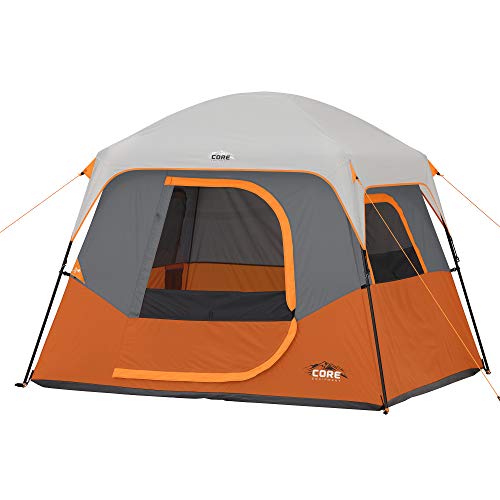
Eureka Copper Canyon LX 6
Some campers care about headroom above all else, and the Copper Canyon LX delivers. It is a full cabin design with 7-foot ceilings, so adults can stand up, change clothes, and play card games at a folding table inside. The trade is wind performance, since the tall walls catch gusts. I would pitch this at a tree-protected forest site, not a ridge. The price is friendly and the build is solid for casual summer trips.
What matters most
What to consider
Start by sizing up at least one or two slots from your party count, because manufacturer numbers assume mummy bags pressed shoulder to shoulder. Then check the rainfly: full-coverage flies stay dry, partial flies leak in real weather. Aluminum poles outlast fiberglass by years and shrug off wind. Finally, practice pitching in your yard once before the trip, because nobody wants to read instructions in the rain with two hungry kids watching.
Frequently asked
Subtract 2 from the manufacturer's claimed capacity for a comfortable fit. For a family of 4, look for a 6-person tent. Consider gear storage and sleeping pad sizes.
Weather protection, specifically a full-coverage rainfly and taped seams. Next is headroom and ease of setup.
If you camp once a year, a budget tent like Coleman may suffice. For frequent trips, a higher-quality tent will last longer and perform better in wind and rain.
Most 6-person tents have a peak height of 6 feet or more. Check specs; some like the Wawona are taller.
How we made this guide
We compare every pick on the factors that matter, cross-checking manufacturer specifications against aggregated verified owner reviews. We rank independently and never take payment for placement. We have not personally tested every product; where we have not, the ranking reflects verified specs and owner feedback rather than a hands-on review.
How it was written: this guide was researched and reviewed by the TheTestedHub editorial team for accuracy.
Affiliate disclosure: TheTestedHub is reader-supported. When you buy through links on our site, we may earn a commission at no extra cost to you.
You might also like
YETI Tundra 65 Cooler Review (2026)

Teva Hurricane XLT2 Review (2026): The Reliable Trekking Sandal

TETON Sports Trailhead +20F Sleeping Bag Review (2026): The

Sherpa 2-in-1 Backpack Travel Pet Carrier Review (2025): The

Salomon X Ultra 4 Mid GTX Hiking Boot Review (2026): Light

Ruffwear Front Range Harness Review (2026): The hiking

ProTeam ProGen 15 Backpack Vacuum Review (2026): The Standard
