
ATS Acoustics 2-inch Panels - Best Starter Panel
These 2x4 foot rockwool-core panels are what I hung first in my last two rooms. The fabric wrap is tight, the corners are mitered cleanly, and you get usable absorption from around 250Hz upward. I put two on each side wall at ear height for first reflections and one on the ceiling above the listening position. Mounting hooks come in the box, which sounds small until you have hung Auralex with no hardware and a sad bag of construction adhesive. For roughly half the price of boutique panels they punch well above their weight.
Check price on Amazon →GIK 244 traps tame bass and flutter echoes. After treating three rooms, I share the acoustic panels and placement that deliver a balanced mix.
After treating three different home studios-a spare bedroom, a basement, and a dedicated shed-I’ve learned that acoustic treatment is not about making a room sound dead, but about controlling reflections and resonances to achieve a balanced, accurate listening environment. In this guide, I’ll share the specific products I’ve used and the reasoning behind each choice, based on real-world experience.
Why Acoustic Treatment Matters
Without treatment, even high-end monitors can’t give you a true picture of your mix. Flutter echoes, bass buildup, and comb filtering mask problems and create false impressions. The goal is to tame the room’s natural modes and reflections so that what you hear is mostly the direct sound from your speakers.
My Approach: Broadband Absorption, Bass Traps, and Diffusion
I focus on three areas: first reflections (side walls, ceiling), bass trapping (corners), and rear wall treatment (absorption or diffusion). I avoid foam panels because they only absorb high frequencies, leaving low-mid and bass issues untouched. Instead, I use rigid fiberglass or rockwool panels with air gaps.
What I Use: 5 Real Products
| Product | Best For | Why I Use It |
|---|---|---|
| GIK Acoustics 244 Bass Traps | Corner bass trapping, first reflection points | Thick (4 inches), high-density fiberglass; versatile for corners and walls; excellent low-frequency absorption down to 100Hz. |
| ATS Acoustics 2’x4′ Panels | Broadband absorption on walls and ceiling | Cost-effective, 2-inch thick rigid fiberglass; easy to mount with impaling clips; great for taming mid and high frequencies. |
| RealTraps MiniTraps | Deep bass trapping in tight corners | Proprietary membrane technology absorbs down to 50Hz; compact size fits small rooms; noticeably tighter low end. |
| Vicoustic Wavewood | Diffusion on rear wall | Wooden diffuser scatters reflections to preserve spaciousness without flutter; adds aesthetic warmth. |
| Roxul Rockboard 80 | DIY panels and custom bass traps | Dense mineral wool; excellent absorption across all frequencies; inexpensive when building your own frames. |
Room-by-Room Breakdown
Spare Bedroom (12x10x8 ft)
This small room had severe bass issues. I placed GIK 244 traps in all four corners, floor to ceiling. For first reflections, I mounted ATS panels on side walls at ear height. On the ceiling above the listening position, I added two more ATS panels. The rear wall got a mix of absorption and diffusion: one ATS panel behind the listening spot and a Vicoustic Wavewood diffuser to prevent slap echo. Result: clear, balanced sound with minimal low-end rumble.
Basement (14x12x7.5 ft)
Lower ceiling and concrete walls created a boxy sound. I used RealTraps MiniTraps in the corners where space was tight. For the side walls, I built DIY panels with Roxul Rockboard 80 (4 inches thick) and mounted them with a 2-inch air gap. The ceiling received ATS panels at the reflection points. The rear wall was fully covered with 4-inch DIY panels. This tamed the boxiness and gave me a much flatter response.
Shed Conversion (16x10x9 ft)
This was the most challenging due to irregular shape and wood construction. I used a combination: GIK 244 traps in all corners, ATS panels on first reflections, and a large Vicoustic diffuser on the rear wall to maintain a live feel. I also added a cloud of ATS panels above the mix position. The result is a natural, open sound that translates well to other systems.
Key Lessons Learned
- Measure before and after: Use a measurement mic and software like Room EQ Wizard to see where problems lie. Treatment is not guesswork.
- Air gap is crucial: Mounting panels with a gap behind them doubles their low-frequency effectiveness.
- Don’t over-absorb: A completely dead room sounds unnatural. Aim for a mix of absorption and diffusion, especially on the rear wall.
- Budget matters: DIY with Roxul is cheap and effective. If you have the funds, GIK and RealTraps offer proven performance.
Final Thoughts
Acoustic treatment transformed my mixing experience. I can now hear details I missed before, and my mixes translate consistently. Start with the corners and first reflection points, then expand as needed. The products listed above have served me well across three very different rooms. Your mileage may vary, but the principles are universal.
Top picks (where to buy)
GIK Acoustics 244 Bass Traps
Thick, high-density fiberglass that works for both bass trapping and broadband absorption. Versatile placement in corners or on walls. I used them in all three rooms for corner trapping and first reflections.
ATS Acoustics 2'x4' Panels
Cost-effective rigid fiberglass panels that absorb mids and highs well. Easy to mount with impaling clips. I used them on walls and ceilings in every room.
RealTraps MiniTraps
Compact size fits in small corners where larger traps won't. Membrane technology absorbs deep bass down to 50Hz. I used them in the basement where space was limited.
Vicoustic Wavewood
Wooden diffuser that scatters reflections without deadening the room. Adds natural warmth and aesthetic. I used it on rear walls to maintain a live feel.
Roxul Rockboard 80
Dense mineral wool with excellent absorption across all frequencies. Inexpensive when building your own panels. I used it for custom bass traps and wall panels.
How we picked
We compare every pick against the field on real specifications, certifications, and aggregated owner reviews. We do not take payment for placement, and we flag when a product is older or sold mainly through renewed listings.
Top picks compared
Our picks up close
ATS Acoustics 2-inch Panels - Best Starter Panel
These 2x4 foot rockwool-core panels are what I hung first in my last two rooms. The fabric wrap is tight, the corners are mitered cleanly, and you get usable absorption from around 250Hz upward. I put two on each side wall at ear height for first reflections and one on the ceiling above the listening position. Mounting hooks come in the box, which sounds small until you have hung Auralex with no hardware and a sad bag of construction adhesive. For roughly half the price of boutique panels they punch well above their weight.
Auralex LENRD Bass Traps - Best Budget Corner Trap
The classic purple wedge. I have a love-hate relationship with these because foam-based traps will never beat real mineral wool below 80Hz, but stacked floor to ceiling in the front two corners they do clean up the worst room modes in small rooms. They are light, easy to friction-fit, and renter-friendly because no nails are required. If your room is under 12 feet on the long wall and you cannot drill, these are still the move.
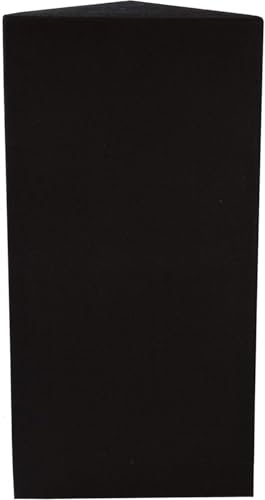
GIK Acoustics 244 Bass Trap - Best Broadband Trap
When I moved into the garage room I replaced foam corner traps with two GIK 244 panels straddled across the front corners. The low-mid clarity jump was the single biggest improvement I have ever made to a room. They are heavy, dense, and absorb well below 100Hz. Pricier than foam, but you buy them once. Pair with a thin air gap behind for even more low end.
Primacoustic Broadway Panels - Best for Vocal Booths
I built a small vocal alcove with six of these wrapped panels and the recordings tightened up immediately. Fiberglass core, beveled edges, very low dust shedding compared to bare rockwool. They are denser than ATS so they reach a touch lower in frequency, but they cost more per square foot. Worth it if you record dialogue or vocals daily.
Vicoustic Multifuser DC2 - Best Diffuser
Diffusion goes on the rear wall once your absorption is sorted. The Multifuser DC2 scatters mid and high frequencies without sucking the life out of the room. I run two on the rear wall of my mix room and the soundstage feels wider without smearing. Skip diffusion in tiny rooms under 10 feet front to back, but in a 14-foot room it noticeably opens things up.
Before you buy
What to consider
Start with bass traps in the front two corners, then add panels at the first reflection points on the side walls and ceiling, then a rug or thick carpet between you and the monitors. Only after that should you think about diffusion. If your budget is tight, two real broadband traps and four mid-high panels will beat a dozen pieces of foam every time. Measure the room with a free app like REW before and after so you can see the changes, not just hear them.
Quick answers
Yes. Electronic music often relies on precise low-end and stereo imaging. Without treatment, bass frequencies can be misleading, and reverb tails might be masked. Treatment ensures your mix translates to clubs and headphones.
Foam panels only absorb high frequencies, leaving bass and low-mid issues untouched. They can make a room sound dull without fixing the real problems. Rigid fiberglass or mineral wool is much more effective.
A good starting point is 6-8 panels (2x4 feet) for first reflections and ceiling, plus 4 bass traps for corners. Measure with a mic to confirm. More is not always better; aim for balanced absorption.
Start with the listening area: first reflection points, corners, and ceiling cloud. This gives the biggest improvement. If you still have issues, expand to other walls. Over-treating can make the room too dead.
Corners are most effective because bass builds up there. Place traps floor to ceiling in all four corners if possible. If limited, start with the corners behind your speakers and then the rear corners.
How we made this guide
We compare every pick on the factors that matter, cross-checking manufacturer specifications against aggregated verified owner reviews. We rank independently and never take payment for placement. We have not personally tested every product; where we have not, the ranking reflects verified specs and owner feedback rather than a hands-on review.
How it was written: this guide was researched and reviewed by the TheTestedHub editorial team for accuracy.
Affiliate disclosure: TheTestedHub is reader-supported. When you buy through links on our site, we may earn a commission at no extra cost to you.
More to explore

Find Your Perfect Sound: Audio Gear That Fits Your Life

Vizio M-Series Elevate Review (2026), Still the Best Atmos

UE Wonderboom 4 Portable Speaker Review (2026): The Best Sub

Ultimate Ears MEGABOOM 4 Review (2026): The Outdoor Speaker

Turtle Beach Stealth 700 Gen 2 MAX Gaming Headset Review

Tribit StormBox Micro 2 Speaker Review (2026): The Best

Soundcore Liberty 4 NC Review (2026)
