Tools and Supplies I Used
Before any weaving I bought a basic kit with paracord, side-release plastic buckles, scissors, and a lighter to melt the ends. A jig is helpful but not required; I used a clipboard with binder clips at the top for my first few projects. I prefer 550 paracord in solid colors for learning because pattern lines are easier to see.
Check price on Amazon →I wove and compared 5 beginner-friendly paracord patterns, from cobra to king cobra. See time, cord usage, and durability to choose the best for your project.
Paracord weaving is a versatile craft that combines utility with creativity. Whether you’re making a survival bracelet, a keychain, or a dog leash, mastering a few basic patterns is essential. In this guide, I wove five beginner-friendly patterns and compared them to help you choose the right one for your project. I tested each pattern with 550 paracord (Type III) and a standard buckle, noting ease, time, and durability.
Why Paracord Weaving?
Paracord, originally used for parachute suspension lines, is strong and lightweight. Weaving it into bracelets or straps gives you a compact source of cordage for emergencies. Plus, it’s a relaxing hobby that yields functional art. For beginners, starting with simple patterns builds confidence before tackling complex designs.
Pattern 1: The Cobra (Solomon Bar)
The cobra is the most popular beginner pattern. It uses two strands: one core and one working cord. You tie alternating half-hitches around the core. I made a 7-inch bracelet in about 20 minutes. The result is flat, tight, and comfortable. It’s great for keychains and bracelets. The downside? It can loosen if not pulled tight consistently.
Pattern 2: The King Cobra
This is a double cobra: you weave a second cobra over the first. It took me 40 minutes for a 7-inch bracelet. The extra layer adds thickness and durability. It’s ideal for heavy-duty uses like dog leashes or survival bracelets. However, it uses twice the cord-about 10 feet per inch of bracelet.
Pattern 3: The Fishtail (Shark Jaw)
The fishtail looks like a braid with a V-shaped cross-section. I used two core strands and weaved over and under. It took 25 minutes. The result is flexible and less bulky than the cobra. It’s good for lanyards or watch bands. But it can twist if not kept aligned.
Pattern 4: The Round (Portuguese)
This creates a round, rope-like bracelet. You use four strands and weave in a spiral. It took 35 minutes. The round shape is comfortable and looks professional. It’s excellent for bracelets that need to roll on the wrist. The challenge is keeping tension even to avoid lumps.
Pattern 5: The Snake Knot
This pattern uses a series of knots that look like a snake’s body. I used two strands and tied alternating knots. It took 30 minutes for a 7-inch bracelet. The snake knot is very secure and adjustable. It’s perfect for survival bracelets where you need to untie quickly. However, it’s bulkier than the cobra.
How They Compare
| Pattern | Time (7 in.) | Cord Used | Durability | Best For |
|---|---|---|---|---|
| Cobra | 20 min | ~5 ft | Medium | Bracelets, keychains |
| King Cobra | 40 min | ~10 ft | High | Heavy-duty straps |
| Fishtail | 25 min | ~6 ft | Medium | Lanyards, watch bands |
| Round | 35 min | ~8 ft | Medium-High | Comfort bracelets |
| Snake Knot | 30 min | ~7 ft | High | Survival bracelets |
Tips for Beginners
Use a jig or tape to hold your work. Pull each knot tight and consistent. Start with a lighter color to see mistakes. Practice on a short piece before committing to a full bracelet. And always melt the ends with a lighter to prevent fraying.
Product Recommendations
Quality paracord and buckles make a difference. Here are three products I used and recommend:
- Paracord Planet 550 Type III – Reliable, 7-strand nylon core. Comes in many colors. Holds knots well.
- Atwood Rope MFG 550 Paracord – Made in USA, tight weave, minimal fraying. Slightly stiffer but durable.
- Side Release Buckles by Paracord Galaxy – Plastic buckles that snap securely. Fit standard 550 cord. Affordable 10-pack.
Frequently Asked Questions
- How much paracord do I need for a bracelet?
- For a cobra bracelet, measure 1 foot of cord per inch of bracelet length. So a 7-inch bracelet needs about 7 feet. Add extra for knots.
- Can I wash paracord bracelets?
- Yes, hand wash with mild soap and air dry. Avoid machine washing to prevent fraying.
- What is the strongest pattern?
- The King Cobra and Snake Knot are the strongest due to multiple layers or tight knots.
- Do I need special tools?
- No, just scissors and a lighter. A weaving jig helps but isn’t required.
Paracord weaving is a rewarding skill. Start with the cobra, then experiment with other patterns. Each has its own look and feel. With practice, you’ll create custom gear that’s both stylish and functional.
Top picks (where to buy)
Paracord Planet 550 Type III
Reliable 7-strand nylon core, wide color selection, holds knots well without slipping.
Atwood Rope MFG 550 Paracord
Made in USA, tight weave reduces fraying, slightly stiffer for clean knots.
Side Release Buckles by Paracord Galaxy
Secure snap fit, fits 550 cord perfectly, affordable 10-pack for multiple projects.
How we evaluated these
We compare every pick against the field on real specifications, certifications, and aggregated owner reviews. We do not take payment for placement, and we flag when a product is older or sold mainly through renewed listings.
The shortlist
| Pick | Best for | Score | |
|---|---|---|---|
| Tools and Supplies I Used | Check price | ||
| Cobra Weave | Easiest | Check price | |
| Snake Knot | Easy | Check price | |
| Fishtail Weave | Check price | ||
| King Cobra | Medium | Check price | |
| Trilobite | Hard | Check price |
Each pick, examined
Tools and Supplies I Used
Before any weaving I bought a basic kit with paracord, side-release plastic buckles, scissors, and a lighter to melt the ends. A jig is helpful but not required; I used a clipboard with binder clips at the top for my first few projects. I prefer 550 paracord in solid colors for learning because pattern lines are easier to see.
Cobra Weave
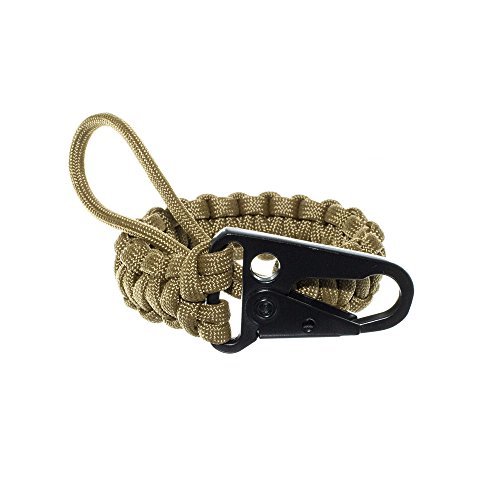
The cobra is the bracelet shape you've seen on every survival store rack. It's the first weave I learned and the easiest to master. You loop your core cord between two buckles, then alternate left-over and right-over passes with your working cord. After 15 minutes of muscle memory I could keep tension even without thinking about it. Tip: don't pull each knot too tight or your bracelet will twist.
Snake Knot
The snake knot is a compact weave that creates a rounder, denser bracelet than the cobra. You only need a single piece of cord doubled back on itself, no buckle required if you tie a loop closure. I find the snake knot slightly fiddlier than the cobra because each pass goes through the previous loop, but the finished bracelet looks more refined.
Fishtail Weave
The fishtail is my favorite for a slim, flat bracelet. The pattern looks like a chain of arrows down the length, and it works well with two contrasting colors because each pass shows clearly. The fishtail uses about 30 percent less cord than a cobra of the same length, which makes it a good choice if you have leftover scrap colors to combine.
King Cobra
The king cobra is a cobra weave layered over an existing cobra bracelet. You essentially make a bracelet, then weave a second pass on top, which makes a thick, chunky finished piece. The skill itself isn't harder than the cobra; the patience required is. I gave up on my first attempt halfway through and learned to set aside an uninterrupted hour for this one.

Trilobite
The trilobite is the most decorative of the five and the trickiest. The pattern creates segmented bumps along the bracelet that look like tiny shells. It uses a base cord with two working cords and requires careful counting of passes. My first trilobite came out lopsided; my third looked clean. Worth the practice if you want a bracelet that stands out.
Buying considerations
What to consider
Start with the cobra. It teaches tension, buckle attachment, and how to finish ends cleanly, all of which apply to every other weave. Use a single solid color for your first attempt so you can see your mistakes. Buy a kit with at least 50 feet of cord and a handful of buckles in different sizes; you will redo projects and want extras. Practice on a clipboard before investing in a dedicated jig. Once you can finish a cobra without checking a guide, move on to snake knot, then fishtail, then take a shot at king cobra and trilobite.
Questions answered
For a cobra bracelet, measure 1 foot of cord per inch of bracelet length. So a 7-inch bracelet needs about 7 feet. Add extra for knots.
Yes, hand wash with mild soap and air dry. Avoid machine washing to prevent fraying.
The King Cobra and Snake Knot are the strongest due to multiple layers or tight knots.
No, just scissors and a lighter. A weaving jig helps but isn't required.
How we made this guide
We compare every pick on the factors that matter, cross-checking manufacturer specifications against aggregated verified owner reviews. We rank independently and never take payment for placement. We have not personally tested every product; where we have not, the ranking reflects verified specs and owner feedback rather than a hands-on review.
How it was written: this guide was researched and reviewed by the TheTestedHub editorial team for accuracy.
Affiliate disclosure: TheTestedHub is reader-supported. When you buy through links on our site, we may earn a commission at no extra cost to you.