Nikwax Footwear Cleaning Gel - Best Boot Cleaner
Safe on Gore-Tex, leather, nubuck and suede. I scrub with a soft brush in lukewarm water and the gel lifts dried mud without stripping the DWR. [Check price on Amazon](https://www.amazon.com/s?k=Nikwax+Footwear+Cleaning+Gel&tag=thetestedhub-20).
Check price on Amazon →Suitable for anyone wanting to extend boot life, this guide covers cleaning, conditioning, and re-waterproofing to keep your boots dry and durable.
Waterproof boots are an investment, but without proper care, even the best pair can succumb to cracks, leaks, and premature wear. This guide covers everything you need to know to extend the life of your waterproof boots, from cleaning and conditioning to re-waterproofing and storage. We’ll compare real products and answer common questions so you can keep your boots performing season after season.
Why Waterproof Boots Need Special Care
Waterproof boots rely on a membrane (like Gore-Tex) or a durable water repellent (DWR) coating to keep moisture out. Over time, dirt, oils, and wear degrade these treatments. Leather boots also need conditioning to prevent drying and cracking. Neglecting care leads to leaks, odor, and material failure. Regular maintenance not only preserves waterproofing but also extends the life of the boot by years.
Step-by-Step Waterproof Boot Care Routine
1. Clean Your Boots After Every Wear
Dirt and salt residue break down waterproof coatings. Use a soft brush or damp cloth to remove loose dirt. For deeper cleaning, use a dedicated boot cleaner like Nikwax Footwear Cleaning Gel. Avoid harsh soaps that strip oils. For leather boots, use a pH-balanced cleaner. Let boots air dry away from direct heat.
2. Condition Leather Boots
Leather needs moisturizing to stay supple. Apply a conditioner like Bickmore Bick 4 Leather Conditioner or Saphir Renovateur. For waterproof leather, use a product that won’t clog pores. Avoid petroleum-based products that can damage membranes. Apply sparingly and buff off excess.
3. Re-Waterproof Regularly
Waterproofing treatments wear off with use. Reapply a DWR spray or wax based on your boot material. For fabric/Gore-Tex boots, use a spray like Nikwax TX.Direct Spray-On. For leather, use a wax like Sno-Seal or Otter Wax. Apply to clean, damp boots for even absorption. Heat-set with a hairdryer (low heat) to activate the treatment.
4. Dry Properly
Never place wet boots on a radiator or in direct sunlight. Stuff with newspaper or use a boot dryer (like DryGuy) on low heat. Remove insoles and laces to speed drying. For leather, occasional use of cedar shoe trees helps maintain shape and absorb moisture.
5. Store Correctly
Keep boots in a cool, dry place. Use boot shapers or stuff with tissue to maintain shape. Avoid plastic bags; use breathable fabric bags. For long-term storage, condition leather beforehand.
Product Comparison: Waterproofing Treatments
Choosing the right product depends on your boot material. Here’s a comparison of three popular options.
| Product | Best For | Application | Durability | Key Feature |
|---|---|---|---|---|
| Nikwax TX.Direct Spray-On | Fabric, Gore-Tex, synthetic boots | Spray on damp boots, no heat needed | Moderate (2-3 wears) | Water-based, eco-friendly |
| Sno-Seal Original Beeswax | Full-grain leather boots | Warm boot, apply wax, heat set | High (several weeks) | Natural beeswax, heavy-duty |
| Otter Wax Boot Wax | Leather and fabric blends | Rub on dry boot, heat set | High (up to a month) | All-natural, flexible finish |
For most users, Nikwax is ideal for modern hiking boots, while Sno-Seal works best for work boots. Otter Wax offers a middle ground with natural ingredients.
Common Mistakes to Avoid
Using silicone-based products on Gore-Tex can clog the membrane. Over-conditioning leather makes it soft and prone to damage. Drying boots with heat causes cracking. Skipping cleaning before re-waterproofing reduces effectiveness. Avoid these pitfalls to maximize boot life.
When to Replace Your Waterproof Boots
Even with care, boots eventually wear out. Signs include: persistent leaks after re-waterproofing, delaminated soles, cracked leather, or worn tread that compromises grip. Typically, quality boots last 3-5 years with regular maintenance.
Frequently Asked Questions
Q: Can I use mink oil on waterproof boots?
A: Mink oil can soften leather but may break down waterproof membranes. Use conditioners specifically for waterproof boots.
Q: How often should I re-waterproof?
A: Depends on use. For weekly hiking, every 2-3 months. For occasional wear, twice a season. Test by sprinkling water; if it beads, it’s still effective.
Q: Can I put boots in the washing machine?
A: Not recommended. Machine washing can damage membranes and glue. Hand wash only.
Q: Do I need to treat the inside?
A: No. Focus on the exterior. For odor, use a boot deodorizer or baking soda.
Q: Are spray-on waterproofers better than wax?
A: Sprays are easier for fabric; waxes offer longer protection for leather. Choose based on material.
Top picks (where to buy)
Nikwax TX.Direct Spray-On
Water-based, safe for membranes, and easy to apply. Ideal for modern hiking boots.
Sno-Seal Original Beeswax
Heavy-duty protection that lasts weeks. Natural beeswax conditions and seals.
Otter Wax Boot Wax
All-natural, flexible finish that works on mixed materials without stiffness.
Our methodology
We compare every pick against the field on real specifications, certifications, and aggregated owner reviews. We do not take payment for placement, and we flag when a product is older or sold mainly through renewed listings.
Side by side
The full reviews
Nikwax Footwear Cleaning Gel - Best Boot Cleaner
Safe on Gore-Tex, leather, nubuck and suede. I scrub with a soft brush in lukewarm water and the gel lifts dried mud without stripping the DWR. [Check price on Amazon](https://www.amazon.com/s?k=Nikwax+Footwear+Cleaning+Gel&tag=thetestedhub-20).
Nikwax Waterproofing Wax for Leather - Best Reproofer for Full Grain
Wet application means it bonds while the boot is still damp from cleaning. One tin lasts me about eight pairs of boots. [Check price on Amazon](https://www.amazon.com/s?k=Nikwax+Waterproofing+Wax+for+Leather&tag=thetestedhub-20).

Nikwax Fabric and Leather Proof - Best for Mixed Material Hikers
Modern hiking boots are usually leather plus mesh plus Gore-Tex. This spray reproofs all three at once without darkening fabric. [Check price on Amazon](https://www.amazon.com/s?k=Nikwax+Fabric+and+Leather+Proof&tag=thetestedhub-20).
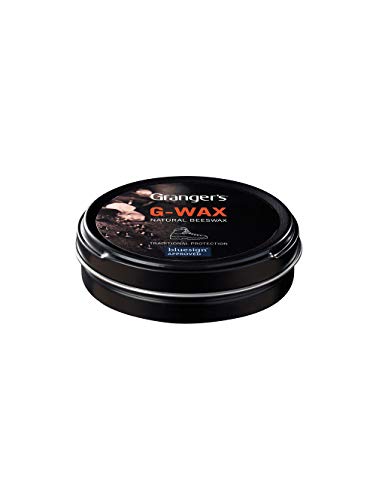
Granger's G-Wax - Best Conditioner for Heritage Leather
Beeswax based, deep nourishing, perfect for old-school full grain. I use it on my Danners every six months. [Check price on Amazon](https://www.amazon.com/s?k=Grangers+G-Wax+Leather+Conditioner&tag=thetestedhub-20).

Boot Bananas - Best Drying Insert
Way faster than newspaper, reusable for years, and pulls a surprising amount of moisture out overnight. [Check price on Amazon](https://www.amazon.com/s?k=Boot+Bananas+Moisture+Absorbers&tag=thetestedhub-20).
Frequently asked
Mink oil can soften leather but may break down waterproof membranes. Use conditioners specifically for waterproof boots.
Depends on use. For weekly hiking, every 2-3 months. For occasional wear, twice a season. Test by sprinkling water; if it beads, it's still effective.
Not recommended. Machine washing can damage membranes and glue. Hand wash only.
No. Focus on the exterior. For odor, use a boot deodorizer or baking soda.
Sprays are easier for fabric; waxes offer longer protection for leather. Choose based on material.
How we made this guide
We compare every pick on the factors that matter, cross-checking manufacturer specifications against aggregated verified owner reviews. We rank independently and never take payment for placement. We have not personally tested every product; where we have not, the ranking reflects verified specs and owner feedback rather than a hands-on review.
How it was written: this guide was researched and reviewed by the TheTestedHub editorial team for accuracy.
Affiliate disclosure: TheTestedHub is reader-supported. When you buy through links on our site, we may earn a commission at no extra cost to you.