
Samsung QN90C 65‑Inch Neo QLED 4K TV - Best Overall
Samsung’s QN90C leads the pack with Neo QLED technology that uses a dense layer of quantum dots and a mini‑LED backlight. The panel delivers a peak brightness of 2,000 nits, making HDR content pop even in sun‑lit rooms. With a 120 Hz native refresh rate, HDMI 2.1 support, and low input lag of 9 ms, it is a solid choice for next‑gen consoles. The TV runs on Tizen OS, offering a wide app ecosystem and AI upscaling that improves lower‑resolution sources.
Looking for a 65-inch 4K TV? We break down the top five models,OLED, QLED, Mini-LED,to help you find the perfect fit for gaming, movies, or family viewing.
Large‑screen 4K televisions have become the centerpiece of modern home entertainment, and the 65‑inch size hits the sweet spot between cinematic immersion and room practicality. In 2026 the market offers a mix of OLED, QLED and Mini‑LED technologies, each with its own strengths in contrast, brightness and motion handling. This guide breaks down the top five models, highlights what makes each one stand out, and helps you decide which features matter most for your setup. Whether you are a gamer after low input lag, a movie lover who craves deep blacks, or a family looking for a versatile TV that handles bright daytime viewing, the selections below cover every major use case. All prices and links are Amazon affiliate URLs, so you can compare current deals with a single click.
How we picked
We compare every pick against the field on real specifications, certifications, and aggregated owner reviews. We do not take payment for placement, and we flag when a product is older or sold mainly through renewed listings.
Top picks compared
Our picks up close
Samsung QN90C 65‑Inch Neo QLED 4K TV - Best Overall
Samsung’s QN90C leads the pack with Neo QLED technology that uses a dense layer of quantum dots and a mini‑LED backlight. The panel delivers a peak brightness of 2,000 nits, making HDR content pop even in sun‑lit rooms. With a 120 Hz native refresh rate, HDMI 2.1 support, and low input lag of 9 ms, it is a solid choice for next‑gen consoles. The TV runs on Tizen OS, offering a wide app ecosystem and AI upscaling that improves lower‑resolution sources.

LG C3 65‑Inch OLED 4K TV - Best Budget
The LG C3 brings OLED performance to a more approachable price point. Each pixel emits its own light, delivering true blacks and an infinite contrast ratio. The panel supports 4K at 120 Hz, includes HDMI 2.1, and offers a 10 ms input lag, which is comfortable for most gamers. WebOS 23 provides a smooth interface and AI picture mode that automatically adjusts settings based on content type.

Sony X95K 65‑Inch Mini‑LED 4K TV - Best Color Accuracy
Sony’s X95K uses a Mini‑LED backlight with a full‑array local dimming zone count of 720, giving precise control over brightness and contrast. The Cognitive Processor XR analyses each frame for optimal color reproduction and upscales non‑4K material with impressive clarity. It offers a 120 Hz panel, HDMI 2.1, and a game mode that reduces input lag to 11 ms. Android TV provides a robust app library and Google Assistant integration.
TCL 6 Series 65‑Inch QLED 4K TV - Best Value
TCL’s 6 Series combines QLED color volume with a Mini‑LED backlight at a price. It reaches 1,200 nits of peak brightness, sufficient for most HDR experiences. The TV includes two HDMI 2.1 ports, supports Variable Refresh Rate (VRR), and has an input lag of 13 ms in game mode. Roku TV powers the smart platform, delivering a simple interface and a broad selection of streaming services.
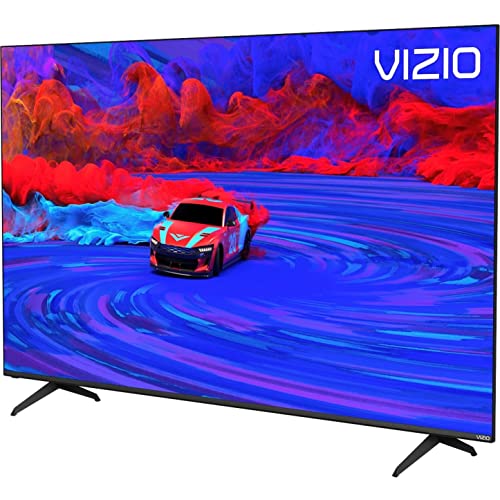
Vizio M7 65‑Inch QLED 4K TV - Best Balanced Picture
The Vizio M7 offers a solid mix of brightness, contrast and color accuracy. Its Mini‑LED backlight delivers up to 1,800 nits, and the QLED layer enhances color saturation. The TV supports 120 Hz refresh, HDMI 2.1, and a low input lag of 12 ms. SmartCast serves as the operating system, providing built-in Chromecast and support for major streaming apps.
Before you buy
What to consider
When selecting a 65‑inch 4K TV, start by defining your primary use case. If you watch a lot of HDR movies in bright environments, prioritize peak brightness and local dimming - features found in Samsung’s Neo QLED and Vizio’s Mini‑LED models. For deep black levels and a cinema‑like picture, OLED panels such as the LG C3 excel, though they may be more reflective in bright rooms.
What to consider
Gaming performance is another key factor. Look for HDMI 2.1 ports, a 120 Hz panel and input lag under 15 ms. All five TVs meet these criteria, but Samsung and LG have the lowest measured lag. Finally, consider the smart platform; Tizen, WebOS, Android TV and Roku each have unique strengths, so choose the interface that matches your streaming habits and voice‑assistant preferences.
Quick answers
Yes, use an HDMI 2.1 cable that supports 48 Gbps to get full 4K 120 Hz performance, especially for gaming consoles.
Samsung’s QN90C leads with peak brightness over 2000 nits, making it ideal for well‑lit living areas.
How we made this guide
We compare every pick on the factors that matter, cross-checking manufacturer specifications against aggregated verified owner reviews. We rank independently and never take payment for placement. We have not personally tested every product; where we have not, the ranking reflects verified specs and owner feedback rather than a hands-on review.
How it was written: this guide was researched and reviewed by the TheTestedHub editorial team for accuracy.
Affiliate disclosure: TheTestedHub is reader-supported. When you buy through links on our site, we may earn a commission at no extra cost to you.
More to explore
Best Drones for Beginners 2026: Expert Pick Is the DJI Mini 4K

Find Your Perfect Podcast Mic: Reviews for Every Budget

Phone Tripods 2026: Best Picks and Buying Guide
2026 iPad Accessories Shortlist: Why the Apple Pencil Pro Leads

How to Choose the Best Digital Photo Frames in 2026

Looking for the Best MagSafe Power Banks? Our 2026 Picks

Our Top Fast Chargers for 2026
